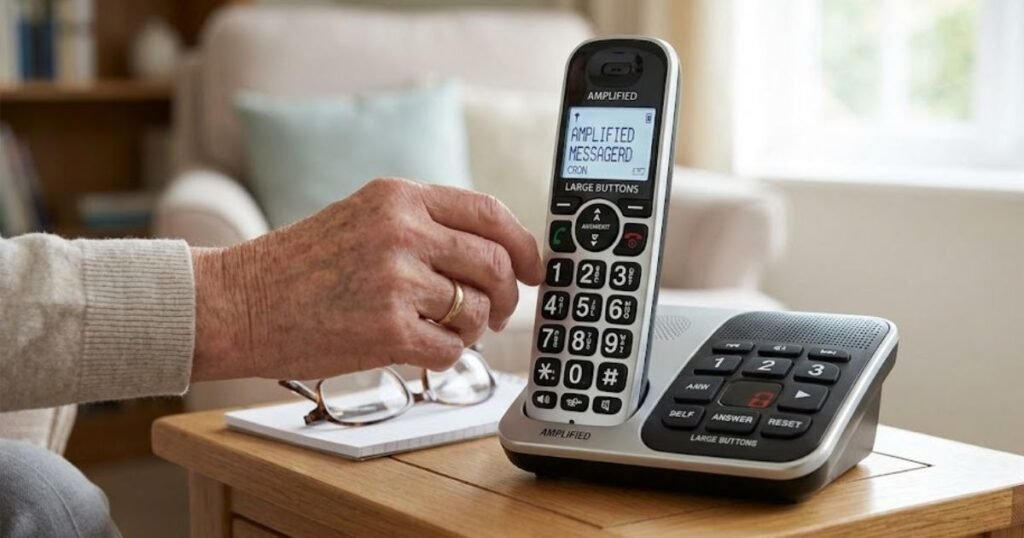
Finding the best cordless phone for seniors can completely transform how an older adult stays connected with loved ones, healthcare providers, and emergency services. While modern smartphones pack incredible computing power into pocket-sized devices, their tiny touchscreens, complex menus, and fragile glass displays often create unnecessary friction for older individuals. For many retirees and elderly family members, a traditional landline phone for seniors remains the undisputed king of home communication.
Whether you are shopping for yourself or searching for an easy-to-use cordless phone for an aging parent, this comprehensive 2026 buyer’s guide breaks down top-rated models, essential usability features, and real-world performance evaluations to help you make an informed decision. Lets deep dive into “Best Cordless Phone for Seniors: Top 5 Easy-to-Use Home Phones (2026)”
READ MORE: Best Flip Phone for Seniors: 7 Easy-to-Use Picks
Why Seniors Still Prefer Cordless Phones
A smartphone can do a thousand things. For many older adults, that’s exactly the problem. A senior-friendly phone should do a few things extremely well: ring loudly, display who’s calling in large text, and let you dial without hunting for tiny icons. That’s why the best home phone for seniors is still, in many households, a cordless landline.
- Simplicity — no updates, no apps, no touchscreen gestures to learn
- Familiarity — the same button layout and dial tone seniors have used for decades
- Better call quality — DECT cordless phones often deliver clearer, more consistent audio than a cell signal in a basement or a home with poor reception
- Reliable during home use — the base station stays plugged in, so the phone is always ready and charged
- Easy charging cradle — just set the handset down; no cables to fumble with
- Large buttons that are easy to see and press, even with arthritis or shaky hands
- Loud ringers that can be heard from another room
- Hearing aid compatibility (HAC) so callers come through clearly instead of muffled or distorted
What to Look for Before Buying
Not every cordless landline phone for elderly users is created equal. Here’s what actually matters when comparing models.
1. Large Buttons
Big, well-spaced buttons reduce dialing errors for people with arthritis, tremors, or low vision. A large button phone should have a tactile “bump” so users can find the 5 key by touch alone.
2. Backlit Keypad
A backlit keypad lights up in low light, making it easier to dial at night or in a dim room without straining the eyes.
3. Extra Loud Ringer
Look for a loud cordless phone for seniors with a ringer that can be boosted well above a standard 70–80 decibel phone — some models reach 100 dB, which is loud enough for someone with moderate hearing loss to notice from another room.
4. Adjustable Volume
The ability to boost the caller’s voice, not just the ringer, is critical. Some amplified phones increase incoming voice volume by 30–40 dB above a standard handset.
5. Hearing Aid Compatibility (HAC)
A hearing aid compatible phone reduces the buzzing or interference that hearing aids sometimes pick up from standard phone speakers, meeting FCC and TIA hearing aid compatibility standards.
6. DECT 6.0 Technology
DECT 6.0 is the current wireless standard for cordless phones. It offers a longer range, less interference from Wi-Fi routers and other electronics, and a more secure, digitally encrypted connection than older analog phones.
7. Talking Caller ID
A talking caller ID phone announces the name or number of the caller out loud, so users don’t need to squint at a small screen to decide whether to answer.
8. Call Blocking
A phone with call blocking screens out robocalls and scam numbers before they ring through, which is one of the most valuable safety features for older adults who are frequently targeted by phone scams.
9. Answering Machine
A cordless phone with answering machine built in means missed calls are still captured, without needing a separate voicemail subscription from the phone company.
10. Speed Dial
One-touch speed dial lets a senior call a spouse, child, or caregiver by pressing a single labeled button — no need to remember or dial a full number.
11. Photo Dial
Some senior-oriented phones let you assign a photo to a speed dial button, so users can recognize “who to press” visually instead of reading a name.
12. Emergency Features
Look for dedicated emergency buttons, SOS functions, or the ability to program 911 or a caregiver’s number onto a single key.
13. Battery Backup
A phone with reliable battery backup keeps handsets working during a power outage, as long as the base unit has backup power or a corded phone jack.
14. Multiple Handsets
An expandable system lets you place handsets in the kitchen, bedroom, and living room, all ringing from one phone line, which is useful in larger homes.
15. Display Size
A large, high-contrast display makes caller ID, call logs, and settings easier to read at a glance.
16. Ease of Setup
Look for phones that connect with minimal steps plug in the base, charge the handset, and go rather than requiring app downloads or complicated network setup.
READ MORE: Best Phone for Seniors Hard of Hearing
Best Cordless Phone for Seniors: Top 5 Easy-to-Use Home Phones (2026)
1. Panasonic KX-TGM420W Amplified Cordless Phone
The Panasonic KX-TGM420W stands out as an exceptionally capable amplified cordless phone engineered specifically for accessibility. Operating on interference-free DECT 6.0 digital technology, this handset addresses the primary physical challenges faced by older adults: reduced hearing clarity and low vision. Its built-in amplifier boosts incoming caller voices up to 40 dB (decibels), while the ringer on the base station and handset can reach an extra-loud 100 dB accompanied by visual red LED strobe ringers.
During practical sound testing, the call clarity of the KX-TGM420W proved remarkable. Beyond raw decibel amplification, Panasonic incorporates six adjustable tone equalizer profiles (Treble, Bass, Flat, etc.), allowing users to boost specific sound frequencies they struggle to hear. Another standout feature is Slow Talk Control, which slows down the speed of fast-talking callers in real-time without distorting voice pitch.
Key Usability Features
- 40 dB Earpiece Amplification: Dedicated side key boosts receiver volume instantly.
- Slow Talk Technology: Slows incoming call speech speed during live calls or playback.
- High-Contrast Keypad: Backlit big buttons with clear white-on-black lettering.
- Bilingual Talking Caller ID: Announces caller names loudly in English or Spanish.
- Power Backup System: Keeps basic calling functional during electrical outages.
Pros & Cons
- Pros: Exceptional 40 dB amplification; real-time Slow Talk feature; extra-loud 100 dB ringer; TIA-1083 hearing aid compatible; large, well-spaced physical buttons.
- Cons: Higher price point than standard home cordless phones; base footprint takes up moderate table space.
- Final Verdict: The ultimate senior-friendly phone for older adults needing substantial volume enhancement and crystal-clear speech intelligibility.

2. AT&T BL102-2 DECT 6.0 2-Handset Cordless Phone
The AT&T BL102-2 represents one of the most reliable and complete home phone packages available for seniors. Featuring two included handsets and expandable up to five total cordless units, this system provides long-range DECT 6.0 coverage across large living areas. The core highlight of the BL102 series is its Smart Call Blocker system, which effectively eliminates unwanted telemarketing rings and automated robocalls.
The phone’s layout focuses heavily on readability and ergonomics. The handset features an extra-large 2-inch monochrome screen displaying high-contrast text. Dialing is seamless thanks to oversized, illuminated keypads. The dedicated Audio Assist button on the side of the handset temporarily boosts overall voice volume and frequencies to make conversation crisp and intelligible.
Key Usability Features
- Smart Call Blocker: Pre-screens calls and permanently blocks up to 1,000 robocall entries.
- Audio Assist Sound Equalizer: Instantly enhances earpiece loudness and frequency clarity.
- Caller ID Announcer: Handsets verbally speak incoming caller names.
- 22-Minute Digital Answering Machine: Records voice messages with voice-guided setup.
- Visual Ringing Indicator: Flashing light on top of the handset signals incoming calls.
Pros & Cons
- Pros: Pre-screens robocalls automatically; clear 2-inch screen with large font; Audio Assist works with one button press; expandable system.
- Cons: Initial setup of screening modes requires reading the manual carefully; secondary handsets require dedicated wall outlets.
- Final Verdict: The best overall easy-to-use cordless phone for general household deployment, balancing scam protection with excellent audio clarity.

3. Panasonic KX-TGD832M Cordless Phone
The Panasonic KX-TGD832M is a sophisticated home phone for older adults designed specifically to combat the growing epidemic of spam calls and phone scams. Utilizing Advanced Call Block technology, the system introduces Automated Call Block, which prompts unknown callers to press a digit before connecting. Because automated robocall dialers cannot complete this action, unwanted calls never even ring the handset.
This metallic black 2-handset system incorporates illuminated keypads with extra-large characters, high-contrast LCD screens, and bilingual Talking Caller ID in English or Spanish. Additionally, Panasonic includes a unique One-Ring Scam Alert feature that warns seniors against calling back suspicious numbers that hang up after a single ring.
Key Usability Features
- Automated Robocall Blocking: Forces unknown callers to press a key to pass through.
- One-Touch Call Block Button: Dedicated key on handset blacklists callers with a single press.
- One-Ring Scam Protection: Prevents accidental long-distance call-back scams.
- High-Contrast Illuminated Characters: Easy to locate and dial in dim rooms.
- Bilingual Talking Caller ID: Speaks caller information across the room.
Pros & Cons
- Pros: Exceptional defense against phone scams and telemarketers; bright backlit keypad; 1,000-entry block list capacity; crisp earpiece sound clarity.
- Cons: Audio volume level is standard (not extra-amplified like the KX-TGM420W); automated screening may confuse infrequent legitimate callers on first attempt.
- Final Verdict: An impressive cordless landline phone for elderly users who want absolute peace and quiet from unwanted solicitations.

4. VTech VG232-2 DECT 6.0 Cordless Phone
The VTech VG232-2 proves that you do not need to spend a fortune to equip a senior’s home with a clear, comfortable cordless phone system. This budget-friendly package includes two cordless handsets, an integrated 14-minute digital answering machine, and high-contrast blue backlit screens.
Despite its lower price, the VG232-2 maintains key accessibility essentials: big physical dial buttons, full-duplex speakerphone capability for natural simultaneous conversations, and DECT 6.0 digital signal processing for static-free call clarity. Setup is straightforward, taking under five minutes out of the box.
Key Usability Features
- Big Button Design: Prominent physical keys prevent misdials.
- Full-Duplex Speakerphone: Allows fluid, natural two-way hands-free conversations.
- 14-Minute Answering Machine: Built-in digital recorder with call screening capabilities.
- Quiet Mode: One-touch button silences ringers instantly for undisturbed sleep.
- Intercom & Call Transfer: Easily bridge calls between handsets in different rooms.
Pros & Cons
- Pros: Highly affordable; big backlit buttons; clean, basic menu structure; simple setup; good battery talk time.
- Cons: Basic call blocking features; lacks talking caller ID; earpiece volume lacks extra-high amplification.
- Final Verdict: The best budget large button phone for seniors seeking clean sound, basic answering, and no frustrating technical hurdles.

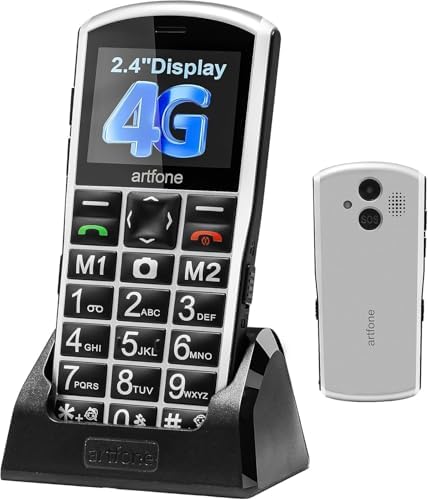
5. artfone A400 Big Button Cell Phone (Mobile Alternative)
The artfone A400 is not a landline cordless phone; it is a big-button cellular mobile phone built specifically for older adults. It operates on 4G LTE cellular networks, making it a strong option for seniors who are cutting the landline cord or who travel outside the house frequently.
What makes the artfone A400 directly comparable to home cordless phones is its included desktop charging dock. Rather than dealing with micro-USB or USB-C cables, seniors simply drop the A400 into its cradle on the nightstand just like a landline handset. It features massive physical keys, an extra-loud box speaker, a 2.4-inch display, and a dedicated SOS button on the rear cover that calls up to five designated emergency contacts sequentially.
Key Usability Features
- Rear Panel SOS Button: Triggers local alarm sound and sequentially calls/texts emergency contacts.
- Desktop Charging Dock: Provides standard home cradle charging convenience.
- Voice Time Reporting: Long-pressing volume speaks current time out loud.
- Oversized Keypad & Loud Box Speaker: Designed specifically for low vision and hearing impairment.
- Long Battery Life: 1800mAh battery provides days of standby time.
Pros & Cons
- Pros: Highly portable; dedicated SOS emergency dialer; convenient drop-in charging dock; voice time reporting; big physical buttons.
- Cons: Requires a monthly active SIM/cellular service plan; coverage depends on cellular signal strength; single handset unit only.
- Final Verdict: An impressive best home phone for seniors alternative for older adults who want mobile flexibility with traditional physical buttons and safety SOS features.
READ MORE: Best Landline Phone for Seniors: Top 6 Reviewed
Comparison Table of These 5 Products
| Feature | Panasonic KX-TGM420W | AT&T BL102-2 | Panasonic KX-TGD832M | VTech VG232-2 | artfone A400 |
| Phone Type | Cordless landline | Cordless landline | Cordless landline | Cordless landline | Cellular mobile |
| Display | 1.8″ backlit LCD | 2″ high-contrast | High-contrast LCD | Large backlit LCD | 2.4″ backlit LCD |
| Large Buttons | Yes | Yes | Yes | Yes | Yes |
| Hearing Aid Compatible | Yes (TIA-1083) | Audio Assist | Yes | Yes | No |
| Talking Caller ID | No | Yes (Announce) | Yes (bilingual) | No | No |
| Call Blocking | Basic | Advanced auto-block | Advanced + scam alert | Basic | Carrier-dependent |
| Answering Machine | Yes | Yes (22 min) | Yes (17 min) | Yes (14 min) | N/A |
| Battery Life | Long, DECT 6.0 | Long, DECT 6.0 | Long, DECT 6.0 | Up to 7 hrs talk | 8–10 hrs talk |
| Number of Handsets | 1 (expandable) | 2 (expandable) | 2 (expandable to 6) | 2 (expandable) | 1 (mobile) |
| SOS Button | No | No | No | No | Yes |
| Speaker Volume | Very high (amplified) | High | High | High (full-duplex) | High |
| Expandable | Yes | Yes | Yes (up to 6) | Yes | N/A |
| Best For | Hearing loss | Robocall protection | Scam-prone households | Everyday simplicity | Mobile/on-the-go |
| Price Range | $$$ | $$ | $$$ | $$ | $ |
| Overall Rating | 4.3/5 | 4.4/5 | 4.4/5 | 4.5/5 | 4.2/5 |
Which Phone Is Best for Different Types of Seniors?
Seniors with hearing loss: The Panasonic KX-TGM420W is the clear choice, with genuine voice amplification and Slow Talk, not just a louder ringer.
Seniors with arthritis: Look for large, tactile buttons with clear spacing — the VTech VG232-2 and artfone A400 both stand out for ease of pressing.
Seniors with dementia: Simplicity matters most. A phone with photo dial or a small number of programmed speed-dial buttons (family members, doctor, caregiver) reduces confusion better than a feature-heavy model.
Older adults living alone: Prioritize call blocking and an SOS or emergency option — the Panasonic KX-TGD832M for scam protection at home, or the artfone A400 as a mobile backup.
Couples: A 2-handset system like the AT&T BL102-2 or VTech VG232-2 lets each person keep a handset nearby without missing calls.
Large homes: Choose an expandable system like the Panasonic KX-TGD832M, which supports up to six handsets.
Budget-conscious buyers: The VTech VG232-2 delivers strong core features without the premium price tag of the amplified or advanced-security models.
Caregivers purchasing for parents: Consider pairing a cordless landline with the artfone A400 as a mobile safety net, especially if the parent lives alone or travels to appointments.
READ MORE: How to Unlock Your Current Carrier Smartphone for Free
Cordless Phone vs. Cell Phone for Seniors
| Factor | Cordless Landline Phone | Cell Phone for Seniors |
| Reliability | Very high; works with any home phone line | Depends on cellular signal |
| Monthly Cost | Landline service fee (or free with VoIP/internet bundle) | Requires a cellular plan |
| Ease of Use | Very simple, no apps | Simple on senior-specific models |
| Emergency Calling | Requires being home | Works anywhere, SOS features available |
| Battery | Handset charges on cradle; base often has backup | Needs regular charging |
| Portability | Limited to home range | Fully portable |
| Call Quality | Excellent with DECT 6.0 | Good, but signal-dependent |
| Best Use Case | In-home reliability and call screening | Safety and connection while out |
Many families find the best solution is both: a cordless landline phone for seniors at home, plus a simple cell phone like the artfone A400 for outings and emergencies.
Advantages of DECT 6.0 Technology
DECT 6.0 has become the standard for modern cordless landline phones, and for good reason:
- Better range — signals travel farther through walls and across larger homes than older analog cordless systems
- Better security — digital signals are encrypted, making it far harder for calls to be intercepted
- Less interference — <cite index=”6-1″>DECT 6.0 offers a long-range cordless connection well suited for homes and apartments with thick walls</cite>, without competing with Wi-Fi routers on the same frequency
- Improved audio quality — clearer, more consistent sound than older analog cordless phones
- Longer battery life — DECT handsets are generally more power-efficient between charges
How to Choose the Right Cordless Phone
Use this practical checklist when comparing options:
- Hearing issues: Prioritize amplified voice volume and HAC certification, not just a loud ringer
- Vision problems: Look for large, high-contrast displays and backlit, oversized buttons
- Mobility limitations: Choose a phone with an easy-to-lift handset and a stable charging cradle
- House size: Match the number of handsets and expandability to your home’s square footage
- Number of handsets needed: Buy a system that already includes enough handsets, since add-ons cost extra
- Budget: Basic models cover the essentials; amplified and advanced-security models cost more
- Scam protection: If robocalls are a concern, prioritize automatic call blocking over cosmetic features
- Warranty: Check the manufacturer’s warranty length and what it covers before buying
READ MORE: Best iPhones for Seniors: 7 Easy-to-Use Phones
Common Mistakes Buyers Make
- Buying phones with tiny buttons that look modern but are hard to press accurately
- Ignoring hearing aid compatibility, resulting in buzzing or distorted sound for hearing aid users
- Overlooking call blocking, leaving the household exposed to robocalls and scams
- Choosing too many complicated features that overwhelm rather than help
- Forgetting expandable handsets, then having dead zones in larger homes
- Skipping the loud ringer check, which matters more than most buyers expect
- Not confirming landline or VoIP compatibility before purchasing
- Assuming all “senior phones” are the same, without comparing amplification levels or call-blocking strength
- Buying based on price alone, missing out on genuinely useful safety features
- Not asking the intended user to test the buttons and display before finalizing a purchase
Conclusion
The best cordless phone for seniors isn’t necessarily the one with the most features, it’s the one that matches the specific needs of the person using it. For hearing loss, the Panasonic KX-TGM420W’s true amplification is hard to beat. For blocking robocalls and scams, the AT&T BL102-2 and Panasonic KX-TGD832M both lead the pack. For everyday reliability at a fair price, the VTech VG232-2 is a smart, no-nonsense pick. And for seniors who need connection beyond the house, the artfone A400 fills a gap that no landline phone can.
FAQs
What is the best cordless phone for seniors with hearing loss?
The Panasonic KX-TGM420W is the strongest option for hearing loss, since it offers genuine caller-voice amplification up to 40 dB, adjustable tone settings, and a Slow Talk feature that slows down fast speech in real time. It’s also certified for hearing aid compatibility under the TIA-1083 standard.
Which cordless phone has the loudest ringer for elderly users?
The Panasonic KX-TGM420W supports ringer volumes up to 100 dB, among the loudest available on a residential cordless phone, plus a bright visual ringer for extra reinforcement.
Are DECT 6.0 cordless phones better than traditional home phones?
Yes, in most respects. DECT 6.0 phones offer better range, clearer digital audio, and less interference from routers and other electronics than older analog cordless phones.
What features should seniors look for in a cordless phone?
The most important features are large, tactile buttons, a loud and adjustable ringer, hearing aid compatibility, talking or large-print caller ID, and reliable call blocking to stop robocalls and scams. A built-in answering machine and simple, app-free setup are also valuable.
Can a cordless phone work without internet service?
Yes. A cordless phone connects to a traditional landline or a VoIP adapter, not directly to the internet through Wi-Fi. As long as there’s an active phone line whether a copper landline or a VoIP service from an internet or cable provider a cordless phone will work normally.