Utility bills can be a heavy burden for older adults, especially for seniors living on a fixed income. When rent, food, medicine, and other daily needs already take up most of a monthly budget, even a small increase in electric, gas, water, or heating costs can create serious stress.
That is why many people search for senior utility assistance grants. The phrase is often used to describe a range of real help options that can reduce or cover home utility costs. In many cases, these programs are not called “grants” in a strict legal sense. Instead, they may be bill payment help, emergency aid, nonprofit support, or home energy assistance.
The good news is that older adults in the USA may be able to find support through federal programs, state and local agencies, utility company programs, and community nonprofits. Some programs help with heat in winter. Others help with cooling in summer, water bills, or even home weatherization that lowers future costs.
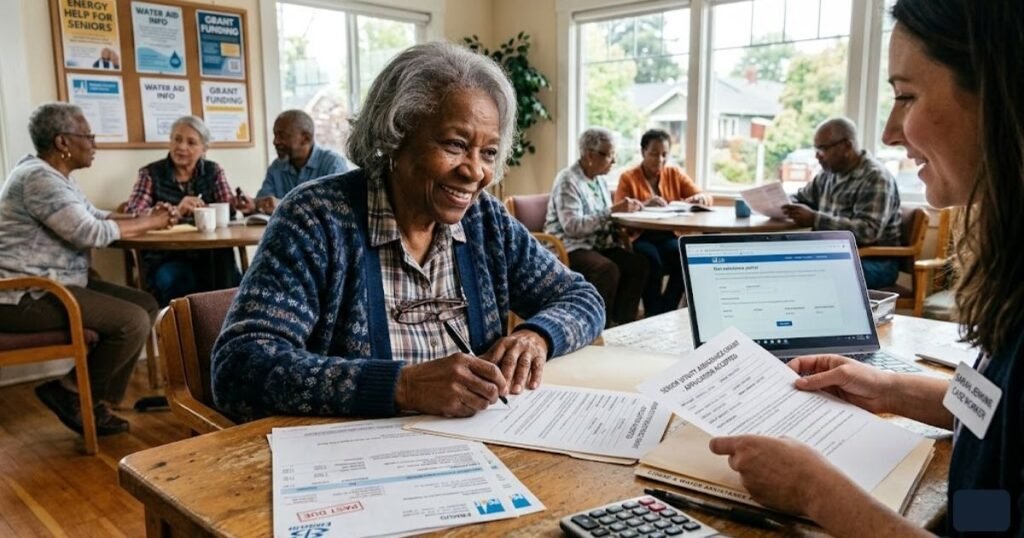
This guide explains what kinds of utility assistance for seniors are available, who may qualify, how to apply, where to look for trusted help, and how to avoid scams. Lets deep dive into “Senior Utility Assistance Grants: Help With Bills for Older Adults”
READ MORE: How to Apply for SNAP Benefits as a Low-Income Older Adult
What Are Senior Utility Assistance Grants?
The term senior utility assistance grants usually refers to different types of financial help that can reduce the cost of essential household utilities. A senior might use this phrase to search for help with a power bill, a gas bill, a water bill, or heating costs during winter.
These programs may include:
- Bill payment assistance
- Emergency energy aid
- Heating and cooling support
- Water bill relief
- Weatherization help
- One-time nonprofit grants or emergency funds
Some programs help prevent shutoff. Others reduce future bills by making a home more energy efficient. In many cases, seniors may qualify based on income, age, disability, household size, or a medical need for heat, air conditioning, or equipment that uses electricity.
The main idea is simple: older adults should not have to choose between staying warm, staying cool, and paying for other basic needs.
Main Types of Utility Assistance Available in the USA
There is no single program that covers every bill for every senior. Instead, older adults may need to combine several types of help. The most common options are listed below.
1. LIHEAP
LIHEAP stands for the Low Income Home Energy Assistance Program. It is one of the best-known sources of senior energy assistance in the United States.
LIHEAP is designed to help low-income households pay heating and cooling costs. In some places, it can also help with energy crisis situations, such as when a shutoff notice has arrived or the household is close to losing service.
LIHEAP may help with:
- Heating bills
- Cooling bills
- Emergency energy bills
- In some cases, furnace repair or replacement
Because LIHEAP is run through states and local agencies, the exact rules can vary by location. That means a senior in one state may receive different help than a senior in another. Still, it remains one of the most important programs for help with utility bills for seniors.
2. Weatherization Assistance Program (WAP)
Weatherization help is not direct bill payment, but it can save money over time. Through weatherization programs, a home may receive improvements that reduce energy loss and make heating and cooling more efficient.
Examples may include:
- Sealing drafts around windows and doors
- Adding insulation
- Repairing leaks that let air escape
- Improving heating system efficiency
This type of support can lower future electric or gas bills. For seniors who live in older homes, weatherization can make a noticeable difference in comfort and cost.
3. Local Energy Assistance Programs
Many states, counties, cities, and local agencies run their own utility support programs. These may be separate from LIHEAP or may work alongside it.
Local programs often provide:
- Emergency bill help
- Payment assistance
- Shutoff prevention support
- Heating bill help for seniors
- Special help during cold or hot weather emergencies
Because these programs are local, they may have different application rules and deadlines. Some may give help faster than larger programs, which is useful when a utility shutoff is near.
4. Water Bill Assistance
Water bills can also become difficult to manage, especially when a senior household has a fixed monthly income. In some communities, there are water bill assistance programs through local government, utility companies, or nonprofit organizations.
This help may cover:
- Water bills
- Sewer bills
- Past-due balances
- Emergency payment support
Not every area offers this type of program, but it is worth asking about. Some seniors overlook water bill help because they assume only electric and gas assistance exists.
5. Emergency Utility Grants
Some older adults need immediate help because they have received a shutoff notice or are already behind on payments. In those cases, local charities, churches, community groups, and nonprofits may offer emergency aid.
This type of bill assistance for older adults may be one-time support meant to keep service connected while a household gets back on its feet. It may not be large, but even a small payment can help prevent a shutoff or reduce the amount owed.
6. Senior-Specific Help
Some agencies give priority to older adults, disabled residents, or medically fragile households. These groups may be more vulnerable to dangerous indoor temperatures, especially during winter cold or summer heat.
A senior may qualify for special consideration if they:
- Are age 60 or older
- Live with a disability
- Need medical equipment that uses electricity
- Have a condition that makes heating or cooling more important
This can be especially helpful for seniors who need reliable power for oxygen machines, refrigerated medicine, or temperature-sensitive health needs.
READ MORE: $3000 Senior Assistance Program Application
Who May Qualify for Senior Utility Assistance Grants?
Eligibility rules vary by program, but common factors often include income, household size, age, and need. Many programs are built to help low-income households, and some give special priority to seniors.
When evaluating an application for low-income senior utility help, program administrators generally look at a few core factors:
- Age: Many senior-specific protections and enhanced benefit Tiers unlock when a household member reaches age 60 or 65.
- Income Level: Federal programs like LIHEAP typically require household income to be at or below 150% of the Federal Poverty Level, or 60% of their state’s median income level.
- Household Size: The total number of people living in the home changes the allowable income threshold. A larger household is allowed to have a higher total income.
- Disability Status: If an older adult receives disability benefits, they may unlock higher priority or higher grant amounts.
- Categorical Eligibility: In many states, if you already receive help from other public programs like Social Security Income (SSI), Supplemental Nutrition Assistance Program (SNAP/Food Stamps), or Medicaid, you may automatically qualify for utility help.
- Proof of Hardship: Presenting an official past-due notice or an impending shutoff letter from your utility company demonstrating an urgent need.
- Medical Necessity: A signed letter from a doctor stating that an occupant requires uninterrupted electricity to operate medical devices (like oxygen concentrators or dialysis machines) or requires precise temperature control to manage a chronic illness.
Before You Apply: Documents to Gather
Having papers ready can make the process much easier. Many seniors and caregivers find it helpful to collect documents before starting an application.
Common documents may include:
- Photo ID
- Recent utility bill
- Proof of income
- Social Security award letter
- Lease or proof of residence
- Household information
- Medical documentation, if requested
Keeping everything in one folder can save time and reduce stress, especially if you need to apply quickly.
READ MORE: Senior Farmers Market Vouchers: Eligibility, Benefits, and How to Apply
How Seniors Can Apply for Utility Help
The application process is usually manageable when broken into simple steps. A caregiver, family member, or trusted helper can also assist with forms and paperwork.
Step 1: Gather Bills and Income Documents
Start with the most recent utility bills, proof of income, and any letters showing benefits such as Social Security or SSI. If the household has received a shutoff notice, keep that letter too.
Step 2: Check State or Local Assistance Offices
Look for programs in your state or county. Many states have human services offices or energy assistance pages that explain how to apply.
Step 3: Contact the Local Community Action Agency
Community Action Agencies often help people apply for energy aid, emergency support, and related programs. They can also explain what documents are needed.
Step 4: Ask the Utility Company About Hardship Programs
Many utility companies have their own customer assistance programs, payment plans, or budget billing options. Do not wait until the bill becomes overwhelming. Call early and ask what help is available.
Step 5: Complete the Application Carefully
Fill out every section fully and accurately. Missing information can slow down approval or lead to denial.
Step 6: Follow Up Before the Shutoff Date
If service is at risk, follow up quickly. Ask whether the application is complete, whether more documents are needed, and whether emergency review is possible.
Step 7: Keep Copies of Everything
Always keep copies of forms, utility letters, emails, and receipts. This can help if there is a problem later.
Many programs have limited funding, so early application matters. Waiting too long can make it harder to receive help before the bill becomes urgent.
READ MORE: Difference Between Medicare and Medicaid Coverage
Where Seniors Can Find Real Help
Knowing where to turn can save you hours of frustration. When looking for legitimate assistance, always rely on verified public and nonprofit resources. Here is a directory of trusted places to look for genuine assistance:
State Human Services Departments
Your state’s official website or local Department of Health and Human Services is the primary gateway for federal programs like LIHEAP and WAP. They provide clear directions on which local office handles your specific zip code.
Local Community Action Agencies
These are private or public non-profit organizations created by the government to combat poverty at a local level. They are usually the specific entities that sit down with you, review your paperwork, and distribute energy assistance funds directly into your community.
Area Agencies on Aging (AAA)
The Area Agency on Aging is an incredible network dedicated entirely to supporting older adults. They can help you fill out utility applications, check for senior discounts, and connect you with other helpful programs like Meals on Wheels or medication assistance plans. You can find your local AAA by using the online federal Eldercare Locator or calling 1-800-677-1116.
Utility Company Customer Assistance Departments
Never be afraid to call your utility company directly. Almost all major providers have specialized internal hardship programs, flexible payment arrangements, or lower rates for senior citizens. Many also run “neighbor-to-neighbor” funds, which are fueled by voluntary donations from other customers to help seniors in times of crisis.
Local 211 Services
If you don’t know where to start, simply pick up your telephone and dial 2-1-1 (or visit 211.org online). This is a free, confidential information and referral service that connects people to essential health and human services in their community, including local utility assistance resources, food pantries, and housing support.
Tips to Lower Utility Bills Right Away
While waiting for assistance, small changes can help reduce monthly costs. These ideas will not solve every problem, but they can make bills more manageable.
Try these practical steps:
- Use energy-saving light bulbs
- Unplug unused electronics
- Lower the thermostat safely
- Check for drafts around windows and doors
- Use fans wisely
- Wash clothes in cold water when possible
- Ask about budget billing or payment plans
Even simple habits can help over time. It is also wise to remind seniors to stay safe. For example, lowering heat too much in winter or using cooling equipment improperly can create health risks. Comfort and safety should always come first.
READ MORE: Best Smart Pill Dispensers for Medication for Seniors
Common Mistakes to Avoid
Many people lose time or miss help because of avoidable errors. Here are a few common mistakes to watch for:
- Waiting too long to apply
- Ignoring shutoff notices
- Sending incomplete paperwork
- Paying unknown “application fee” offers
- Sharing sensitive information with unverified websites
- Assuming one denial means all programs are unavailable
A denial from one program does not always mean no help is possible. Another agency, another funding source, or another month may bring a different result.
How to Avoid Utility Assistance Scams
Unfortunately, people in financial stress are often targeted by scams. That is why seniors and caregivers should be careful when searching for government help for senior bills or emergency aid online.
Red flags include:
- Promises of guaranteed approval
- Requests for upfront payment
- Pressure to act immediately
- Fake government logos
- Unofficial websites asking for sensitive data
A real program will usually not promise approval before reviewing the application. It should also not demand a strange fee to “unlock” assistance. When in doubt, use official state, local, or utility company sources.
If a website or caller seems suspicious, stop and verify the organization through another trusted source before sharing personal information.
READ MORE: Salvation Army Free Car Program (Eligibility & How to Apply)
What to Do If an Application Is Denied
Receiving a denial letter can feel incredibly discouraging, but it does not mean you have run out of options. Take a deep breath and use the following steps to evaluate your next move:
- Read the Denial Reason Carefully: Agencies are legally required to tell you exactly why your application was turned down. Common reasons include missing a specific document, a mathematical error regarding your household size, or exceeding the income threshold.
- Appeal the Decision: If you believe the agency made an error in calculating your fixed income or missed a piece of paper you submitted, you have a legal right to request a formal review or file an appeal. The instructions on how to do this are typically printed right on the back of your denial letter.
- Correct and Reapply: If you were denied simply because a signature was missing or a utility bill copy was blurry, contact the caseworker immediately. They will often allow you to submit the corrected item without making you start the entire process over from scratch.
- Pivot to Alternative Programs: If your income genuinely exceeds federal LIHEAP limits, immediately reach out to local non-profit groups, religious charities, or your utility provider’s internal hardship program. These alternative options often use entirely different guidelines and are happier to assist households stuck in the middle.
- Request a Standard Payment Arrangement: Call your utility company’s billing department and ask to be placed on a deferred payment agreement. This plan allows you to split your past-due balance into smaller, manageable portions that you pay off slowly over several months alongside your regular bill, keeping your service active.
A Short Checklist Before You Apply
Here is a simple checklist that can help older adults and caregivers stay organized:
- Gather recent bills
- Collect proof of income
- Find ID and proof of address
- Check for shutoff notices
- Contact the utility company
- Call Community Action or 211
- Submit the application early
- Keep copies of every document
READ MORE: Best Budget TVs for Older Adults: Easy, Comfortable, and Senior-Friendly Picks
Final Takeaway
Senior utility assistance grants and related support programs can help older adults in the USA manage electric, gas, water, and heating bills. While the phrase “grant” is often used broadly, the real help may come through LIHEAP, local aid, weatherization programs, utility company assistance, or nonprofit emergency support.
For many seniors, this help can mean more than lower bills. It can mean safer living conditions, less stress, and the ability to stay in the home they know and love.
The best approach is to act early, keep documents ready, and check more than one source of help. If one program is full or unavailable, another may still be open. Use trusted local and official resources, watch for scams, and reach out before the problem becomes an emergency.
Frequently Asked Questions
What are senior utility assistance grants and how do they work?
Senior utility assistance grants are a general term for programs that help older adults pay utility bills or reduce energy costs. They may include bill payment help, emergency aid, weatherization support, or nonprofit assistance. Many programs are based on income, age, household size, or medical need.
Who qualifies for utility assistance for seniors in the USA?l
lllQualification usually depends on income, household size, age, disability status, and whether the person receives benefits like Social Security, SSI, or SNAP. Some programs also help households facing shutoff notices or medical needs that require reliable heating, cooling, or electricity.
How can older adults get help with electric, gas, and water bills?
Older adults can start by contacting their state human services office, Community Action Agency, utility company, or 211. These sources can explain available programs and help with applications. Some communities also have water bill assistance through local government or nonprofits.
Where can seniors apply for emergency utility bill help?
Emergency help may be available through local charities, faith-based groups, nonprofit agencies, utility hardship programs, and state energy assistance offices. Seniors should apply as soon as they receive a shutoff notice or realize they may not be able to pay on time.
Are there government programs that help seniors pay utility bills?
Yes. The best-known federal program is LIHEAP, which helps with heating and cooling costs. Some areas also offer weatherization support and state or local emergency aid. Availability depends on where the senior lives and how much funding is open.