Imagine an 82-year-old retiree living alone in a quiet suburban home. Cooking a full, balanced dinner every night has gradually become difficult due to arthritis, and driving to the grocery store on busy roads is stressful. Or consider a devoted daughter caring for her 78-year-old father, doing her best to juggle her job while worrying about whether he is eating enough nutritious food during the day.
Scenarios like these are far more common than many people realize. As we age, changes in mobility, fixed retirement incomes, health conditions, or the loss of a spouse can turn day-to-day meal preparation into a major challenge.
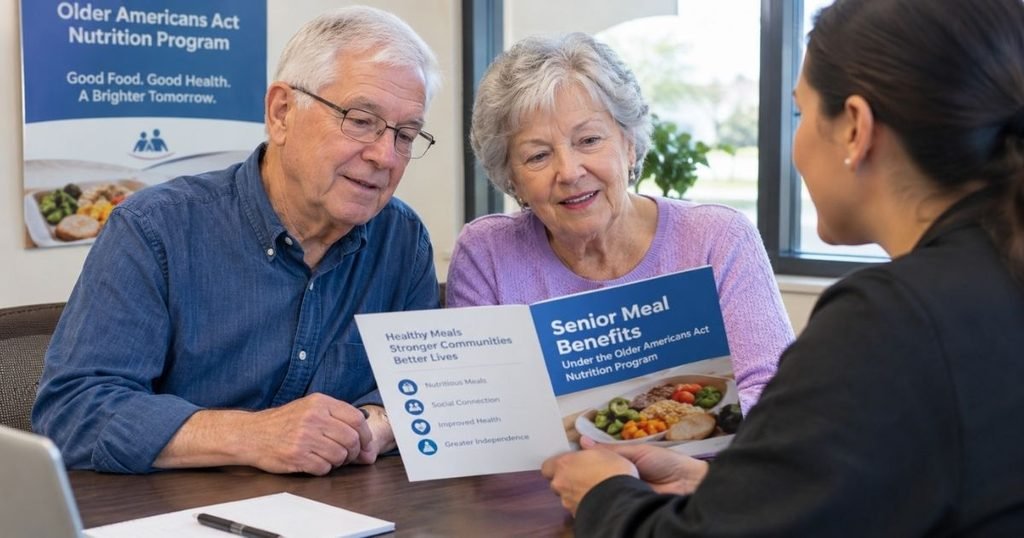
That is where the Older Americans Act Nutrition Program comes in. Established under federal law, this vital initiative provides nutritious meals, warm social connections, and essential wellness support to hundreds of thousands of older adults across the United States. Lets deep dive into “Older Americans Act Nutrition Program: Meals & Eligibility”
What Is the Older Americans Act Nutrition Program?
The Older Americans Act Nutrition Program (often referred to as the OAA nutrition program or senior nutrition program) is a foundational federal initiative designed to promote health, well-being, and independence for older adults.
Originally enacted by Congress in 1965, the Older Americans Act (OAA) established a national support system for older citizens. In 1972, Congress formally amended the Act to create a dedicated national senior nutrition program, recognizing that adequate nutrition is indispensable to healthy aging and independent living.
Today, federal oversight of the program is managed by the Administration for Community Living (ACL) and its Administration on Aging (AoA) within the U.S. Department of Health and Human Services (HHS).
How Funding Reaches Your Community
It is helpful to understand that the federal government does not issue a single nationwide “free meal card” or operate a centralized cafeteria network. Instead, federal funding flows through a structured network:
- Federal Allocations: ACL distributes grant funds to State Units on Aging.
- Regional Planning: States pass funds to regional bodies known as Area Agencies on Aging (AAAs).
- Local Delivery: AAAs partner with local community organizations, senior centers, faith-based groups, and nonprofit service providers to prepare and serve meals.
According to the ACL, this national network serves nearly one million meals every single day through approximately 5,000 local providers. Because services are tailored to fit local populations, specific menus, operating hours, delivery schedules, and local intake procedures naturally vary from one county or community to another.
READ MORE: How to Claim Supplemental Nutrition Assistance Program
What Does the Older Americans Act Nutrition Program Provide?
Many people assume the program only provides a basic plate of food. In reality, Older Americans Act Title III-C programs deliver a comprehensive array of health and social services designed to support the whole person.
Core Services Offered Under Title III-C
- Congregate Meals: Balanced lunches or breakfasts served in group settings like senior centers, community centers, faith-based facilities, or local housing complexes.
- Home-Delivered Meals: Nutritious meals brought directly to the homes of older adults who face challenges shopping or preparing meals independently.
- Nutrition Education: Practical guidance on managing dietary needs, reading food labels, understanding sodium limits, and eating well on a budget.
- Nutrition Counseling: Individualized advice provided by registered dietitians or qualified nutrition professionals for seniors managing specific chronic conditions like diabetes or heart disease.
- Nutrition Screening: Routine health screenings to identify nutritional risks, sudden weight changes, or dietary deficiencies early.
- Social Connections & Wellness Checks: Friendly interaction during group activities or during home visits by delivery drivers, offering peace of mind to seniors and families alike.
- Referrals to Community Services: Connections to local transportation, caregiver support, home healthcare, fall-prevention programs, or home modification resources.
Who Is Eligible for the Older Americans Act Nutrition Program?
Eligibility rules for OAA Title III-C programs are designed to be accessible, but they differ significantly from standard welfare programs.
Key Eligibility Guidelines
- Age Threshold: Primary eligibility begins at age 60.
- Spouses: The spouse of an eligible individual aged 60 or older may also participate, regardless of their own age.
- People with Disabilities: Individuals under age 60 with disabilities who reside with an eligible older adult or who live in non-institutional housing facilities where congregate meals are served may qualify under local guidelines.
- Volunteers: Individuals who provide volunteer services at meal sites during meal hours may be served to support operations.
Local Prioritization Practices
Being age 60 or older makes you eligible to be considered for services, but it does not guarantee immediate access to every local service. Federal law requires local Area Agencies on Aging to prioritize individuals with the greatest economic and social need, paying special attention to:
- Low-income older adults
- Minority older adults
- Seniors residing in rural communities
- Older adults with limited English proficiency
- Individuals at high nutritional risk or with functional limitations
READ MORE: Free Food for Seniors: Where to Find Help and Assistance
Do You Have to Be Low Income to Get OAA Senior Meals?
No. You do not have to be low-income to receive meals under the Older Americans Act.
This is one of the most common misunderstandings about nutrition assistance for seniors. Unlike means-tested programs such as SNAP (Supplemental Nutrition Assistance Program), OAA Title III-C services do not require an income test or asset threshold for basic eligibility.
Financial Considerations and Voluntary Contributions
- No Mandatory Fees: Eligible participants cannot be turned away from an OAA meal simply because they are unable or choose not to contribute financially.
- Voluntary Contributions: Local programs typically establish a “suggested voluntary contribution” (for example, $3.00 to $5.00 per meal) to help stretch funding. Participants decide privately if and how much they wish to contribute.
- Targeting Greater Need: While income is not an eligibility gatekeeper, local agencies use assessments to focus resources on individuals facing the highest combination of physical, social, and economic barriers.
READ MORE: Supplemental Nutrition Assistance Program
Congregate Meals for Older Adults
Congregate meals are group dining opportunities offered in community locations. They combine healthy dining with vibrant community engagement.
Why Choose Congregate Meals?
For many older adults, eating alone every day can lead to loss of appetite and social isolation. Congregate meal sites provide:
- Nutritious Dining: Warm, balanced meals planned by nutrition experts.
- Social Interaction: Opportunities to meet neighbors, forge new friendships, and share conversations.
- Health and Wellness Activities: Access to fitness classes, health screenings, blood pressure checks, and recreational events.
- Educational Workshops: Talks on fall prevention, fraud awareness, financial wellness, and senior benefits.
- Transportation Assistance: Many local senior centers provide shuttle services to help seniors attend meal times.
Home-Delivered Meals for Seniors
For seniors who face significant challenges leaving their homes or preparing food, home-delivered meals for seniors offer a essential lifeline.
Who Benefits from Home-Delivered Services?
Home-delivered meals support older adults who experience:
- Difficulty shopping for groceries or standing long enough to cook
- Functional mobility limitations or recovery from recent surgery
- Lack of accessible transportation options
- Severe physical or cognitive health challenges
- Isolation or living in remote geographic locations
Key Features of Home Delivery
- Balanced, ready-to-eat hot or chilled meals delivered to door
- Daily or weekly delivery schedules tailored to local capacity
- Regular safety and wellness check by trained delivery staff
- Reduced daily burden on primary family caregivers
Modern Regulatory Updates on Homebound Status
Historically, many people believed an older adult had to be entirely “homebound” to receive home-delivered meals.
The 2024 Older Americans Act regulatory updates clarified that home-delivered meal eligibility is not limited solely to individuals who are strictly homebound. Local agencies are empowered to evaluate a broader set of circumstances including temporary illness, caregiving situations, physical limitations, or geographic isolation when determining eligibility.
READ MORE: Best Affordable Smart Ring Under $200 for Seniors | Top Picks, Cost & Comparison
How Nutritious Are OAA Program Meals?
Nutrition quality is strictly monitored under federal standards to ensure meals support healthy aging.
Nutritional Planning & Accommodations
- Dietary Reference Intakes (DRIs): Each meal served must meet at least one-third (33.3%) of the recommended daily nutrient intake for an older adult. If a local program serves two meals in a day to an individual, those meals must combined supply two-thirds of the daily requirement.
- Professional Oversight: Menus are audited and approved by registered dietitians to manage sodium, saturated fat, and added sugars.
- Dietary Accommodations: Depending on local agency capacity, menus may offer options for diabetic-friendly, low-sodium, heart-healthy, renal, or texture-modified diets (such as pureed or soft foods).
Are Older Americans Act Meals Free?
To avoid confusion: OAA meals are neither strictly “free” nor strictly “fee-for-service.”
| Aspect | Policy Detail |
| Mandatory Charges | Prohibited for eligible participants under federal law. |
| Suggested Contributions | Programs display suggested donation amounts to help cover costs. |
| Payment Enforcement | No participant is ever audited, billed, or denied a meal based on ability to donate. |
| Privacy | All voluntary contributions are handled confidentially to protect dignity. |
READ MORE: Salvation Army Free Car Program (Eligibility & How to Apply)
How to Apply for the Older Americans Act Nutrition Program
Because the OAA Title III-C program is managed locally, there is no single federal application form. Following these practical steps will help you or your family navigate the process smoothly:
Step-by-Step Application Guide
- Locate Your Local Agency: Identify the Area Agency on Aging (AAA) or county aging department that oversees your zip code.
- Initiate Contact: Call the intake line and state clearly: “I am calling to ask about senior meal programs funded under the Older Americans Act.”
- Select Service Type: Explain whether you are seeking social, group meals (congregate) or home delivery options.
- Complete Intake Assessment: Answer basic questions regarding age, address, living situation, physical mobility, daily activity limitations, and nutritional needs.
- Review Special Needs: Mention any allergies, chewing difficulties, or medical dietary requirements.
- Confirm Next Steps: Ask how quickly service can start, check if there is a local waiting list, and confirm delivery schedules.
How to Find an Older Americans Act Meal Program Near You
Finding local services is straightforward when using official eldercare channels.
Primary Search Resources
- Eldercare Locator (ACL Official Directory): 1-800-677-1116
- Eldercare Locator Website: eldercare.acl.gov
- Local County Government Offices or Aging & Disability Resource Centers (ADRCs)
- Local Municipal Senior Centers
Helpful Questions to Ask When Calling Your Local Agency
- “Do you offer OAA congregate meal sites near my neighborhood?”
- “What is the current evaluation process for home-delivered meals?”
- “Is there presently a waiting list for home meal delivery in my area?”
- “Are menus customized for medical diets like diabetes or kidney care?”
- “Are transportation services available to help me get to the congregate site?”
- “Can you connect me with other senior assistance programs in our county?”
READ MORE: Best Health Tracking Smartwatch for Seniors — Top 8 Picks Compared
What Is the Nutrition Services Incentive Program (NSIP)?
When researching federal senior benefits, you may run across the term Nutrition Services Incentive Program (NSIP). It is important to distinguish NSIP from a direct public benefit.
Purpose of NSIP
- Grant Mechanism: NSIP is an incentive grant program administered by the ACL that provides additional cash or commodity food allotments (from the USDA) to state and tribal agencies.
- Operational Boost: Funding is directly tied to the total number of eligible meals served under OAA programs in prior years.
- Administrative Role: Seniors do not apply directly for NSIP. Instead, NSIP operates behind the scenes to supply fresh food and financial support to local meal programs.
Older Americans Act Nutrition Program vs. SNAP
People frequently confuse OAA nutrition programs with the Supplemental Nutrition Assistance Program (SNAP). While both support nutrition, they operate very differently.
| Feature | Older Americans Act (OAA) Title III-C | Supplemental Nutrition Assistance Program (SNAP) |
| Primary Purpose | Prepared senior meals, health, and social connection | Electronic funds (EBT) for grocery food purchases |
| Primary Audience | Adults aged 60+ and eligible spouses/dependents | Low-income individuals and families of any age |
| Administering Agency | ACL / AoA / State Units on Aging / Local AAAs | USDA Food and Nutrition Service / State Human Services |
| Income Qualification | No income limit for basic eligibility | Strict income and asset limits required |
| Meal Delivery | Direct prepared meals (congregate or home-delivered) | No direct cooked meal delivery (grocery focus) |
| Social Support | Includes social connection, activities, wellness checks | Food purchasing support only |
Older Americans Act Nutrition Program vs. Meals on Wheels
The terms “Meals on Wheels” and “Older Americans Act Nutrition Program” are often used interchangeably, but they are not identical.
Understanding the Connection
- OAA as a Primary Funding Source: “Older Americans Act Nutrition Program” refers to the underlying federal legislation and funding structure.
- Meals on Wheels as Service Providers: “Meals on Wheels” refers to independent local nonprofit organizations that physically deliver meals to homes.
- Blended Funding: Many local Meals on Wheels organizations receive a substantial portion of their operating budgets through OAA Title III-C grants. However, many also rely on private donations, corporate sponsors, or local foundation support.
Can OAA Nutrition Services Help Seniors Age in Place?
Yes. Independent research and feedback gathered by the Administration for Community Living demonstrate that the OAA senior nutrition program is crucial for helping older adults remain safely in their homes and communities.
Key Pillars Supporting Independence
- Preventing Malnutrition: Access to nutrient-dense meals helps prevent unintentional weight loss, muscle wasting, and immune system decline.
- Combating Social Isolation: Regular social interaction at congregate sites or daily driver visits significantly improves emotional well-being.
- Safety and Emergency Oversight: Home delivery drivers often detect subtle changes in a senior’s physical appearance, mental state, or household safety, alerting family or care managers before a crisis occurs.
- Connection to Wraparound Support: Meal intake assessments serve as a gateway to other in-home support, including personal care assistance, home safety modifications, and caregiver relief.
What If a Senior Needs More Food Assistance?
An OAA meal program often provides one balanced meal per day, five days a week. For seniors needing full dietary support, combining multiple community resources is recommended.
Additional Senior Food Programs
- SNAP (Food Stamps): Provides monthly EBT funds to buy grocery staples.
- Commodity Supplemental Food Program (CSFP): Often called the “Senior Food Box” program, CSFP provides a monthly package of shelf-stable USDA foods to qualifying low-income seniors aged 60+.
- Senior Farmers’ Market Nutrition Program (SFMNP): Offers coupons or digital benefits to low-income seniors to purchase fresh fruits, vegetables, and herbs at local farmers’ markets.
- Local Food Pantries & Religious Charities: Community-based emergency food programs providing grocery bags and pantry staples.
Common Mistakes Seniors Make When Looking for Meal Assistance
Navigating senior benefits can feel overwhelming. Avoid these common missteps:
- Assuming you make too much money to qualify: OAA programs do not enforce strict income eligibility tests.
- Thinking Medicare pays for OAA daily meals: Medicare generally does not pay for long-term daily community meal services (though some Medicare Advantage plans offer short-term post-hospitalization meal benefits).
- Assuming home delivery requires being entirely bedridden: Updated OAA rules allow local agencies flexibility regarding delivery eligibility.
- Confusing SNAP with OAA services: You can participate in both programs at the same time.
- Giving up after reaching one busy agency: If a local agency has a waiting list, ask to be placed on it and inquire about alternative local dining sites or emergency food boxes in the interim.
- Failing to disclose medical diet requirements: Always inform intake specialists about diabetes, heart conditions, or chewing difficulties so appropriate meal planning can occur.
Frequently Asked Questions
What is the Older Americans Act Nutrition Program?
The Older Americans Act Nutrition Program is a federally funded initiative managed by the Administration for Community Living (ACL). Operating under Title III-C of the Older Americans Act, it provides adults aged 60 and older with nutritious congregate meals, home-delivered meals, nutrition education, health screenings, and links to essential community support services.
Who qualifies for the Older Americans Act Nutrition Program?
Primary eligibility is open to adults aged 60 and older, their spouses regardless of age, and certain individuals with disabilities living with eligible seniors or in senior housing facilities. Basic eligibility does not require a income test, though local programs prioritize individuals with high economic, social, or physical need.
Are Older Americans Act meals free for seniors?
Meals are provided without mandatory charges, but they are not officially categorized as a “free benefit.” Participants are given confidential opportunities to make voluntary contributions toward meal costs. No eligible individual aged 60 or older is ever turned away or denied service due to an inability or decision not to donate.
How do I apply for the Older Americans Act meal program?
You apply directly through your local Area Agency on Aging (AAA) or local senior nutrition provider. There is no central national application. Contact your local agency, complete a brief health and nutrition intake assessment, discuss any dietary requirements, and confirm meal delivery or congregate schedules for your zip code.
Does the Older Americans Act provide home-delivered meals?
Yes. Title III-C2 of the Older Americans Act funds home-delivered meals for older adults who face challenges preparing food independently, shopping, or leaving their homes. Under updated 2024 federal regulations, home-delivered eligibility is determined flexibly by local agencies based on functional need, mobility, and community isolation, rather than strict homebound status.
Final Takeaway
The Older Americans Act Nutrition Program is far more than a basic meal service—it is a vital, dignified community system that helps older adults maintain their health, stay connected to their neighbors, and live independently in their own homes.
If you, a spouse, or an aging family member could benefit from nutritious meals, friendly wellness checks, or warm community dining, take the first step today:
- Call the Eldercare Locator toll-free at 1-800-677-1116
- Visit Online at eldercare.acl.gov to find your regional Area Agency on Aging
A simple phone call can open the door to healthy meals, helpful community connections, and lasting peace of mind.