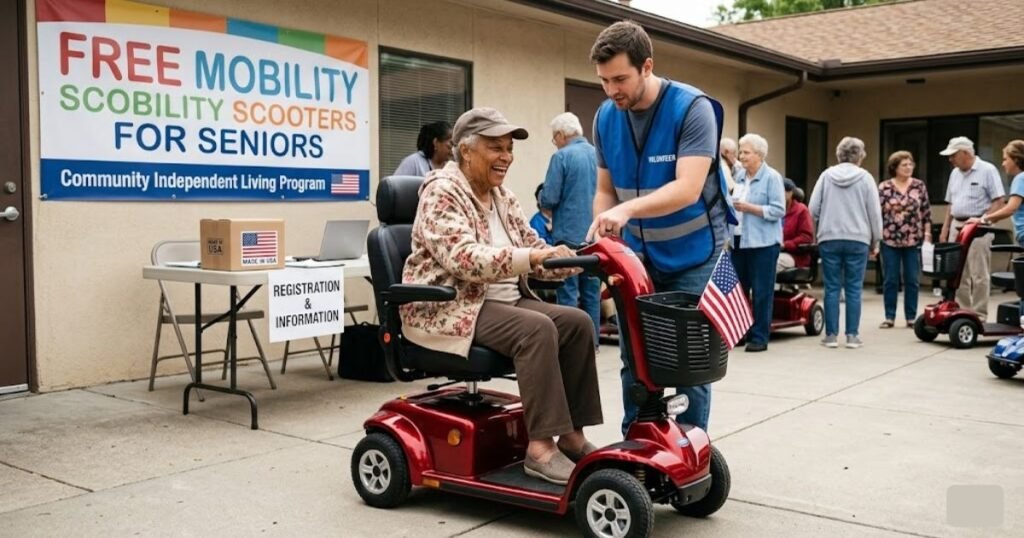
For many older adults, a mobility scooter represents a return to freedom. It restores senior independence, allowing individuals to navigate their communities, attend family gatherings, and manage their lives without relying constantly on others.
Yet, the cost of quality mobility equipment can be a significant barrier. Premium models often cost thousands of dollars, which can easily strain a fixed retirement income. This financial reality leads many families to search for free mobility scooters for seniors or alternative ways to offset the expense.
The good news is that financial aid, insurance coverage, and community programs do exist to help older adults get the equipment they need. The challenging part is separating legitimate resources from misleading advertisements and downright predatory scams. This comprehensive guide will walk you through the realistic pathways to securing mobility support, how to check your eligibility, and how to safeguard your personal information along the way. Lets deep dive into “Free Mobility Scooters for Seniors: How to Find Real Help and Avoid Scams”
What Are Mobility Scooters and Who May Need One?
Before diving into the financial assistance programs, it is helpful to clarify what a mobility scooter is and who it is designed to help. A mobility scooter is an electric-powered personal transportation vehicle designed primarily for individuals with restricted mobility. It typically features a comfortable seat mounted on a three-wheel or four-wheel chassis, a flat area for the feet, and a steering column known as a tiller.
Mobility Scooters vs. Wheelchairs and Power Chairs
It is common to confuse mobility scooters with power wheelchairs, but they serve different physical needs:
- Manual Wheelchairs: Require either significant upper-body strength from the user or a caregiver to push them.
- Power Wheelchairs: Controlled by a joystick on the armrest. They are typically prescribed for individuals with severe physical limitations who cannot steer a traditional handlebar or sit upright without specialized supportive seating.
- Mobility Scooters: Best suited for individuals who still have good upper-body strength, trunk stability, and the ability to steer with both hands, but who lack the physical stamina or balance required to walk safely over distances.
Common Signs that a Mobility Scooter Could Help
A scooter is often considered a vital assistive device when walking becomes a safety risk or an exhausting chore. Some common situations where an older adult might benefit from senior mobility help include:
- Difficulty walking long distances: Finding yourself unable to walk from the parking lot into a grocery store or medical office without severe fatigue or pain.
- Recovery after surgery or major injury: Needing temporary or long-term structural support while healing from a hip replacement, knee surgery, or stroke.
- Balance or stamina concerns: Experiencing dizziness, unsteady footing, or shortness of breath during brief periods of standing or walking.
- Increased isolation: Avoiding social outings, neighborhood walks, or trips to the store simply because the physical effort of walking has become too daunting.
READ MORE: Habitat For Safe Seniors Free Ramp Program (Eligibility & How to Apply)
Are Free Mobility Scooters for Seniors Really Available?
When you search online, you will find countless advertisements promising a free scooter for elderly individuals. It is crucial to approach these claims with a healthy dose of realism.
The Reality Check: Truly “free” mobility scooters where a brand-new device arrives at your doorstep with absolutely zero cost, zero paperwork, and no specific medical need are exceptionally rare.
However, obtaining a scooter at no out-of-pocket cost through insurance coverage, government programs, or charitable organizations is entirely possible. In these scenarios, the scooter isn’t a “free gift”; rather, its cost is covered on your behalf because you meet strict medical and financial requirements.
Seniors and their caregivers can find legitimate mobility scooter assistance for seniors through several recognized channels:
- Medicare or Private Insurance: If a doctor deems a scooter a “medical necessity,” insurance plans may cover up to 80% or even 100% of the cost.
- Medicaid: Low-income individuals may qualify for state-specific programs that fully fund assistive technology.
- Veterans Benefits (VA): The Department of Veterans Affairs routinely provides mobility equipment to eligible veterans who require it for daily living.
- Charities and Nonprofit Organizations: National and local foundations often collect, refurbish, and donate gently used mobility equipment to those in need.
- Community Assistance Programs: Local senior centers, religious organizations, and community action agencies sometimes manage “lending closets” or provide direct grants.
- Manufacturer Discounts and Payment Support: Some reputable medical supply companies offer sliding-scale fees or low-interest payment plans based on financial hardship.
Eligibility for these programs is never automatic. Every legitimate path requires clear documentation, a verified physical need, and patience as the paperwork is processed.
READ MORE: How Many Times Can I Use the SAH Grant?
Who May Qualify for Free Mobility Scooters?
To qualify for a low-income senior mobility aid or an insurance-covered device, you must meet specific criteria established by the funding source. While every program has its own unique rulebook, almost all of them look for the same baseline factors:
- A Documented Medical Need: You must have a physical condition that significantly limits your ability to move around your home safely. Programs generally will not fund a scooter if it is only needed for outdoor use or leisure trips.
- A Face-to-Face Evaluation and Prescription: A licensed physician, physical therapist, or occupational therapist must conduct an in-person assessment and officially write a prescription stating that a scooter is required for your daily care.
- Inability to Use Alternative Devices: You must be able to demonstrate that simpler, less expensive mobility aids—such as a standard cane, a rolling walker, or a manual wheelchair—are insufficient to meet your daily mobility needs.
- Sufficient Physical and Cognitive Capability: You must possess the physical strength to steer the scooter safely, transfer yourself into and out of the seat, and operate the controls responsibly without endangering yourself or others.
- Financial Hardship or Low Income: For charitable grants and Medicaid support, you will need to provide proof of income, assets, or financial strain to demonstrate that you cannot afford to purchase the device on your own.
- Program-Specific Enrollment: You must be actively enrolled in the corresponding program (such as Medicare Part B, a specific state Medicaid plan, or the VA health care system) and utilize an approved, contract-certified medical equipment supplier.
READ MORE: Government Grants for Seniors: The Complete, Up-to-Date U.S. Guide
How Seniors Can Apply for Mobility Scooter Assistance
Navigating the application process can feel overwhelming, but breaking it down into structured steps can help ensure you do not miss vital requirements. Here is a clear, step-by-step roadmap on how to get a mobility scooter for free or at a heavily subsidized cost through official channels:
Step 1: Schedule an Appointment with Your Primary Care Doctor
Your first step should always start in a medical office, not a retail store. Schedule a specific visit with your physician to discuss your mobility challenges. Explain clearly how your difficulty walking affects your daily safety and independence at home.
Step 2: Undergo a Face-to-Face Mobility Evaluation
During your appointment, your doctor will evaluate your physical capabilities. They will look at your balance, strength, endurance, and coordination. In many cases, they may refer you to a physical or occupational therapist for a specialized physical therapy assessment to confirm exactly what type of equipment fits your body and lifestyle.
Step 3: Obtain a Written Prescription and Detailed Medical Records
If the clinical team agrees that a scooter is required, the doctor must write a formal prescription. Crucially, they must also write detailed progress notes within your medical record that explicitly detail your diagnosis, your struggles with daily activities (like bathing, dressing, or getting to the bathroom), and why a walker or cane is no longer enough.
Step 4: Contact Your Insurance or Benefit Coordinator
Before shopping, call your insurance provider, Medicaid caseworker, or VA representative. Ask them directly for their guidelines regarding Durable Medical Equipment (DME). Ensure you understand your deductible, any potential co-pays, and whether pre-authorization is required before purchase.
Step 5: Choose an Approved, Certified Supplier
If you are using insurance or government benefits, you cannot simply buy a scooter from any online retail website. You must work with an authorized DME supplier that is explicitly enrolled in your network or program. Ask the supplier directly: “Are you an approved supplier for my specific insurance program, and do you accept assignment?”
Step 6: Submit Your Application and Follow Up
The medical supplier will work alongside your doctor’s office to compile your prescription, medical notes, and insurance forms. Once submitted, the approval process can take anywhere from a few weeks to several months. Keep a dedicated folder with copies of all your paperwork, the names of everyone you spoke with, and the dates of your conversations so you can comfortably follow up on the status of your request.
READ MORE: Salvation Army Free Car Program (Eligibility & How to Apply)
Medicare, Medicaid, and Veterans Help
The federal and state governments provide the most robust pathways for acquiring mobility equipment, provided you meet their strict guidelines for government help for mobility scooters. Here is a detailed look at how the three major public systems operate:
Medicare Part B
Medicare classifies mobility scooters as Durable Medical Equipment (DME). To receive financial coverage, your needs must fit neatly within the Medicare Part B guidelines.
- The Home-First Rule: Medicare will only cover a scooter if it is primarily required to help you complete activities of daily living inside your home. If you can walk well enough to get around your kitchen and bedroom, but only want a scooter to go to the park or shopping mall, Medicare will generally deny the claim.
- Cost Sharing: If you meet all clinical criteria and your doctor and supplier are both enrolled in Medicare, Medicare Part B typically covers 80% of the approved amount. You or your supplemental insurance plan are responsible for the remaining 20% after you meet your annual Part B deductible.
Medicaid
Medicaid is a joint federal and state program designed for individuals with limited income and resources. Because it is administered by individual states, the exact rules for disabled scooter assistance vary heavily depending on where you live.
- Standard Medicaid Coverage: In many states, standard Medicaid will pay for a mobility scooter if it is deemed medically necessary and forms a core part of your medical treatment plan.
- Home and Community-Based Services (HCBS) Waivers: Many states offer special waiver programs designed to help seniors stay out of nursing facilities and live independently at home. These waivers frequently offer broader, more flexible funding for assistive technology, home modifications, and specialized mobility aids.
Veterans Affairs (VA) Benefits
The Department of Veterans Affairs provides excellent health and mobility support for veterans enrolled in the VA health care system.
- The Evaluation Process: A veteran must be evaluated by a VA primary care provider or a specialist at a VA Prosthetic and Sensory Aids service clinic.
- Clinical Criteria: If the evaluation shows that a scooter is necessary to preserve the veteran’s independence, improve their safety, or support their service-connected health conditions, the VA will often cover the full cost of the device, alongside necessary maintenance, batteries, and repair services.
| Program | General Coverage Level | Key Primary Requirement |
| Medicare Part B | Covers 80% of the approved cost (after deductible). | Must be medically necessary for use inside the home. |
| Medicaid | Varies by state; often covers up to 100% for qualified individuals. | Must meet low-income thresholds and state clinical criteria. |
| Veterans Affairs (VA) | Often covers 100% for qualified, enrolled veterans. | Must be evaluated and approved by a VA clinical provider. |
READ MORE: $3000 Senior Assistance Program Application
Where to Look for Legitimate Help
If you do not qualify for government health programs, or if your insurance claim is denied, do not lose hope. There are several trustworthy, community-minded spaces where you can seek genuine assistance and alternative funding:
- Local Area Agencies on Aging (AAA): This is one of the single best starting points for any senior. The AAA is a network of non-profit organizations across the United States that connects older adults with local resources, localized grants, and state-specific aid programs. You can find your local office via the online Eldercare Locator.
- National and Regional Disability Nonprofits: Foundations like Easterseals, the National Multiple Sclerosis Society, or the ALS Association frequently run equipment loan programs or offer direct financial aid for assistive devices related to specific diagnoses.
- Faith-Based and Civic Organizations: Local chapters of the Knights of Columbus, the Lions Club, the Elks Lodge, or St. Vincent de Paul frequently manage community funds or equipment donation closets to assist neighbors experiencing financial distress.
- State Assistive Technology Act Programs: Every U.S. state and territory receives federal funding to operate an Assistive Technology (AT) program. These programs often feature equipment demonstration centers, short-term loan options, and low-interest financial loan programs specifically designed for purchasing mobility tools.
- Hospital Discharge Planners and Social Workers: If you or your loved one is currently hospitalized or staying in a short-term rehabilitation facility, ask to speak directly with a social worker. They have direct pipelines to local charities and can expedite applications for emergency medical gear.
How to Avoid Scams
Unfortunately, the high demand for mobility equipment makes this industry a frequent target for dishonest operators. Scammers often prey on older adults by making unrealistic promises of a “completely free, no-strings-attached scooter.” Protecting your identity and your wallet requires a sharp, vigilant eye.
Common Red Flags to Watch Out For
- Unsolicited Phone Calls or Text Messages: Legitimate medical suppliers or government agencies will almost never call you out of the blue to offer free medical equipment. If someone calls claiming to be from “Medicare” or a “senior benefits department” offering a free scooter, hang up immediately.
- Demanding Upfront Fees: If a company claims your scooter is 100% free but insists you must pay a “shipping fee,” “processing fee,” or “registration deposit” before they can send it, it is highly likely a scam.
- Promising Immediate Approval Without Medical Records: Any advertisement stating that you can skip a doctor’s visit or bypass an insurance review is fraudulent. Legitimate coverage always requires a clinical evaluation.
- Aggressive, High-Pressure Sales Tactics: Scammers often try to rush your decision by stating that the offer is “only valid for today” or that “supplies are running out fast.”
- Refusing to Provide Written Details: If a representative refuses to mail or email you official program documentation, terms of service, or physical contact information, cut off communication.
Checklist for Safe Shopping and Application
Before you share any personal information, run through this simple protection checklist:
- [ ] Verify the company’s physical address: Ensure the business operates out of a real storefront or medical warehouse, not a hidden P.O. Box.
- [ ] Check their standing with the Better Business Bureau (BBB): Look for patterns of complaints, hidden charges, or poor customer reviews.
- [ ] Protect your sensitive information: Never provide your Social Security number, Medicare claim number, or bank account information over the phone to someone who contacted you unexpectedly.
- [ ] Consult a family member or trusted advocate: Run the offer by an adult child, a trusted friend, or a local senior center representative before signing any documents.
- [ ] Confirm with your own doctor: If an ad claims your doctor will automatically sign off on their form, call your doctor’s office directly to verify if they have ever heard of or worked with that specific company.
READ MORE: Grants for Wheelchair Accessible Vehicles in the USA | Eligibility & How to Apply
Other Affordable Options If a Free Scooter Is Not Available
If you find yourself stuck in a gap where you do not qualify for a fully funded device but still cannot afford a brand-new retail model, there are many practical, budget-friendly strategies available to secure senior mobility help without overspending.
Used and Refurbished Mobility Scooters
Many families sell gently used scooters when their loved ones no longer need them. You can often find high-quality, reputable brands for a fraction of their original retail price on local marketplaces like Craigslist, Facebook Marketplace, or through specialized medical equipment liquidators. When buying used, try to bring a family member along to test the battery strength and inspect the tires.
Local Equipment Lending Closets
Many community senior centers, local health departments, and veteran halls run community “lending closets.” These programs collect donated medical gear, clean and inspect it, and then loan it out to local residents for free or for a tiny monthly donation. This is a brilliant option if you only need a scooter for a few months during surgical recovery.
Rent-to-Own and Flexible Payment Plans
Many authorized durable medical equipment suppliers offer flexible monthly payment options or rent-to-own agreements. This allows you to break a large purchase down into manageable, predictable monthly payments that align safely with your retirement budget or Social Security schedule.
Community Transportation Alternatives
If your primary goal is simply getting to your medical appointments or grocery shopping, look into your city or county’s specialized transit programs. Many municipalities offer low-cost or free “door-to-door” paratransit services, volunteer driver programs for seniors, or shuttle busses equipped with wheelchair lifts that can get you where you need to go safely without requiring you to own a personal vehicle.
Tips for Choosing the Right Scooter
If you do secure funding or decide to make an affordable purchase, selecting the specific model that aligns with your unique physical needs and living space is critical. Take time to weigh these essential features carefully:
- Indoor vs. Outdoor Use: Three-wheel scooters feature a tight turning radius, making them ideal for navigating narrow hallways and sharp corners inside a home. Four-wheel models offer superior stability and balance, making them far better suited for uneven outdoor terrain, sidewalks, and gravel paths.
- Weight Capacity and Seating Comfort: Ensure the model you choose is structurally rated to support your weight safely. Look for customizable comfort options like adjustable armrests, contoured seat cushions, and a high, supportive backrest if you plan on sitting for extended periods.
- Battery Range and Performance: Check how many miles the scooter can travel on a single full charge. If you only plan to move around your house, a basic short-range battery is fine. If you love spending full days at community festivals or parks, look for an extended-range power option.
- Portability and Travel Needs: Consider how you will transport the scooter. Do you need a lightweight, travel-friendly model that easily folds down or disassembles into a few pieces to fit into a car trunk? Or will your family need to install a specialized vehicle lift on the back of your SUV or van to carry a heavier, heavy-duty model?
- Warranty and Service Coverage: Always ask about the manufacturer’s warranty. Find out who handles repairs if a motor fails or a battery dies. Having access to responsive, local maintenance support can prevent you from being left stranded without your mobility aid.
FAQs
How can seniors get free mobility scooters?
Seniors may find help through Medicare, Medicaid, VA benefits, nonprofits, or local assistance programs. Most real programs require medical proof and eligibility review, so the first step is usually a doctor’s evaluation.
Does Medicare pay for mobility scooters for seniors?
Yes, Medicare Part B may cover a scooter when it is medically necessary and the person meets coverage rules. Medicare requires a face-to-face exam, a written prescription, and an approved supplier.
What documents are needed to apply for a mobility scooter?
Common documents include a doctor’s prescription or medical order, proof of identity, proof of income for some programs, and medical records that show the need for the scooter. Some programs may ask for additional forms or an in-person evaluation.
Are there nonprofit programs that help seniors get scooters?
Yes, some nonprofits and local aging organizations may help with mobility equipment, referrals, or short-term lending programs. Availability depends on location and funding, so checking local resources is important.
How can seniors avoid mobility scooter scams?
Be cautious of anyone who asks for upfront payment, promises instant approval, or pressures you to share personal information. Use official websites, ask for written details, and report suspicious offers to the FTC.
Final Thoughts
Regaining your freedom of movement should not have to mean risking your financial security or falling prey to misleading online offers. While finding free mobility scooters for seniors requires a bit of time, documentation, and careful research, legitimate pathways exist through Medicare, Medicaid, VA benefits, and supportive community organizations to help make this life-changing technology accessible.
Take the process step by step. Start by scheduling an honest, open conversation with your primary care physician to establish your physical and medical needs. Reach out to local, trustworthy resources like your local Area Agency on Aging, and keep your guard up against any company that demands fast money or sensitive information upfront.
By staying informed, patient, and cautious, you can confidently navigate the system, secure the safe mobility aid you deserve, and continue living your life with independence and joy.