According to data from the Centers for Disease Control and Prevention (CDC), falls are the leading cause of injury among Americans aged 65 and older. A single fall can turn a routine day into a medical emergency. More importantly, the time spent waiting for help often called the “long lie”—can significantly impact recovery outcomes.
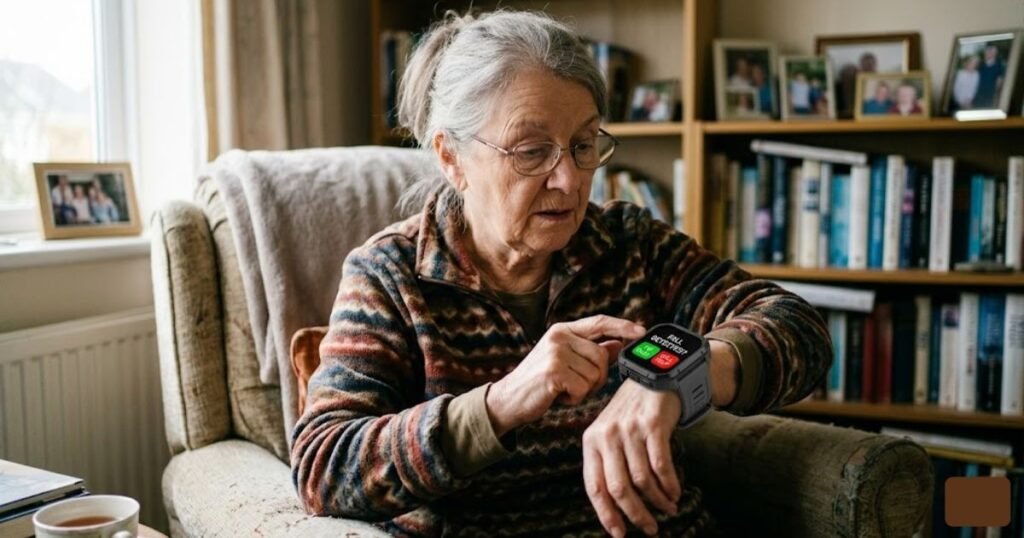
Historically, the only solution was a bulky plastic medical alert pendant worn around the neck. Many seniors chose to leave these in a drawer out of embarrassment or discomfort. Thankfully, modern wearable tech has changed everything. Today’s smartwatches offer advanced fall detection sensors disguised inside sleek, modern designs that anyone would be proud to wear.
This guide will help you understand how they work. We will look at the best models for 2026 and help you decide which one fits your lifestyle best. Lets deep dive into “Best Fall Detection Smartwatch for Seniors: 2026 Buying Guide & Reviews”
Key Takeaways:
- Purpose Matters: Mainstream smartwatches (like the Apple Watch) call emergency services (911) directly, while dedicated medical alert watches connect to 24/7 professional monitoring centers first.
- Cost vs. Subscriptions: Consumer smartwatches have high upfront hardware costs but no recurring monthly safety fees. Medical alert watches feature lower upfront costs but require monthly service subscriptions ($30–$60/month).
- No System is 100% Perfect: Automatic fall detection uses motion sensors and AI to detect rapid downward acceleration followed by an impact. While highly reliable, they can occasionally miss soft or slow falls.
- Ecosystem Compatibility: Apple Watches require an iPhone to set up and operate. Samsung and Google Pixel watches require Android smartphones, whereas dedicated medical alert watches function as standalone devices with built-in cellular connections.
READ MORE: Best Medical Alert Systems for Seniors | Top Picks & Reviews
How Smartwatch Fall Detection Works
It feels like magic when a watch senses a fall, but the technology relies on sophisticated engineering. Inside every fall detection smartwatch is a collection of miniature hardware components working alongside artificial intelligence (AI) algorithms.
1. The Sensors: Accelerometers and Gyroscopes
Smartwatches use high-G accelerometers to continuously measure changes in speed and velocity along three axes. Simultaneously, a gyroscope monitors angular velocity and changes in body orientation.
2. The Algorithm: Analyzing the Movement Profile
The watch doesn’t trigger just because your wrist moves quickly. The software looks for a very specific signature pattern:
A period of immobility: The watch checks for motion immediately following the impact. If you stand right back up, the watch assumes you are okay and suppresses the alert.
A sudden, rapid descent: The accelerometer tracks a fast downward drop.
The impact event: A sharp spike in force when the body hits the floor.
3. The Response Chain
If the watch registers the impact and notes that you haven’t moved for roughly 30 to 60 seconds, it initiates a sequence:
- The Warning Phase: The watch sounds an audible alarm and vibrates strongly against your wrist. A clear prompt appears on the screen asking if you are okay.
- Emergency Activation: If you don’t dismiss the alert by tapping “I’m OK,” the watch utilizes its built-in cellular or paired phone connection to make a call.
- Location Sharing: The watch transmits your real-time GPS coordinates directly to emergency dispatchers or family members so help knows exactly where to go.
Why Fall Detection Matters for Seniors
Falls rarely happen when it is convenient, and they often occur when a senior is completely alone. The physical impacts of a fall can be severe, ranging from hip fractures to head trauma. However, the psychological impact can be just as limiting. The fear of falling causes many older adults to withdraw from physical activities, which paradoxically weakens muscles and increases the risk of future accidents.
An automatic fall detection feature provides a reliable safety net. Consider these crucial points:
- Inability to Call for Help: In many serious fall scenarios, a senior may become disoriented, lose consciousness, or be unable to physically reach a phone or press a manual panic button.
- The Golden Hour: Getting medical help within the first hour of an injury drastically increases the chances of returning to independent living after hospitalization.
- Preserving Autonomy: Knowing that emergency contacts or response agents will be automatically notified allows seniors to live alone comfortably for longer.
- Caregiver Relief: Family members can go to work or sleep through the night without checking their phones constantly, knowing the watch will alert them if an emergency occurs.
READ MORE: Best Health Tracking Smartwatch for Seniors 2026 — Top 8 Picks Compared
Best Fall Detection Smartwatch Reviews
Here are five of the top options available for seniors today. We have reviewed them based on their features, ease of use, and reliability.
1. Seculife Smartwatch
The Seculife is a heavy-duty safety watch that focuses on 4G connectivity and real-time tracking.
Key Feature: Automatic fall detection with an assistive speakerphone for instant clear talking.
Pros and Cons: Excellent GPS accuracy and easy-to-press SOS button, but requires a monthly subscription fee.
Best for: Seniors with dementia or those who want a professional 24/7 monitoring service.

- 🆘 𝐅𝐚𝐥𝐥 𝐃𝐞𝐭𝐞𝐜𝐭𝐢𝐨𝐧, 𝐒𝐎𝐒 𝐯𝐨𝐢𝐜𝐞 𝐜𝐚𝐥𝐥𝐬 𝐟𝐨𝐫 𝐒𝐞𝐧𝐢𝐨𝐫𝐬: When the smartwatch detects a fall or the heart button is pressed for 3 s…
- ✅ 𝐄𝐚𝐬𝐲 𝐀𝐜𝐭𝐢𝐯𝐚𝐭𝐢𝐨𝐧 | 𝐌𝐨𝐧𝐭𝐡𝐥𝐲 𝐒𝐮𝐛𝐬𝐜𝐫𝐢𝐩𝐭𝐢𝐨𝐧 𝐑𝐞𝐪𝐮𝐢𝐫𝐞𝐝: From $25 per month. Includes premium safety features: Unlimited Fall …
- 📲 𝐒𝐦𝐚𝐫𝐭𝐛𝐚𝐧𝐝 𝐌𝐞𝐝𝐢𝐜𝐚𝐥 𝐀𝐥𝐞𝐫𝐭 – 𝟐-𝐖𝐚𝐲 𝐂𝐚𝐥𝐥𝐢𝐧𝐠: Combines emergency response and communication in one easy-to-use device.
2. COCO Emergency Alert Smartwatch for Seniors
This watch is designed to be a “constant companion” that connects directly to a circle of family caregivers.
Key Feature: An “Emergency Care Team” app that lets family members monitor vitals and location 24/7.
Pros and Cons: Great for family-led care and health tracking, though the app setup can be a bit tech-heavy for some.
Best for: Seniors who have active family members involved in their daily health monitoring.

- 【Stay Safe & Independent】 Designed for seniors living alone, providing continuous safety monitoring and emergency alerts…
- 【Enhanced Fall Detection + SOS Emergency Call】 Automatically detects serious falls and triggers a 20-second countdown. T…
- 【24/7 Health & Wellness Monitoring】 Track heart rate, blood oxygen (SpO2), sleep patterns, stress, and breathing in real…
READ MORE: Best Voice Assistant for Seniors 2026 — Safe, Simple & Senior-Friendly Picks
3. Fajocru Fall Detection Smart Watch for Seniors V46
The Fajocru is a versatile 4G watch that offers video calling and health sensors at a competitive price.
Key Feature: High-definition video calling allows you to see your loved one during an emergency check-in.
Pros and Cons: Packed with features like heart rate and body temperature, but you must provide your own SIM card.
Best for: Tech-savvy seniors who want to video chat with grandkids while staying safe.
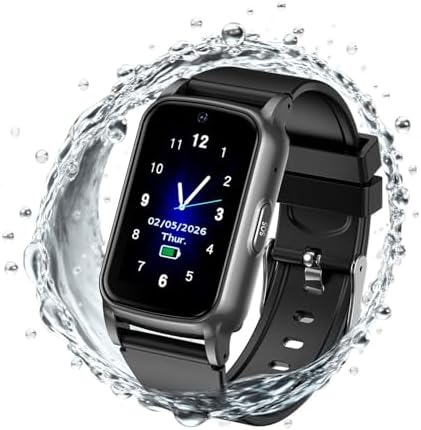
- 1. Real-Time Lifesaving Fall Alert Advanced AI sensors instantly detect falls—even minor ones—and automatically send an …
- 2. Senior-Friendly Design, Effortless & Intuitive Extra-large icons, crystal-clear built-in voice-narrated menus, and on…
- 3. Smart Safety Zones You Custom-Draw Create custom geofences on the map (e.g., home zone, park zone)—get instant push n…
4. Smart Health Watch (Model saw911-365)
This model is a straightforward medical alert watch designed for people who hate monthly bills.
Key Feature: No contracts and no monthly fees; it is designed to call 911 directly in an emergency.
Pros and Cons: Very cost-effective and simple to operate, but lacks a dedicated 24/7 professional monitoring center.
Best for: Budget-conscious seniors who want a simple device that calls emergency services only.
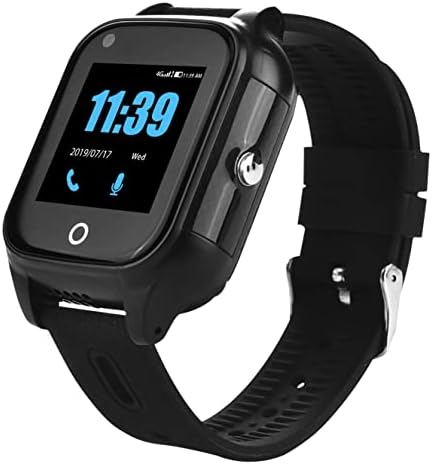
- Style: Modern
- Special feature: Fall Detection
- Display Size: 1.59 inches
READ MORE: Best Wireless TV Headphones for Seniors (2026) – Clear Sound & Easy Setup
5. Rtwxi Fall Detection for Seniors Smart Watch
The Rtwxi is a rugged safety watch that balances health tracking with emergency response.
Key Feature: Integrated “Safe Zones” (geofencing) that alert family if the wearer leaves a specific area.
Pros and Cons: Very reliable 4G signal and health vitals tracking, but the battery requires charging every 2-3 days.
Best for: Active seniors who spend a lot of time outdoors or walking in the neighborhood.

- 【Reliable Safety Solution】 Designed as a dependable safety solution for seniors, this smartwatch provides essential prot…
- 【Smart Fall Detection & Instant SOS】 This smart watch with fall detection uses advanced sensors to recognize sudden fall…
- 【4G Video Call & Easy Communication】 Stay connected through HD video calls and voice messaging. This android smart watch…
Comparison Table: Top 5 Fall Detection Smartwatches
| Product Name | Fall Detection | GPS Tracking | Emergency Alert | Ease of Use | Battery Life | Best For |
| Seculife | Yes | High Accuracy | 24/7 Center | Simple | 1-2 Days | Professional Care |
| COCO Watch | Yes | Yes | Family App | Moderate | 2-3 Days | Family Monitoring |
| Fajocru V46 | Yes | Yes | Direct Call | Moderate | 2-4 Days | Video Calls |
| Smart Health | Yes | Yes | Calls 911 | Very Easy | 2-3 Days | No Monthly Fees |
| Rtwxi Watch | Yes | Yes | SOS Button | Easy | 2-3 Days | Active Outdoors |
READ MORE: Best Smart TV for Seniors in 2026: Easy to Use & Large Screen Picks
Essential Features to Look For
When shopping for the right device, don’t get distracted by shiny features you’ll never use. Focus on these core elements to ensure safety and usability:
- Reliable Fall Detection Architecture: Look for automatic, tri-axis sensor tracking backed up by verified testing profiles.
- One-Touch SOS Emergency Calling Button: A prominent, easily accessible physical button that can be held down blindly to summon aid immediately.
- Integrated GPS & Location Analytics: Crucial so emergency services or family members can track down the precise coordinates of the user if a fall happens outdoors.
- Native LTE Wireless Connectivity: Allows the smartwatch to transmit distress signals anywhere across the country without needing a smartphone nearby.
- Biometric Tracking Tools (ECG & Heart Rates): Useful for monitoring underlying causes of falls, such as sudden dizziness from a fluctuating heart rate.
- Daily Medication Reminders: Audio or vibrational prompts that keep seniors on track with critical pill schedules, helping to prevent dizzy spells caused by missed doses.
- High-Visibility Displays with Large Fonts: High-contrast touch panels that remain legible under bright afternoon sunlight.
- Robust Waterproof Ratings: Ensure the watch has an IP68 rating or 50m water resistance. Most slips occur on slippery tile surfaces inside showers and tubs.
- Simple Charging Infrastructure: Look for magnetized charging docks or drop-in cradles. Tiny plug-in cables can be frustrating for seniors dealing with arthritis or tremors.
- Dedicated Caregiver Companion Apps: Smartphone portals that let family members check battery levels, update medical histories, and view location data remotely.
Who Should Buy a Fall Detection Smartwatch?
A fall detection watch is a proactive investment in safety. It is highly recommended for:
- Active Seniors (65+): Older adults who love walking, gardening, running errands, or traveling solo.
- Individuals Living Alone: Provides a critical communication lifeline when there are no family members nearby to hear a cry for help.
- People Managing Chronic Conditions: Those dealing with Parkinson’s disease, epilepsy, vertigo, or erratic blood pressure fluctuations.
- Stroke Survivors & Post-Op Patients: Individuals recovering from major surgeries who are relearning gait stability and balance techniques.
- Family Caregivers: Anyone looking for proactive peace of mind without micro-managing their elderly parents’ daily schedules.
READ MORE: Best Smart Pill Dispensers for Medication for Seniors
Fall Detection Smartwatch vs. Pendant
For years, the “pendant” was the only choice for senior safety. You probably remember the commercials of someone wearing a plastic button around their neck. Today, smartwatches are taking over. However, both have their place.
A smartwatch is usually better for active seniors. It looks like a normal watch, so there is no “stigma” attached to it. It also offers more features like step counting and weather. A pendant is often simpler. It usually has one big button and a battery that lasts months instead of days.
Comparison Table: Smartwatch vs. Pendant
| Feature | Fall Detection Smartwatch | Fall Detection Pendant |
| Wearability | Worn on the wrist like a watch | Worn around the neck or on a belt |
| Style | Modern, discreet, and stylish | Looks like a medical device |
| Daily Features | Time, steps, heart rate, weather | Usually no extra features |
| Ease of Forgetting | Hard to forget if you wear a watch daily | Often forgotten on the nightstand |
| Battery Life | Needs charging every 1-3 days | Can last weeks or months |
| Communication | Two-way voice and sometimes video | Two-way voice through a base station |
| Calling | Calls family, 911, or a center | Usually calls a monitoring center |
| Convenience | High (it is an all-in-one device) | Moderate (can get in the way during tasks) |
The Verdict: While pendants are great for those who want “set it and forget it” simplicity, the smartwatch with fall detection is the winner for most. It provides more data, looks better, and encourages the wearer to keep it on because it is actually useful for things other than emergencies.
READ MORE: Salvation Army Free Car Program (Eligibility & How to Apply)
Pros and Cons of Fall Detection Smartwatches
To help summarize your options, here is a balanced breakdown of the pros and cons of using a smartwatch as a primary fall safety device:
| Pros / Advantages | Cons / Limitations |
| Discreet and Stylish: Looks like a modern piece of technology rather than a clinical medical device. | Battery Dependent: Requires discipline to charge every 18 to 24 hours (unless using the Kanega watch). |
| Advanced Location Tracking: Built-in GPS sends exact coordinates directly to responders. | Algorithm Boundaries: Can occasionally miss soft, slow falls or register high-impact movements as false alarms. |
| Two-Way Voice Communication: Built-in speakers let you talk directly to emergency contacts or operators right from your wrist. | Upfront Cost: Mainstream watches require an initial investment of $200–$400. |
| Subscription Flexibility: Choose between free direct-to-911 options or monitored professional plans. | Physical Barriers: Requires basic finger dexterity to navigate touchscreens and secure charging links. |
Common Mistakes Seniors Make
Over our years of testing and evaluating tech for older adults, we see the same handful of setup and daily usage mistakes happen repeatedly. Keep an eye out for these pitfalls:
- Wearing the Watch Too Loosely: If the band is loose and slides around your wrist, the sensors cannot accurately measure impact forces, which can cause the watch to miss a fall entirely. Keep the band snug against the skin.
- Forgetting the Nighttime Charging Routine: Most falls occur during late-night or early-morning trips to the bathroom. If the watch is left charging on the kitchen counter overnight, it can’t help you when you need it most.
- Buying Incompatible Devices: Do not buy an Apple Watch for a senior who uses a cheap Android phone. The devices will not pair, and you won’t be able to access the critical safety settings.
- Skipping the Cellular Plan Activation: For mainstream watches, buying the GPS-only model means the watch cannot call for help unless your smartphone is within 30 feet and connected via Bluetooth. If you want true independence outdoors, invest in the LTE cellular option.
- Hiding the Watch Under Thick Sleeves: While the sensors will still work, thick winter coats or tightly buttoned shirt cuffs can muffle the emergency speaker and make it hard to hear the countdown warning tone.
Expert Buying Tips
If you are choosing a device for an aging parent or loved one, keep these real-world tips in mind:
Prioritize Continuous Wear Over Advanced Features: A highly advanced watch does no good if it stays sitting on a nightstand because the user finds it uncomfortable or heavy. Look for lightweight options with breathable, soft straps.
- Look Into Financial Assistance Programs: While standard Medicare does not typically cover the ongoing monthly cost of medical alert smartwatches, certain Medicare Advantage (Part C) plans or local Medicaid waiver programs offer partial or full hardware reimbursements.
- Choose the Right Charger Style: Opt for automated drop-in cradle docks over magnetic disc pucks. Docks hold the watch securely in place, preventing it from slipping off and failing to charge overnight.
- Test the Cellular Coverage in Your Area: Dedicated medical alert watches rely on specific networks (like AT&T or Verizon). Check the provider’s cellular coverage map for the senior’s specific zip code before purchasing to ensure a strong signal inside their home.
Final Verdict
A fall detection smartwatch for senior safety is an investment in independence. It allows older adults to keep living the life they love while providing a safety net for “just in case” moments.
If you want the most professional protection, the Seculife or COCO models are fantastic because they connect you to care teams. If you want a simple, one-time purchase to call 911, the Smart Health Watch is a great choice.
The best watch is the one you will actually wear every day. Talk to your family, look at the monthly costs, and choose the one that makes you feel the most confident. Staying safe doesn’t mean giving up your freedom—it means protecting it.
Frequently Asked Questions (FAQs)
What is the best fall detection smartwatch for seniors?
The best watch depends on your needs. For 24/7 professional monitoring, the Seculife is a top choice. For families who want to monitor their loved one themselves through an app, the COCO watch is often considered the best option.
Does a fall detection smartwatch work without a phone?
Many “senior” specific smartwatches have their own built-in 4G cellular connection. This means they do not need to be connected to a smartphone to call for help. However, they usually require a monthly service plan or a SIM card to work this way.
Is a smartwatch better than a pendant for seniors?
Generally, yes. Smartwatches are harder to lose, look more modern, and offer more features like GPS and heart rate tracking. Pendants are only better if the senior wants a battery that lasts for several months without charging.
How accurate is fall detection in smartwatches?
Most modern smartwatches are very accurate at detecting “hard falls” (trips and slips). They are less accurate at detecting “soft falls,” such as sliding out of a chair slowly. Most watches allow you to cancel a false alarm if the watch thinks you fell when you didn’t.
Do seniors need a monthly plan for a fall detection watch?
It depends on the model. Some watches, like the Smart Health Watch, have no monthly fees and call 911 directly. Others require a monthly subscription ($20-$40) to access professional monitoring centers and advanced GPS tracking features.