Seniors have historically been able to get targeted COVID-19 relief through a mix of federal funding routed to states, national nonprofit emergency grants, and local programs (meals, in-home supports, utility and rental help). Most federal COVID programs were time-limited and flowed to states or community organizations rather than directly to individuals; that means your best immediate steps are phone-first: call the Eldercare Locator or your Area Agency on Aging, search state/local relief portals, and check nonprofit programs such as Meals on Wheels or AARP Foundation for emergency help. Verify current program status and deadlines with the issuing agency many COVID-era grants closed or shifted into new funding streams, so staff at local agencies can point you to up-to-date resources.
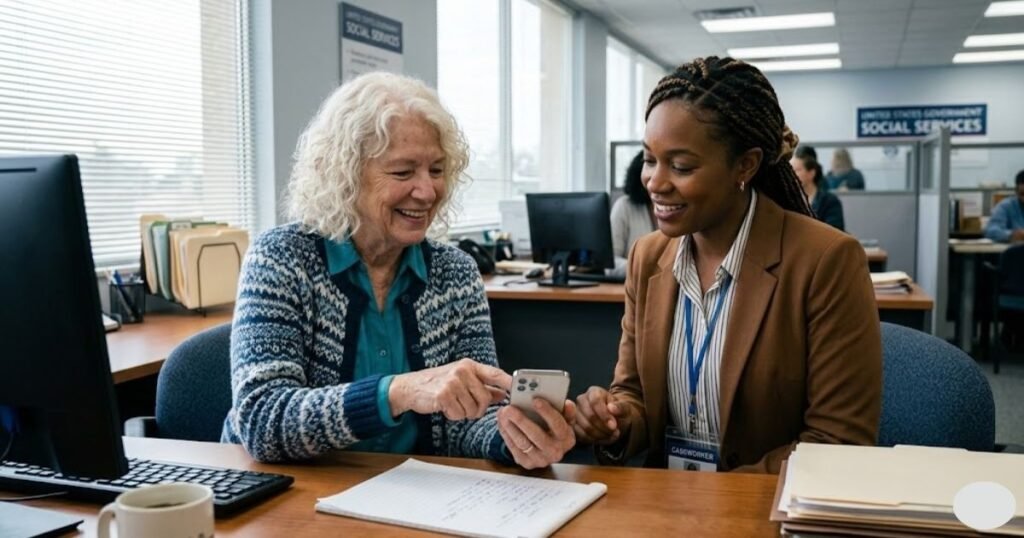
Quick answer: Can Seniors get COVID-19 Grants?
The short answer is: Yes, but not as direct cash checks. In 2026, “senior grants for covid 19” refer to services and programmatic support funded by the government and philanthropic organizations.
- Federal Level: The Administration for Community Living (ACL) and the Treasury are overseeing the final expenditure of billions in ARPA funds for home and community-based services (HCBS) and the Homeowner Assistance Fund (HAF).
- State Level: State Departments of Aging are managing “formula grants” that pay for legal aid, senior centers, and nutrition programs. Many of these have been bolstered by COVID-era legislation.
- Nonprofit Level: Organizations like the AARP Foundation and Eckerd Connects are offering competitive grants for community improvements and emergency food assistance.
- Action Step: Your most important phone call is to the Eldercare Locator at 1-800-677-1116. They connect you directly to your local Area Agency on Aging, which knows exactly which local grants are still active in your zip code.
READ MORE: Senior Services in Grants Pass — Complete Guide to Help, Benefits, and Local Resources
How Grants Differ from Loans or Benefits
- Grants are typically funds you do not pay back. Many COVID grants were one-time emergency funds for specific needs (meals, PPE, temporary home help).
- Loans must be repaid with interest — not common for direct senior relief during COVID.
- Benefits (like Social Security, SNAP) are ongoing programs with separate eligibility rules; they are not “grants” even when used to help through the pandemic.
Why it matters: agencies often route grant dollars through nonprofits or local governments; you might apply to a local charity or be referred by your Area Agency on Aging rather than filling out a federal grant form.
Types of Grants and Relief that Helped Seniors During COVID-19
Understanding the mechanism of how money flows from the federal government to your front door is essential for setting realistic expectations. There are two primary ways seniors receive “grant” support: direct emergency assistance and programmatic funding.
1. Direct emergency grants (nonprofit & local government)
During the height of the pandemic, these were often “gap fillers.” For example, organizations like Eckerd Connects expanded their “Success Awards” in 2025 and 2026 to provide up to $\$5,000$ for individuals in crisis due to food insecurity or housing instability. These are often privately funded but work alongside government efforts to provide immediate relief that federal bureaucracy might miss.
Another critical form of direct relief is the Homeowner Assistance Fund (HAF). Established by the American Rescue Plan Act, it provides nearly $\$10$ billion to help homeowners with mortgage payments, property taxes, and utilities. For many seniors on a fixed income, this has been a lifesaver, preventing foreclosures and the loss of essential services like water and electricity.
2. Programmatic funding (meals, in-home services, adult day services)
This is where the bulk of senior-focused funding resides in 2026. Instead of receiving a check, you receive a service.
- Senior Nutrition Programs: These include both congregate meals (at senior centers) and home-delivered meals (Meals on Wheels). In 2026, new federal grants are focusing on integrating preventative health into these nutrition programs to help seniors manage chronic conditions.
- Home and Community-Based Services (HCBS): This funding allows seniors to “age in place.” It pays for things like visiting nurses, home health aides, and even home-sharing facilitation programs for those aged 55 and older.
- Independent Living Services Grants (ILSG): These are formula grants provided to states to help people with disabilities including seniors with age-related mobility issues live independently rather than in nursing homes. For FY2026, states like California and Alabama have received hundreds of thousands of dollars specifically for these services.
| Grant Type | Primary Source | How You Receive It | Examples |
| Direct Assistance | Nonprofits / HAF | Payment to servicer (e.g., bank, utility) | HAF mortgage relief, Eckerd Success Awards |
| Programmatic | ACL / OAA | Free or low-cost community service | Meals on Wheels, Legal Aid, Transportation |
| Infrastructure | SLFRF / ARPA | Improved local facilities/access | Senior center renovations, Broadband expansion |
READ MORE: Dental Implant Grants for Seniors — How to Find Help, Step-by-Step
Senior Grants for COVID-19: Federal & National Grants
1. Administration for Community Living (ACL) & Eldercare Locator
a practical starting point: call 1-800-677-1116 or use eldercare.acl.gov to find local services and get referrals to state and county resources. ACL collected COVID-19 resources tailored for older adults during the pandemic and continues to be a hub for aging-related guidance.
2. Grants.gov
the central federal listing for grant opportunities. Important note: Grants.gov is primarily for organizational opportunities (state/local agencies, nonprofits, universities). Individual seniors rarely apply directly here instead, watch which federal programs are active and which local partners are awarded funding. If you are a nonprofit or work for a local agency, learn how to set up an account and search notices of funding opportunities.
3. Federal historical context (CARES/ARPA)
CARES Act and American Rescue Plan funding provided major relief dollars to states, counties, and tribes; much of the COVID response was distributed locally through those pathways. When reading older program pages, note whether funds are closed or have been reallocated.
4. National nonprofits
organizations like the AARP Foundation and Meals on Wheels mobilized emergency funds and programs that directly supported seniors (meals, emergency food boxes, small emergency grants to local providers). Check their grant or program pages and local partner directories. (Example: AARP Foundation ran emergency food programs and distributed grants to local partners during the pandemic.)
COVID Financial Aid for Older Adults: State, County & Local Strategies
- Start local: State health/aging department websites often list COVID-era funding and ongoing programs for older adults. Search “[your state] COVID relief seniors” or find your state’s aging department page.
- Area Agency on Aging (AAA): every county or region has an AAA — they connect seniors to Meals on Wheels, transportation, caregiver supports and sometimes emergency funds. Use the Eldercare Locator to find your AAA.
- County social services & 211: local social service offices and 211 operators track short-term emergency funds (eviction/utility relief, food assistance). Call 2-1-1 or your county’s human services line.
- Local nonprofits & religious groups: many community organizations set up small emergency grant funds for seniors during COVID call the local United Way, faith-based groups, or food banks.
READ MORE: USDA grants for seniors: Eligibility, amounts, and how to apply
Elder Assistance COVID Grants: State-Specific Examples
Each state has its own “flavor” of COVID-19 relief.
- California: The California Department of Aging (CDA) has prioritized “warmlines” like the Friendship Line California (1-888-670-1360), which provides emotional support for seniors still feeling the effects of social isolation.
- Colorado: The Colorado Department of Health Care Policy and Financing (HCPF) launched the CAPABLE pilot, which helps seniors “age in place” by providing coordinated nursing and handyman services.
| State | Key Resource | Focus Area |
| California | CDA Information Line (1-800-510-2020) | Mental health, nutrition, legal aid |
| Colorado | HCPF ARPA Portal | Home modifications, emergency preparedness |
| Florida | AAASWFL (239-652-6926) | Case management, elder abuse prevention |
| Pennsylvania | PDA SCC Grants | Senior community center upgrades |
Senior Grants for COVID-19: Who’s eligible
Eligibility rules vary by program, but common patterns include:
- Age requirement: usually 60+ (but some programs define “older adult” differently).
- Income test: many emergency grants prioritize low-income seniors or those who lost income because of COVID.
- Document needs: ID, proof of age, address, income or a short attestation about COVID-related hardship.
- Priority groups: homebound seniors, those with disabilities, or caregivers of people with complex needs sometimes get priority.
If a program you find is closed, ask the agency what replaced it or which ongoing services (like SNAP, LIHEAP, or Meals on Wheels) can help instead.
How to prepare a strong application
Printable checklist (copy & print or read aloud when you call):
- Government-issued photo ID (driver’s license, state ID).
- Proof of age (birth certificate or Social Security statement if required).
- Proof of residence (utility bill, lease).
- Proof of income (Social Security award letter, pay stubs, bank statement) — if required.
- Short written note or medical statement describing COVID impact (e.g., “I had to stop working caring for grandchildren due to COVID; lost income”) — a simple 1-page note often helps.
- Contact info for a trusted helper (caregiver or caseworker) if you need application help.
- Phone numbers: Eldercare Locator (1-800-677-1116), your AAA, local 211.
Application tips:
- Phone first: many older adults get faster help by calling the program or the Eldercare Locator than by struggling with online forms.
- Be concise: explain the urgent need (food, utilities, in-home care), how COVID caused/affected it, and list documents you can provide.
- Ask about timelines: ask when decisions are made and how funds are delivered (direct check, vendor payment, gift card, or service delivery).
- Get a contact name and follow up: note the person you spoke to and when you’ll check back.
READ MORE: Is There Any Technology Grants for Senior Citizens?
Real examples of programs
Meals on Wheels COVID-19 Response Fund (2020):
Meals on Wheels America raised millions and distributed need-based grants to local programs so they could serve more seniors at home during the pandemic. This allowed many local programs to expand routes and deliver emergency food boxes. (Program funding and distributions were active in 2020–2021; check local Meals on Wheels sites for current services and funding.)
State/Local CARES/ARPA-funded programs (2020–2022):
Many states used CARES and ARPA funds to increase home and community-based services like temporary transportation vouchers, meal expansions, and PPE for in-home caregivers. Most of those specific emergency grant rounds have closed; however, some program expansions became permanent lines in state budgets check your state aging agency for current options.
Alternatives if you don’t qualify for Senior Grants for COVID-19
If a COVID grant isn’t available or you don’t meet eligibility:
- Meals on Wheels / local senior nutrition programs.
- SNAP / food banks / emergency food boxes.
- Utility and rental relief programs (state or local); call 211.
- AARP Foundation resources (job help, emergency food distribution programs and local assistance).
- Caseworkers & non-profit emergency funds — many local charities keep small crisis funds for immediate needs.
READ MORE: Are Seniors Eligible to Get Free Pell Grants?
Common mistakes & how to avoid them
- Mistake: only looking online. Fix: call the Eldercare Locator or your AAA — phone staff can search local options for you.
- Mistake: assuming federal = direct check. Fix: many federal dollars were distributed to states or nonprofits. Ask who manages the funds locally.
- Mistake: missing deadlines or missing documents. Fix: gather the checklist items before you call.
- Mistake: giving personal info to unverified callers. Fix: verify agency contact details (official state or ACL pages) before sending sensitive documents.
5 FAQs
1) Are there grants for seniors affected by COVID-19?
Short answer: Yes — during the pandemic federal CARES/ARPA funds, national nonprofit grants, and local emergency programs provided relief for seniors (food, in-home services, short financial assistance). Availability now varies by state and program; many COVID grant rounds were time-limited. How to apply: start with the Eldercare Locator and your Area Agency on Aging to find current local programs.
2) How can seniors apply for COVID-19 relief grants?
Short answer: Applications depend on who runs the grant. Typical steps: find the program (local/state or nonprofit), confirm eligibility, gather ID/income proof, complete phone or online application, and follow up. Where to check: call the Eldercare Locator or your AAA for phone-first help and a printable checklist.
3) What federal programs specifically helped older adults during COVID-19?
Short answer: Federal support flowed mainly through HHS/ACL programs and CARES/ARPA funding to states, which then funded services like meals and caregiver supports. Federal grants often went to organizations that serve seniors rather than to individuals directly. Check agency pages for specific Notices of Funding Opportunities.
4) Where do I find current grants for seniors in my state?
Short answer: Start with your state’s department of health/aging, county social services, your Area Agency on Aging, and 211. You can also search Grants.gov for organizational funding and contact national nonprofits for local partner programs.
5) If I don’t qualify for a grant, what other COVID-era help exists for seniors?
Short answer: Alternatives include Meals on Wheels, SNAP, utility and rental assistance, local emergency funds, and community-based programs. Call 2-1-1 or Eldercare Locator for immediate referrals to services.
Final notes
This guide is informational, not legal or financial advice. Programs change frequently; always confirm eligibility, deadlines, and application steps directly with the issuing agency or local service provider. If you need help applying, call the Eldercare Locator (1-800-677-1116) or your Area Agency on Aging phone staff can often complete searches and make referrals for you.