A furnace breaks down in January. A prescription copay jumps overnight. A rent increase notice arrives the same week a Social Security check comes up short. For millions of older Americans living on fixed incomes, it doesn’t take a major disaster to trigger a financial emergency — it just takes one unexpected bill landing at the wrong time.
If you’re a senior, or you’re caring for one, you are not alone, and you are not without options. Across the country, federal agencies, state governments, and local nonprofits run programs specifically built to help older adults get back on stable ground quickly. Some provide one-time emergency payments. Others cover ongoing costs like food, heat, or prescriptions. Many can be combined.
This guide walks through exactly where to turn, who typically qualifies, and how to apply so you can move from “I don’t know where to start” to “help is on the way” as quickly as possible. Lets deep dive into “Emergency Financial Assistance for Seniors: 2026 U.S. Guide”
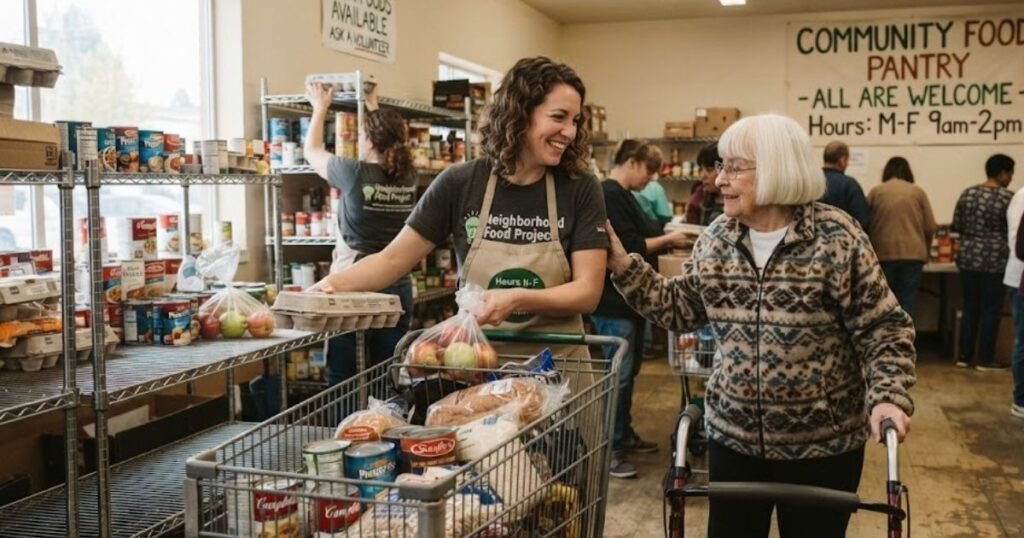
What Is Emergency Financial Assistance for Seniors?
Emergency financial assistance for seniors refers to programs that help older adults cover urgent, unexpected expenses things like an overdue utility bill, a looming eviction, a broken appliance, or a medical cost that can’t wait. It’s different from long-term retirement income or investment planning; this is short-term, targeted help meant to prevent a crisis from spiraling.
Broadly, this assistance falls into two categories:
- One-time or short-term assistance — a single payment toward a utility bill, a rental deposit, or a home repair, meant to resolve an immediate crisis.
- Ongoing benefits — monthly support such as SNAP food assistance, Medicaid, or Supplemental Security Income (SSI), which provide continuing financial stability rather than a single fix.
These programs come from four main sources:
- Federal programs, run or funded by agencies like the Social Security Administration (SSA), USDA, and Department of Health and Human Services (HHS).
- State and local programs, often administered through state aging offices or county human services departments.
- Nonprofit and faith-based organizations, which frequently step in when government funds run short or don’t cover a particular need.
- Utility and industry-specific hardship programs, offered directly by companies such as electric, gas, and phone providers.
Eligibility generally depends on age (often 60 or 65+), income, household size, and sometimes disability status. Many programs are designed so you can apply for several at once applying for one doesn’t disqualify you from another.
READ MORE: $3000 Senior Assistance Program Application
Common Financial Emergencies Seniors Face
Some of the most frequent financial emergencies among older adults include:
- Rent increases or past-due rent
- Mortgage payments falling behind
- Utility shutoff notices (electric, gas, water)
- High prescription drug costs
- Unexpected medical or dental bills
- Urgent home repairs (roof, heating, plumbing)
- Rising grocery costs on a fixed income
- Transportation costs for medical appointments
- Costs tied to caregiving for a spouse or family member
- Damage from storms, floods, or other natural disasters
- Funeral and burial expenses
Any one of these can strain a fixed monthly income built around Social Security or a small pension. The good news: for nearly every item on this list, there’s a program designed to help.
Federal Emergency Assistance Programs
Federal programs form the backbone of senior financial assistance in the U.S. Here’s an overview of the major ones:
| Program | What It Helps With | Who Typically Qualifies | How to Apply |
| Supplemental Security Income (SSI) | Monthly cash for basic needs like food and shelter | Adults 65+ (or blind/disabled) with limited income and resources; federal payment is $994/month for an individual and $1,491/month for a couple as of 2026 | Apply online, by phone, or in person at ssa.gov/ssi |
| SNAP (food stamps) | Groceries and food purchases | Seniors 60+ get simplified rules — no gross income test, and unlimited deduction for shelter costs above 50% of income | Apply through your state SNAP agency |
| LIHEAP | Heating and cooling bills, energy crises, weatherization | Households at or below roughly 150% of the federal poverty line or 60% of state median income; seniors are a priority group | Apply through your state or local LIHEAP office |
| Medicaid | Medical care, and often long-term care costs | Low-income seniors; income and asset limits vary by state | Apply through your state Medicaid agency |
| Medicare Savings Programs | Help paying Medicare premiums, deductibles, and coinsurance | Medicare beneficiaries with limited income and resources | Apply through your state Medicaid office |
| Medicare Extra Help (Part D Low-Income Subsidy) | Prescription drug premiums, deductibles, and copays | Medicare enrollees with income near or below 150% of the federal poverty level | Apply at ssa.gov/extrahelp or through Social Security |
| The Emergency Food Assistance Program (TEFAP) | Free groceries and food packages | Low-income households, distributed through local food banks | Contact your local food bank or state agency |
| Housing Choice Voucher (Section 8) | Rental assistance | Low-income households, including seniors; waitlists are common | Apply through your local Public Housing Agency (PHA) |
| FEMA Disaster Assistance | Temporary housing, home repairs after a federally declared disaster | Residents in a federally declared disaster area | Apply at DisasterAssistance.gov or call 1-800-621-3362 |
A few of these deserve extra detail:
SSI is a needs-based monthly benefit, not the same as Social Security retirement benefits, though many seniors receive both. The federal payment amount is adjusted each year for inflation and can be higher in states that add a supplement.
Medicare Extra Help can be worth thousands of dollars a year in reduced prescription costs, capping what you pay per prescription at just a few dollars once approved. Many eligible seniors never apply simply because they don’t realize they qualify it’s worth applying even if you’re unsure.
FEMA assistance only becomes available after a federal disaster declaration for your specific area, and it’s meant to supplement not replace insurance and other aid.
READ MORE: Free Financial Assistance for the Seniors & Elderly
State and Local Emergency Assistance Programs
Because many federal programs are funded through block grants, the exact benefit amounts, income limits, and application processes vary significantly by state. That’s where local agencies come in:
- Community Action Agencies (CAAs) operate in nearly every county and coordinate energy assistance, food programs, weatherization, and emergency funds.
- Area Agencies on Aging (AAAs) specifically serve older adults, offering everything from meal delivery to help navigating Medicare and finding local emergency grants.
- State senior assistance offices often maintain directories of state-specific grants and hardship funds.
- County emergency assistance funds may offer one-time grants for rent, utilities, or essential repairs.
- Utility hardship programs — many gas, electric, and water companies offer their own reduced-rate or emergency assistance programs, separate from LIHEAP.
- Property tax relief programs — many states and counties offer property tax deferrals, freezes, or exemptions for senior homeowners.
Because rules differ so much by location, the fastest way to find what’s available near you is to call 211, a free helpline that connects callers to local health and human services, or to contact your local Area Agency on Aging.
Nonprofit Organizations That Help Seniors Financially
When government programs are full, delayed, or don’t cover a specific need, nonprofit and faith-based organizations often fill the gap. Well-known examples include:
- The Salvation Army — emergency financial assistance for rent, utilities, and food, along with disaster relief.
- Catholic Charities — assistance available regardless of religious affiliation, covering rent, utilities, and basic needs.
- United Way / 211 — a referral network connecting seniors to local emergency assistance programs.
- Meals on Wheels — free or low-cost meal delivery for homebound seniors, which frees up income for other expenses.
- St. Vincent de Paul Society — local chapters often provide direct financial assistance and household goods.
- Local food banks — free groceries, often with no income documentation required.
- Community foundations — many maintain senior-specific emergency funds for one-time hardship grants.
These organizations typically offer smaller, one-time grants rather than ongoing monthly support, but they can move quickly sometimes within days which makes them valuable when a bill is due immediately.
READ MORE: Free Food for Seniors: Where to Find Help and Assistance
Emergency Help for Housing and Utility Bills
Housing and utility costs are among the most common triggers of a financial emergency for seniors. Here’s what’s available:
- Rent assistance — Emergency Rental Assistance programs, often run through local housing authorities or nonprofits, can cover past-due rent to prevent eviction.
- Mortgage relief — mortgage servicers are often required to discuss hardship options, including forbearance or repayment plans, before pursuing foreclosure.
- Eviction prevention — legal aid organizations can often intervene in eviction proceedings at no cost, and many courts have diversion programs specifically for hardship cases.
- Utility shutoff protection — many states restrict utility shutoffs for seniors or during extreme weather; contact your utility company directly to ask about protections and payment plans.
- Energy bill assistance — LIHEAP and state-funded energy funds can pay for heating and cooling costs directly, often sent straight to the utility company.
- Weatherization programs — free home upgrades like insulation and sealing can meaningfully lower future energy bills.
If you receive a shutoff notice, contact your utility company immediately — most have hardship or medical-necessity programs that can delay disconnection while you apply for assistance.
Emergency Food Assistance for Seniors
No senior should have to choose between food and other essentials. Options include:
- SNAP — as noted above, seniors 60+ benefit from simplified income rules that make qualification easier than many expect.
- Senior Farmers’ Market Nutrition Program (SFMNP) — coupons for fresh fruits, vegetables, and herbs at farmers markets.
- Commodity Supplemental Food Program (CSFP) — monthly food packages for low-income seniors 60 and older.
- Food pantries — local pantries typically require no proof of income and can provide immediate groceries.
- Meals on Wheels — delivered meals for homebound seniors, often on a sliding-scale or donation basis.
- Emergency food boxes — many churches and community centers keep boxes on hand for same-day need.
Medical and Prescription Assistance
Medical costs are one of the fastest ways a fixed income can be overwhelmed. Consider these resources:
- Medicare Extra Help — dramatically lowers Part D prescription drug costs for qualifying seniors.
- Medicaid — for low-income seniors, covers a wide range of medical services, and in many states, long-term care.
- Patient Assistance Programs — many pharmaceutical manufacturers offer free or reduced-cost medications directly to qualifying patients.
- Discount prescription programs — free coupon programs (such as pharmacy discount cards) can lower costs even without insurance.
- Charity care and hospital financial assistance — most nonprofit hospitals are required to offer financial assistance policies; ask the hospital’s billing office directly.
READ MORE: Emergency Car Payment Assistance: How to Get Help Fast
Emergency Cash Assistance
Direct emergency cash is harder to come by than in-kind help like food or utility credit, but it does exist:
- SSI can sometimes provide emergency advance payments in genuinely urgent situations, decided case by case through your local Social Security office.
- Local emergency grants through county human services departments or community foundations sometimes offer small one-time cash grants for a specific crisis.
- Charitable funds run by nonprofits like the Salvation Army or Catholic Charities may issue direct payments to a landlord or utility company on your behalf.
- Religious organizations — many churches, synagogues, mosques, and temples maintain benevolence funds for community members in crisis, regardless of membership.
A word of caution: if you see an ad online or receive a call promising a “free government cash grant” that requires you to pay a fee or provide your Social Security number upfront, it’s almost certainly a scam. Legitimate government assistance never requires payment to apply.
How Seniors Can Apply for Emergency Assistance
- Gather your documents before you start (see the list below) — having everything ready speeds up the process significantly.
- Verify eligibility for the programs that seem like the best fit, using each program’s official website or by calling 211.
- Contact local agencies — your Area Agency on Aging or Community Action Agency can often point you to several programs at once.
- Submit applications for every program you may qualify for; applying to one doesn’t reduce your chances with another.
- Follow up regularly — a quick phone call to check on your application status can prevent unnecessary delays.
- Appeal if denied — most programs have a formal appeals process, and denials are sometimes reversed once missing documentation is provided.
Documents You’ll Usually Need
Having these ready in advance can save days or weeks:
- Government-issued photo ID
- Social Security number or card
- Proof of income (Social Security award letter, pension statement, pay stubs)
- Benefit award letters (SSI, SSDI, VA benefits)
- Recent utility bills
- Lease agreement or mortgage statement
- Bank statements
- Medical bills or proof of prescription costs
READ MORE: Senior Utility Assistance Grants: Help With Bills for Older Adults
Tips to Get Help Faster
- Apply immediately — many programs, especially LIHEAP, operate on a first-come, first-served basis until funds run out.
- Call 211 for a free, personalized list of local resources.
- Contact your local Area Agency on Aging — they often know about smaller, lesser-known local funds.
- Ask utility companies directly about hardship or medical-necessity programs before a shutoff happens.
- Apply for multiple programs at once rather than waiting to hear back from one before trying another.
- Keep copies of everything you submit, including confirmation numbers and the names of people you speak with.
Common Scams Targeting Seniors
Financial emergencies can make anyone more vulnerable to scams, and fraudsters specifically target older adults. Watch out for:
- Fake government grants that ask for an upfront “processing fee”
- Advance-fee scams, where you’re asked to pay before receiving promised assistance
- Phone scams from callers claiming to be from Social Security, Medicare, or the IRS
- Identity theft attempts disguised as benefit “verification” calls or emails
- Fake charities, especially active after natural disasters
- Fraudulent benefit offers promising guaranteed approval for a fee
Safety tips: Real government agencies never ask for payment to apply for benefits, never demand gift cards, and never pressure you to act immediately over the phone. If you’re unsure whether an offer is legitimate, hang up and call the agency directly using a number you look up yourself — not one given to you by the caller.
Frequently Asked Questions
How can seniors get emergency financial assistance immediately?
Start by calling 211 or your local Area Agency on Aging. They can quickly connect you to local emergency funds, food pantries, and utility assistance programs that may be able to help within days rather than weeks.
What government programs help seniors with emergency expenses?
Key federal programs include SSI, SNAP, LIHEAP, Medicaid, Medicare Savings Programs, Medicare Extra Help, and FEMA disaster assistance (when applicable). State and local agencies often offer additional programs on top of these.
Can seniors receive emergency cash assistance?
Direct cash grants are less common than in-kind help, but options exist through SSI emergency provisions, local emergency funds, and charitable or religious organizations. Be cautious of any offer requiring an upfront fee.
Who qualifies for emergency financial assistance for seniors?
Eligibility varies by program but generally depends on age (often 60 or 65+), income level, and household size. Many programs use simplified rules for seniors, so it’s worth applying even if you’re unsure you qualify.
Where can seniors get help paying rent, utilities, or medical bills?
Rent help is often available through local Emergency Rental Assistance programs and legal aid for eviction prevention. Utility help comes through LIHEAP and utility hardship programs. Medical bill help is available through Medicaid, hospital charity care policies, and Patient Assistance Programs.
Final Thoughts
Financial emergencies happen to hardworking people every day, and asking for help is not a failure it’s a smart, practical step. Between federal programs like SSI, SNAP, and LIHEAP; state and local agencies; and nonprofit organizations ready to step in, there are more resources available than most seniors realize. Many of these programs can be combined, so don’t stop after applying to just one.
The most important step is simply to start: call 211 today, reach out to your local Area Agency on Aging, and begin gathering your documents. Help is out there, and it’s often closer and faster than you think.