Imagine your neighbor, Mrs. Gable. She has lived in her home for forty years. She knows every creak in the floorboards and every bloom in her garden. But lately, you’ve noticed her curtains stay closed longer. She doesn’t walk to the mailbox as often as she used to. You worry about her falling or just feeling lonely. This is a story playing out in neighborhoods all across the United States. As we get older, our homes, once places of total comfort, can become places of isolation or even danger.
The challenges are real. Many older adults face a “cliff” when it comes to health. One day they are fine, and the next, a single fall or a bout of depression changes everything. Chronic diseases like diabetes or heart issues can become harder to manage alone. Access to care can feel like a maze. Perhaps most hidden of all is the sting of social isolation, which can be as hard on the heart as smoking (National Institute on Aging, 2023).
This article is your roadmap to changing that story. We are going to talk about the Senior Wellness Pilot Program— Complete Guide. Think of it as a neighborhood “test drive” for better health. We will cover what these programs are and why they are the secret weapon for aging in place. You will learn how to design one from scratch, how to find the right partners, and how to measure if it’s actually working. Whether you are a homeowner looking out for your parents or a volunteer wanting to lift up your town, this guide is for you.
What is a Senior Wellness Pilot Program?
At its heart, a senior wellness pilot program is a short-term trial. It is a “test” version of a health or social service designed specifically for older adults. Instead of launching a massive, expensive city-wide program that might fail, you start small. You pick a specific group of people and a specific goal. You run it for a set amount of time, usually 8 to 12 weeks. Then, you look at the results to see if it’s worth making permanent.
The word “pilot” is the key here. It means you have permission to learn. You are trying to see if a specific idea helps people live better, safer lives at home. A senior wellness program that is permanent has steady funding and staff. A pilot is the experimental phase that proves the program works.
Concrete Examples
To make this real, let’s look at two different styles of pilots:
- The Home-Visit Fitness Pilot: Imagine a program where a trainer visits ten seniors in their own homes twice a week. They focus on balance and leg strength. The goal is to see if these ten people feel steadier on their feet after two months. This is a “wellness pilot for seniors” focused on physical safety.
- The Neighborhood Social Health Hub: A local church or community center opens its doors every Tuesday morning. They provide coffee, a light healthy snack, and a guest speaker on topics like brain health or scam prevention. The pilot tracks if the people who attend feel less lonely after the session ends.
Both of these are small. Both are focused. And both provide the “proof” needed to ask for bigger grants or city support later on.
READ MORE: HISA Grant for Veterans: How It Works & How to Apply
Top Goals & Outcomes to Expect
What does success look like? When you run a senior health pilot, you aren’t just “doing something nice.” You are looking for measurable changes. These changes help prove that the program has value. Here are the most common goals:
- Reduced Falls: This is a big one. Falls are a leading cause of injury for seniors (CDC, 2023). A good pilot can show that participants are tripping less or feel more confident walking.
- Improved Mobility: This means being able to get out of a chair easily or walk to the corner store. We measure this to see if people are maintaining their independence.
- Better Mental Health Scores: Many seniors struggle with “the blues” or anxiety. Pilots often aim to lower these feelings through social connection.
- Increased Social Engagement: This is simply the number of meaningful interactions a person has in a week. More chats with neighbors mean a stronger “social safety net.”
- Reduced ER Visits: This is the “gold standard” for funders. If a wellness program keeps a senior healthy, they are less likely to end up in the emergency room for preventable issues.
- Better Medication Management: Some pilots focus on helping seniors take their pills correctly and on time.
Who Should Run a Pilot? (Partners & Roles)
You don’t have to do this alone. In fact, you shouldn’t. A successful community wellness for seniors project works best when different people bring different skills to the table.
Key Partners
- Homeowners and Caregivers: They are the “boots on the ground.” They know the neighborhood and who needs help.
- Local Health Clinics: They can provide medical advice and help measure health changes safely.
- Area Agency on Aging (AAA): These are federally mandated offices in almost every county. They are experts in senior resources.
- Faith Groups: Churches, mosques, and synagogues often have the space and the volunteers ready to go.
- Parks & Rec Departments: They often have accessible buildings and experience running classes.
Roles and Responsibilities Matrix
| Role | Primary Responsibility |
| Program Coordinator | Manages the schedule, talks to participants, and keeps things on track. |
| Health Lead | Ensures all activities are safe and tracks health data (like blood pressure). |
| Outreach Volunteer | Knocks on doors, makes phone calls, and signs up neighbors. |
| Data Collector | Records attendance and helps participants fill out simple surveys. |
| Funder/Sponsor | Provides the small budget needed for snacks, equipment, or space. |
READ MORE: How to Get Paid as a Family Caregiver
Designing the Pilot — Step-by-Step
Designing a pilot is like building a house. You need a solid plan before you start swinging hammers. Follow these steps to build a program that lasts.
1. Conduct a Needs Assessment
Don’t guess what your neighbors need. Ask them. You can use a simple paper survey or just have conversations at the local library. Are people worried about falling? Are they lonely? Do they have trouble getting to the grocery store? This “needs assessment” is a formal way of saying “listening to the community.”
2. Set Clear, Small Goals
Instead of saying “we want to make everyone healthy,” try “we want to help 15 seniors improve their balance.” Use the SMART goal method. This means your goals should be Specific, Measurable, Achievable, Relevant, and Time-bound.
3. Choose Your Intervention
An “intervention” is just the fancy word for the activity you chose.
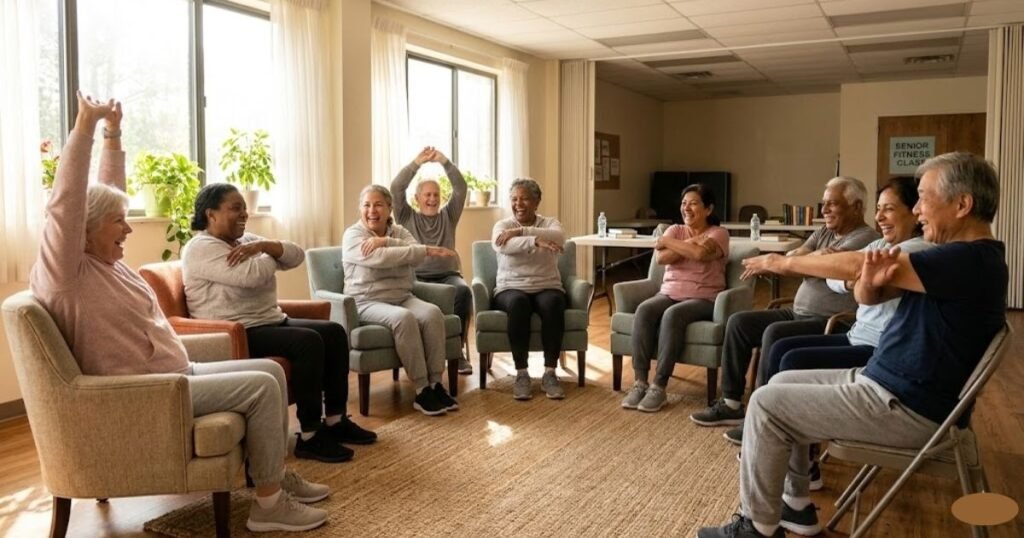
- Exercise: Yoga, Tai Chi, or simple chair stretching.
- Nutrition: Cooking classes for one or a healthy meal delivery “test.”
- Social Check-ins: A “friendly caller” program where volunteers call seniors twice a week.
- Home Modifications: A weekend where volunteers install grab bars or brighten lighting in five homes.
4. Determine Sample Size and Eligibility
Who can join? You might limit it to people over age 65 who live within two miles of the community center. Keeping the “sample size” small (10 to 20 people) makes the pilot easier to manage.
5. Create a Data Collection Plan
How will you know if it worked? You need to measure things at the start (the baseline) and at the end. Decide now if you will use surveys, physical tests, or attendance logs.
6. Get Consent and Ensure Safety
Safety is priority number one. Every participant should sign a simple consent form. This form explains what the program is and any risks involved. If you are doing physical exercise, ask them to check with their doctor first.
Recruitment & Eligibility
Finding participants for a senior wellness pilot program can be the hardest part. Many older adults are private. They may not want to admit they need help. You must approach recruitment with a “neighborly” spirit.
Outreach Channels
- Hyper-Local News: Use the neighborhood newsletter or the Nextdoor app.
- Physical Flyers: Put them where seniors go—the pharmacy, the post office, and the grocery store.
- Personal Invitations: A phone call or a knock on the door from a trusted neighbor works ten times better than a flyer.
- Doctor Referrals: Ask a local clinic to mention the program to patients who might benefit.
Screening and Accessibility
When someone expresses interest, use a “screening checklist.” This ensures they are a good fit for the program’s level of activity.
- Transportation: This is the #1 barrier for seniors. If they can’t drive, can you provide a volunteer shuttle? Or can the program come to them?
- Language: If your neighborhood has many Spanish or Mandarin speakers, your materials must be in those languages.
- Disabilities: Ensure the location is wheelchair accessible and has plenty of seating.
READ MORE: How Many Times Can I Use the SAH Grant?
Budget, Staffing & Equipment
You don’t need a million dollars to start a wellness pilot for seniors. You can do a lot with very little if you are creative.
Realistic Cost Ranges
- Small Neighborhood Pilot ($500 – $2,000): This covers basic supplies like resistance bands, printing flyers, and providing healthy snacks for a small group. It relies almost entirely on volunteers.
- Mid-Sized Community Pilot ($5,000 – $15,000): This might allow you to hire a part-time professional, like a certified fitness instructor or a nurse, for a few hours a week. It might also cover a small rental fee for a space.
- Clinic-Run Pilot ($20,000+): This usually involves paid medical staff, formal data analysis, and perhaps technology like tablets or wearable fitness trackers.
Budget Line Items to Consider
- Staff/Stipends: Even “volunteers” appreciate a small gas card or a thank-you lunch.
- Equipment: Yoga mats, weights, or blood pressure cuffs.
- Supplies: Folders, pens, and printed surveys.
- Insurance: Check if your local community center’s insurance covers the activity.
- Incentives: Small prizes or “graduation” certificates for those who complete the 12 weeks.
READ MORE: Senior Services in Grants Pass — Complete Guide to Help, Benefits, and Local Resources (2026)
Evaluation & Measurement: Metrics That Matter
If you want your pilot to grow, you need numbers. Numbers tell a story that funders love. You need to track “metrics,” which are just standard ways of measuring progress.
Primary Metrics to Track
- ADLs (Activities of Daily Living): These are basic tasks like dressing, bathing, and eating. A common survey tool is the Katz ADL scale.
- Falls: Ask participants how many times they have fallen in the last three months. Ask again at the end of the pilot.
- PHQ-2 or PHQ-9: These are very short, standard surveys used to check for symptoms of depression. “PHQ” stands for Patient Health Questionnaire.
- Attendance: If people keep coming back, it means they find value in the program.
- Participant Satisfaction: A simple “Did you enjoy this?” and “Would you recommend it?” goes a long way.
Metrics Table Idea
| Metric | Tool | Frequency | Target Goal |
| Mobility | Timed Up-and-Go (TUG) Test | Start & End | 10% faster time |
| Mood | PHQ-2 Survey | Every 4 weeks | Lower “sadness” scores |
| Social | Social Isolation Scale | Start & End | More weekly social visits |
| Safety | Self-Report Fall Log | Weekly | Zero falls during pilot |
Sample 12-Week Pilot Timeline
A 12-week schedule gives you enough time to see change without burning out your volunteers.
- Week 1: Intake & Baseline. Meet participants. Sign consent forms. Do the initial health and mood surveys.
- Weeks 2–5: The Intervention. Start the core activity (e.g., the walking club or the nutrition class). Focus on building a routine.
- Week 6: Mid-Point Check. Take a quick breath. Ask participants for feedback. Adjust the “dosage” of the activity if it’s too hard or too easy.
- Weeks 7–11: Continuation. Keep the momentum going. This is where the real health gains happen.
- Week 12: Wrap-Up & Final Assessment. Repeat the surveys from Week 1. Celebrate with a small “graduation” lunch.
- After Week 12: Reporting. Spend two weeks looking at the data. Write a one-page report on what happened.
READ MORE: Free Lawn Care For Seniors Near Me
Visuals & Comparison Models
To help you decide which pilot is right for your neighborhood, look at these three common models.
Comparison of Pilot Models
| Model Name | Target Population | Cost Estimate | Staffing | Best For |
| The Buddy System | Isolated seniors | Low ($) | All Volunteers | Reducing loneliness |
| The Active Aging Club | High-energy seniors | Medium ($$) | 1 Pro + Volunteers | Improving physical strength |
| The Safety First Home | Seniors at risk of falls | High ($$$) | Skilled Contractors | Preventing injuries |
Common Pitfalls & How to Avoid Them
Even the best-laid plans can hit bumps. Here are the most common “potholes” in a senior health pilot.
- Small Sample Size: If only two people sign up, you can’t really prove the program works.
- Remedy: Recruit 20% more people than you think you need, as some will inevitably drop out.
- Poor Recruitment Outreach: If you only post on Facebook, you will miss the seniors who don’t use computers.
- Remedy: Use “old school” methods like church bulletins and phone trees.
- Unclear Goals: If you try to do too much, you’ll end up doing nothing well.
- Remedy: Pick one main goal (like “reducing falls”) and stick to it.
- Weak Data Collection: If you forget to do the “before” survey, the “after” survey doesn’t mean much.
- Remedy: Assign one specific person to be the “Data Champion” who handles all paperwork.
READ MORE: Salvation Army Free Car Program (Eligibility & How to Apply)
Equity and Reaching the Underserved
We must ensure that senior wellness pilot programs reach everyone, not just those with the most resources. Low-income seniors often face the highest health risks but have the least access to programs.
To prioritize equity, consider a “sliding scale” for any fees—though most pilots should be free. Use volunteer transportation to reach those who live in “transit deserts.” If your pilot involves a community meal, make sure the food is culturally appropriate for the people living there. Reach out to local non-profits that already serve diverse populations to help build trust. Trust is the currency of wellness.
Ethics, Privacy & Compliance
When you run a pilot, you are handling people’s personal stories and health info. You must protect their privacy.
- Keep it Simple: Don’t collect social security numbers or deep medical histories unless you are a clinic.
- Secure the Data: Keep paper surveys in a locked drawer. If you use a computer, use a strong password.
- Follow the Rules: If you are partnering with a doctor, you must follow HIPAA (Health Insurance Portability and Accountability Act) rules. This is a federal law that protects medical privacy. For most neighborhood pilots, just being respectful and keeping names private is the best policy.
Sustainability & Scaling: From Pilot to Program
A pilot is a bridge to something bigger. Once your 12 weeks are up, what happens next?
- Analyze and Share: Create a simple one-page “Impact Report.” Show your partners and local leaders what you achieved.
- Seek Funding: Use your “proof of concept” (your pilot results) to apply for grants from community foundations or state aging departments.
- Build Partnerships: A local hospital might see your “reduced falls” data and decide to fund a full year of the program to save on their own ER costs.
- Volunteer Support: Sometimes, a pilot proves that the community loves the activity so much that they will keep it going themselves through a volunteer rotation.
Conclusion
You don’t need to be a doctor or a politician to start a senior wellness pilot program. You just need to be a neighbor who cares. Aging in place is a beautiful goal, but it requires a community to make it safe and joyful. By testing a small program today, you are building the foundation for a healthier tomorrow for the seniors in your life.
Your next step: This week, talk to three neighbors or friends. Ask them what the biggest health or social challenge is for the older adults in your area. Use that one piece of information to start planning your 12-week pilot. Whether it’s a walking group, a meal share, or a safety check, the best time to start is now.
FAQ Section
What is a senior wellness pilot program?
A senior wellness pilot program is a short-term, small-scale project that tests health and well-being activities for older adults. Pilots test ideas like home exercise, social check-ins, or meal delivery to see what works before expanding.
How do I start a senior wellness pilot in my neighborhood?
Start by meeting neighbors to identify needs, set clear goals, pick an 8–12 week activity, recruit 10–30 participants, and track simple outcomes (attendance, mood, falls). Partner with a local clinic or Area Agency on Aging for guidance and safety screening.
Who is eligible for senior wellness pilot programs?
Eligibility varies, but pilots usually target older adults who live in the community, have mobility or social needs, or are at risk of isolation. Screen for safety, cognitive capacity, and care needs. Include caregivers when possible.
How much does a senior wellness pilot program cost?
Costs vary widely. A low-cost neighborhood pilot can run on volunteer time and $1,000–$5,000 for supplies and minor supports. A clinic-run pilot with staff may cost $10,000+. Budget for staffing, supplies, transport, and evaluation.
How do you measure success in a senior wellness pilot?
Use simple, repeatable metrics: attendance, self-reported wellbeing (short survey), functional measures (Timed Up and Go), fall counts, and participant satisfaction. Compare baseline to mid- and end-pilot measures and collect short participant stories.