Pets can provide emotional support, companionship, and purpose beyond being just animals to many senior persons. However, given the financial load of pet care-such as food, vet visits, grooming, and medication-it becomes difficult for low-income seniors to support their pets.
There are nonprofit organizations, government programs, and community initiatives that provide elder care for keeping pets happy and healthy. Such services could include pet food assistance, discounted or even free veterinary services and grooming, and volunteer help with dog-walking and litter box cleaning.
A program that facilitates affordable pet care for seniors thus helps strengthen the bond between them and their pets and contributes to enhancing both the latter’s mental and physical well-being, while simultaneously relieving some financial burden.
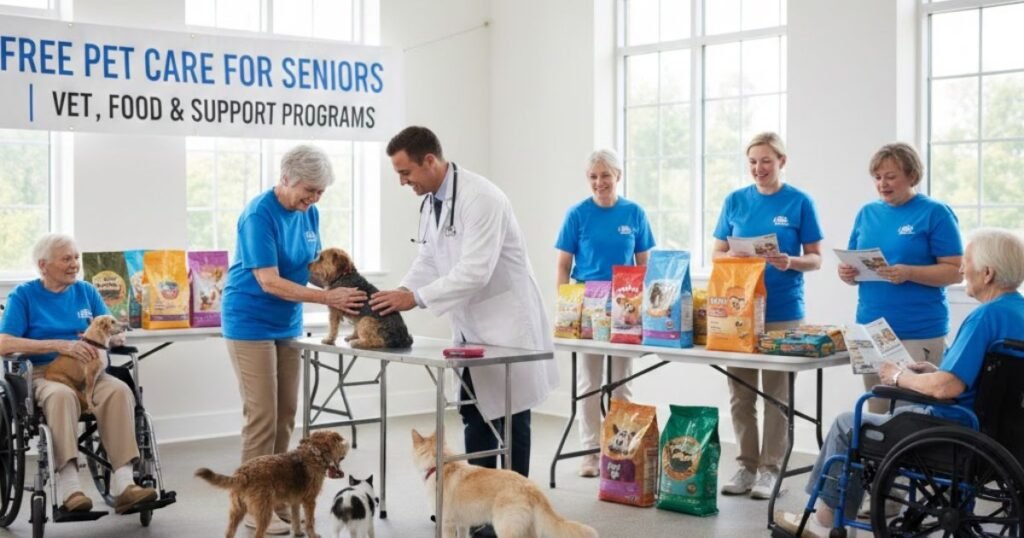
10 Best Free Pet Care for Seniors
1. Local Meals on Wheels Programs
There are lots of local Meals on Wheels programs offer pet care assistance to homebound senior clients so that they can care for their precious pets without the burden of extra costs. These programs help supply such essentials as pet food, cat litter, and many other necessities, as well as provide veterinary care and temporary boarding services.
In addition to supplying pet-care necessities, many local programs train volunteers to assist with actual care of the pets. Such volunteers can walk dogs, drive seniors and their pets to grooming appointments or veterinary appointments, and provide other assistance to keep pets happy and healthy, even those with limited mobility.
Key Services Provided
| Service | Description |
| Pet Food & Supplies | Free pet food, kitty litter, and other necessary items. |
| Veterinary Care | Assistance with vet visits, wellness exams, and boarding. |
| Volunteer Support | Volunteers walk dogs and provide transportation for grooming and vet appointments. |
In 2022, Meals on Wheels America awarded grants worth over $ 500,000 to more than 60 local Meals on Wheels programs, and all this was done in collaboration with PetSmart Charities to help provide access to veterinary services for seniors and their pets.
To find out what services are available in your area, you may contact your local Meals on Wheels program to inquire about their pet-care services available.
2. CareCredit
CareCredit provides health and wellness credit cards specifically for people who want to plan for their expenses and for seniors to afford taking care of their pets. While CareCredit does not help with free services for taking care of pets, it offers some financing options to manage costs related to pet health and pet well-being.
Features of CareCredit for Pet Care:
- Broad Coverage: Besides routine check-ups and vaccinations, dental cleaning, emergency treatment, surgery, etc., CareCredit covers just about every kind of veterinary service available.
- Flexible Financing: Pet owners can take care of their veterinary expenses over time through promotional financing options provided on the card, with credit approval.
- Widespread Acceptance: This is what makes it possible to become a convenient payment method for all kinds of expenses related to the pet, with thousands of veterinary practices and pet care providers affiliated with it across the United States.
3. RedRover
Thus, it is a nonprofit organization in the USA providing financial support to pet guardians having economic hardships with urgent veterinary care, including seniors.
Key Features of RedRover:
- Urgent care grants: The grants that RedRover provides typically average around $250 to help with care needed for life-threatening injuries or illnesses requiring immediate care. Eligible factors include total household income not exceeding $60,000 per year and the need for urgent veterinary care.
- Financial Resources/Assistance: Other than grants, RedRover also has resources referri ng to financial assistance options pet owners can explore for their pets’ vie try needs.
4. Pet Fund
USA-based nonprofit The Pet Fund proceeds an aid to pet owners, including seniors, for getting veterinary care which is not basic or immediate. Some major treatments include oncological procedures, heart disease therapies, and treatments for chronic conditions. The grants are $500 maximum and paid directly to the clinics.
Key Features of Assistance Offered by The Pet Fund:
- Financial Grant-in-Aid- It is a source of grant up to $500 for use on non-emergency and non-routine veterinary care.
- Eligibility requirements -Pet owners must own their animals for not less than the previous six months, prove financial incapacity of taking care of the animal, show that the pet is diagnosed with a potentially fatal condition, having prognosis of survival beyond six months in about 50% of cases
- Application process: Before applying, one must contact The Pet Fund via email to learn about current wait times and eligibility criteria. After an initial phone consultation, applications are processed.
5. Local Animal Shelters and Vaccine Clinics
Animal shelters are lifesavers for senior citizens who need help caring for their pets. Many shelters also organize vaccine days and give information about pet clinics that provide low-cost vaccinations and veterinary treatment. Public schools and universities that have veterinary schools might provide pet care services, usually at a lesser price.
With these services, pets receive care from the vet that really makes a difference for elderly folks on a fixed income. Services offered by these shelters and clinics include:
- Vaccines
- Spays neuters
- Basic health check-ups
6. Veterinary School
Most of the veterinary schools in the USA offer free or very low-cost pet care for elderly people at their teaching clinics where veterinary students are supervised by their faculty or trained practitioners. The training process for students, affords the patient with more affordable veterinary services.
Key Features of Veterinary School Assistance:
- Low-Cost Services: Veterinary schools provide routine services like veterinary examinations, vaccinations, spaying/neutering, and dental cleanings for much lower fees performed by students under the supervision of licensed veterinarians.
- Specialty Care: Most veterinary schools provide specialized treatment for conditions that require surgery or long-term care, usually at significantly lower prices compared to a private practice.
- Advanced Care Access: Senior pet owners could even gain access to state-of-the-art treatments and technologies that they would otherwise have trouble affording.
7. Paws 4 A Cure
Paws 4 A Cure is a non-profit organization that provides monetary assistance to individuals who cannot afford the veterinary care of their pets, includingfor the seniors. It provides treatment for different diseases and injuries in dogs and cats, regardless of the breed, age, or the diagnosis of the pet.
Paws 4 A Cure Assistance Features:
- Financial Assistances: Provides such grants as one-time grants of up to $400 to help cover nonroutine veterinary expenses for the pets.
- Eligibility Criteria: This includes people and seniors facing financial hardship because the applicants should submit documentation stating their financial need and needs access to the treatment from a licensed veterinarian. Treatment is available for dogs and cats whose ailments may include several illnesses and injuries.
- Application Procedure: Call your veterinarian practice to enroll in their financial assistance partnership. If a candidate becomes eligible, he or she should complete and submit an application form with the necessary documentation. Decisions will be made according to determining factors such as medical urgency and available funds.
8. Grocery and Drug Store Events
For example, such custodial services are being organized by grocery and drug stores. They include services like administering pet vaccinations or microchipping and even providing sample pet foods, pet treats, etc. The state’s event by Texas grocery chain H-E-B that offer pet care events throughout the state is just an example of this.
To provide the seniors in whatever neighborhood some vital necessary pet care at whatever familiar and easy reaches, these events are convenient. Services that may occur in such events include, for example:
- Shot puppies and kittens
- Adult care vaccination packages
- Individual vaccines
- Microchipping
9. Pet Help Finder
Pet Help Finder is an internet service that provides situations for pets at zero cost for owners, even senior citizens, in search of budget-friendly pet care services across America. Pet Help Finder puts all potential pet users in touch with economical veterinary care, pet food supply, temporary medical housing, grooming services, behavioral therapies, and travel assistance.
How to Use Pet Help Finder:
- Access the Platform:
- Visit the Pet Help Finder website.
- Visit the Pet Help Finder website.
- Search for Services:
- Enter your location or ZIP code to discover available pet care resources in your area.
- Explore Available Resources:
- Browse through the list of services, which may include low-cost veterinary clinics, pet food banks, and organizations offering free or subsidized pet care for seniors.
- Contact Providers:
- Reach out to the listed organizations to inquire about services, eligibility criteria, and appointment scheduling.
Extra Help:
The United Way 211 service collaborates with Pet Help Finder to provide complete support. By dialing 211, seniors can speak with local representatives who direct them to information about pet care resources, financial assistance, and other community services.
10. Volunteer Services
Numerous local groups coordinate volunteers to help seniors with pet care. These services can include dog walking, transportation to grooming and veterinary appointments, and perhaps even in-home pet care. Volunteers are essential in helping seniors keep the health and well-being of their pets without the additional anxiety of doing it by themselves.
Final Verdict
These days, especially for elderly citizens who want to keep their companions but are challenged by issues such as financial constraints and physical incapacity, easy access topet care services of a free or subsidized nature could have far-reaching effects. Through free services for pets from veterinary care to pet food and supplies, programs lessen the burden on seniors so that the animals can receive adequate care for happy and healthy lives.
By doing this, programs not only benefit the health of the animals but also improve the emotional and physical health of seniors, who gain companionship and support through their pets. Thanks to community support and available resources, seniors will carry on with their pet enjoyment free from the added burden of financial crisis.
FAQs
1️⃣ Can seniors really get free pet care in the U.S.?
Yes. Many nonprofit organizations, animal shelters, and government-supported programs offer free or low-cost pet care for seniors. These programs may include veterinary visits, vaccinations, pet food, grooming, and emergency assistance for low-income seniors.
2️⃣ What types of free pet care are available for seniors?
Free pet care for seniors can include basic veterinary care, spay and neuter services, vaccinations, pet food banks, grooming assistance, flea prevention, and temporary foster care during medical emergencies or hospital stays.
3️⃣ How can seniors apply for free veterinary care for their pets?
Seniors can apply by contacting local animal shelters, nonprofit pet assistance organizations, senior service agencies, or calling 2-1-1. Most programs require proof of age, income eligibility, and pet ownership.
4️⃣ Are there pet food assistance programs for low-income seniors?
Yes. Many communities offer free pet food banks specifically for seniors. These programs are often run by animal welfare nonprofits, food pantries, and senior centers to help older adults keep and care for their pets.
5️⃣ Do Medicare or Medicaid cover pet care for seniors?
No. Medicare and Medicaid do not cover pet care costs. However, seniors can receive free pet care through charities, animal welfare groups, and local support programs designed to help older adults afford pet expenses.