When Carol’s daughter suggested she try a wearable to keep an eye on her sleep and heart rate, Carol pictured something bulky and confusing one more gadget with a manual she’d never read. She was surprised to learn that some of the most popular wellness wearables right now aren’t watches at all. They’re rings.
For many older adults, a smart ring is an easier entry point into health tracking than a smartwatch. It’s small, light, and easy to forget you’re wearing, with no screen to squint at or tap by accident. It’s comfortable enough to sleep in which is when a lot of useful data gets collected and it quietly tracks trends in heart rate, sleep, and activity in the background. Several well-reviewed models charge once a week or less, and some require no ongoing app subscription at all.
This guide compares five mid-range smart rings currently sold in the U.S. for under (or close to) $200: then helps you figure out which one, if any, actually fits your needs. Lets deep dive into “Best Affordable Smart Ring Under $200 for Seniors | Top Picks, Cost & Comparison”
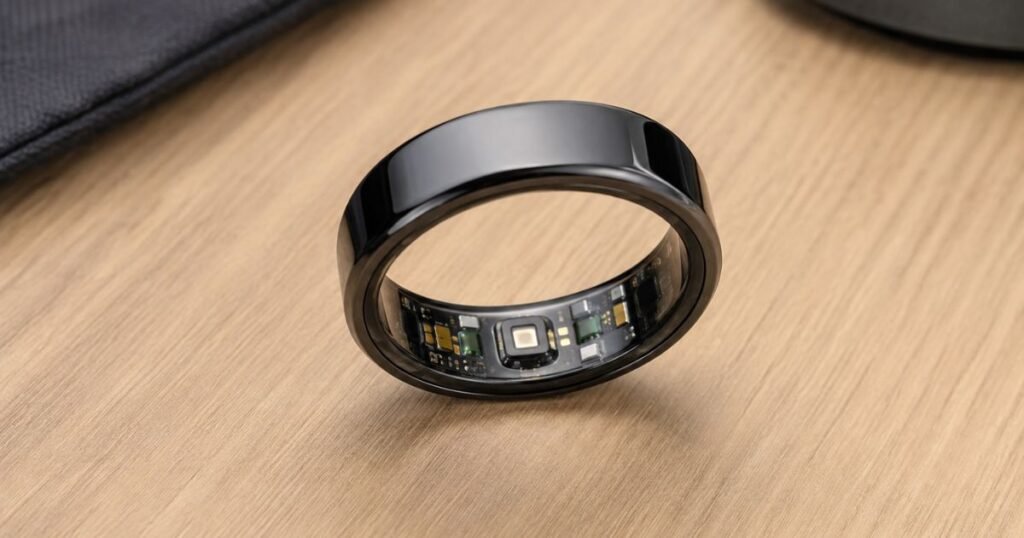
What Is a Smart Ring and How Does It Work?
A smart ring is a lightweight, screenless wearable device packed with miniaturized microelectronics designed to rest flush against the skin of your finger. Instead of relying on a bright display screen, the ring collects continuous health signals and transmits them via low-energy Bluetooth to a companion app on your iPhone or Android smartphone.
The underlying technology relies on a few core components:
- Optical PPG Sensors: These tiny light-emitting diodes (LEDs) shine light into the micro-capillaries of your finger to detect changes in blood volume. This process measures your heart rate and heart rate variability (HRV)—a key indicator of body stress and physical recovery.
- Pulse Oximetry (SpO2) Sensors: By measuring how light absorbs through circulating blood, these sensors estimate your blood oxygen saturation levels, which are particularly helpful to watch during overnight rest.
- Skin-Temperature Sensors: Micro-thermistors detect subtle variations in skin temperature, helping highlight potential shifts in rest quality or early physical strain.
- 3-Axis Accelerometers: Motion sensors track physical activity, daily step counts, and overnight movement patterns to distinguish between light, deep, and REM sleep cycles.
Think of a smart ring as a quiet partner working behind the scenes. While you garden, walk the neighborhood, or sleep, the ring gathers continuous data and translates it into clear, simple visual charts on your phone’s screen.
Health & Accuracy Disclaimer: Smart rings are consumer wellness devices intended solely for lifestyle, fitness, and trend monitoring. Unless explicitly cleared as a medical device by the U.S. FDA, a smart ring cannot diagnose, treat, prevent, or cure any medical condition. If you notice unusual health patterns or feel unwell, always consult a qualified healthcare professional.
READ MORE: Best 5 Smart Rings for Seniors | Cost & Comparison
Are Smart Rings a Good Choice for Seniors?
Choosing between a smart ring and a traditional fitness tracker comes down to personal comfort, daily habits, and tech familiarity.
Key Advantages for Older Adults
- Comfortable Overnight Wear: Many seniors find bulky wristwatches uncomfortable to wear in bed. Smart rings are light, smooth, and rarely snag on bedding.
- Screen-Free Simplicity: Without a bright screen, there are no confusing menus, tiny text options, or accidental swipes to worry about.
- Infrequent Charging: While most smartwatches must be charged every 24 to 48 hours, many smart rings last between 5 and 10 days on a single charge.
- Discreet Health Monitoring: A smart ring looks like a standard band, allowing you to track health metrics without wearing an obvious fitness device.
Potential Drawbacks to Keep in Mind
- Smartphone Dependence: Because the ring itself lacks a screen, you must view all health insights, step counts, and sleep scores on a paired smartphone or tablet.
- Precise Sizing Requirements: Smart rings cannot be adjusted like watch straps. You must use a manufacturer sizing kit to ensure a snug fit that guarantees accurate sensor readings.
- Small Hardware Components: Placing a tiny ring on its magnetic charging dock requires basic hand dexterity, which may present a challenge for individuals with advanced arthritis.
- No Emergency Alert Systems: Standard smart rings do not offer built-in fall detection, cellular calling, or panic buttons.
READ MORE: Best Health Tracking Smartwatch for Seniors — Top 8 Picks Compared
5 Best Affordable Smart Ring Under $200 for Seniors
1. RingConn Gen 2 Air Ultra-Thin Smart Ring
- Best Feature: Exceptional 10-Day Battery Life
- Material: Stainless Steel Outer Shell
- Weight: 2.5g – 4.0g
- Water Rating: IP68 / 50m
- Subscription: None
The RingConn Gen 2 Air stands out as one of the most reliable sub-$200 smart rings available. Engineered with a focus on battery performance and light weight, it provides a seamless experience for older adults who prefer low-maintenance technology.
Key Features & Comfort
Weighing between 2.5 and 4 grams depending on the size, the Gen 2 Air feels virtually weightless once placed on your finger. Constructed with a stainless steel shell and smooth inner resin, it sits comfortably against the skin without pinching or catching on clothes.
Health & Sleep Monitoring
Equipped with optical PPG, skin temperature, and 3-axis motion sensors, the RingConn Gen 2 Air tracks continuous heart rate, heart rate variability (HRV), blood oxygen (SpO2), and daily movement. Its overnight sleep analysis is particularly detailed, breaking down light, deep, and REM sleep stages alongside skin temperature trends.
Battery Life & Daily Practicality
One of this ring’s standout features is its battery life: a single charge lasts up to 10 days under typical usage. The companion app works on both iOS and Android without requiring a paid subscription. Health dashboards are laid out with clear graphs and color-coded scores, making daily trends easy to interpret at a glance.
- Pros: Outstanding 10-day battery life; lightweight, comfortable construction; completely subscription-free.
- Cons: Basic step-tracking metrics compared to high-end sports watches.
- Best For: Seniors who want maximum battery life and an intuitive app without recurring monthly fees.

2. Opove O Ring Smart Ring
- Best Feature: Lightweight Titanium Build
- Material: Titanium Alloy Outer Shell
- Weight: ~3.0g
- Water Rating: 5 ATM (50m)
- Subscription: None
The Opove O Ring provides a balanced approach to wellness tracking, combining a durable titanium alloy build with straightforward app analytics.
Key Features & Comfort
Built with an outer titanium alloy layer, the Opove O Ring balances structural durability with a lightweight feel. The inner contour is polished smooth to accommodate sensitive skin and slight finger swelling throughout the day.
Health & Sleep Monitoring
The O Ring features continuous PPG optical sensing to log heart rate, HRV, blood oxygen, and surface skin temperature variations. Overnight sleep analysis provides an overall Sleep Quality Score alongside breakdowns of sleep depth, helping users monitor recovery trends over time.
Battery Life & Usability
The ring delivers 5 to 8 days of battery life per charge, depending on your active sensor frequencies. It holds a 5 ATM water resistance rating, meaning you don’t need to take it off while washing hands, doing dishes, or swimming. The companion mobile app operates without subscription paywalls, displaying daily health trends in clean typography.
- Pros: Durable titanium construction; 5 ATM water resistance rating; no monthly subscription.
- Cons: Requires precise sizing using their proprietary kit to avoid loose fits.
- Best For: Active seniors looking for a sturdy, waterproof smart ring that handles daily household chores and water activities with ease.

3. ELENVA Smart Ring Health Tracker (Model TM22)
- Best Feature: Affordable Entry-Level Tracking
- Material: Stainless Steel Shell
- Weight: ~3.5g
- Water Rating: 5 ATM (50m)
- Subscription: None
The ELENVA TM22 Smart Ring focuses on essential health monitoring, delivering core tracking metrics at a wallet-friendly price point.
Key Features & Sensor Performance
The TM22 uses a standard stainless-steel casing equipped with green and red optical light sensors. It continuously samples resting heart rate, pulse oxygenation levels, surface temperature, and daily step counts.
Sleep & Daily Tracking
While its sleep-stage analytics are slightly simpler than higher-end competitors, the TM22 accurately identifies sleep and wake times, providing a dependable picture of total sleep duration and restful periods. Its 5 ATM water resistance allows for continuous wear throughout everyday tasks.
App Usability & Value
The companion app focuses on simplicity, presenting larger text buttons and uncluttered data dashboards that suit beginners well. Expect 4 to 6 days of runtime per charge.
- Pros: Budget-friendly price point; straightforward app setup; no monthly fees.
- Cons: Shorter battery life compared to top-tier models; basic fitness tracking software.
- Best For: Tech beginners who want simple, easy-to-read sleep and heart rate trends without paying for overly complex features.
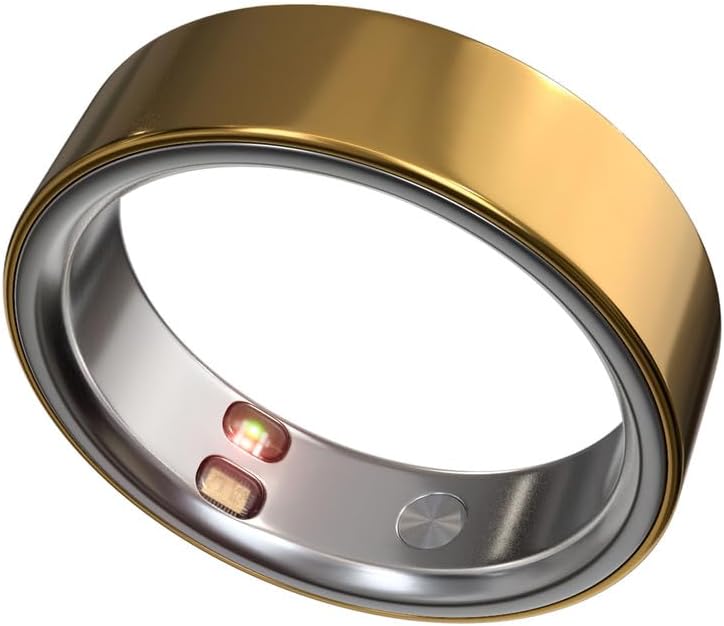
4. POBOVi Gen 2 Titanium Smart Ring
- Best Feature: Ergonomic Fit & Multi-Sensor Integration
- Material: Lightweight Titanium
- Weight: ~3.0g
- Water Rating: IP68 / 100m
- Subscription: None
The POBOVi Gen 2 Titanium Smart Ring brings premium materials to the under-$200 category, pairing a lightweight titanium build with comprehensive health monitoring.
Key Features & Ergonomics
Featuring an outer titanium build, the POBOVi Gen 2 keeps weight to a minimum while protecting internal sensors. Its inner surface is designed to maintain steady contact with skin capillaries without pressing uncomfortably against the finger.
Health & Sleep Insights
The POBOVi Gen 2 continuously monitors heart rate, HRV, SpO2 levels, and daily movement. Its sleep algorithms track overnight respiration patterns alongside light and deep sleep stages, helping users spot potential sleep disruptions early.
Battery Performance & App Experience
Larger sizes (such as sizes 11 and 12) reach up to 7 days of battery performance, while smaller sizes average 5 days. The companion app requires no recurring subscription fees and provides clear trend summaries without overly complicated technical jargon.
- Pros: Solid titanium outer body; multi-sensor sleep and breathing trend tracking; strong water-resistance protection.
- Cons: Battery performance varies notably between ring sizes.
- Best For: Seniors seeking a durable titanium build paired with comprehensive overnight sleep tracking.

5. Amazfit Helio Smart Ring
- Best Feature: Deep Health & Recovery Analytics
- Material: Titanium Alloy
- Weight: ~3.8g
- Water Rating: 10 ATM (100m)
- Subscription: Free Tier
The Amazfit Helio Ring brings detailed health analytics into a lightweight package, serving as an attractive choice for active seniors.
Key Features & Build Quality
Crafted from a lightweight titanium alloy, the Helio Ring is designed for extreme durability and rated at 10 ATM water resistance. This high waterproof rating makes it fully safe for lap swimming, hot showers, and water sports.
Health Tracking & Zepp Ecosystem
Operating on Amazfit’s established Zepp App platform, the Helio Ring collects detailed heart rate, HRV, SpO2, and sleep recovery metrics. The app generates a daily “Readiness Score,” which gives older adults a clear, simple visual indicator of whether their body is well-rested or needs additional recovery time.
Availability & Battery Considerations
The ring delivers roughly 4 days of battery life per charge—slightly shorter than competitors in this price tier, but offset by fast charging speeds.
Important Availability Note: Third-party vendor availability and direct support for the Amazfit Helio Ring in the U.S. market can fluctuate. Buyers should verify current pricing, warranty terms, and stock directly with authorized retailers before purchasing.
- Pros: Advanced readiness and recovery metrics; 10 ATM waterproof rating; well-supported Zepp application.
- Cons: Shorter battery life (around 4 days); periodic availability shifts in the U.S. market.
- Best For: Active seniors who already use Amazfit devices or want detailed daily recovery insights.

READ MORE: Power Lift Recliner Chair for Elderly: Top Picks, Review & Comparison
Comparison Table: 5 Best Smart Rings Under $200 for Seniors
| Smart Ring | Approx. Price | Battery Life | Health Tracking | Sleep Tracking | Water Resistance | App/Phone Compatibility | Subscription | Best For |
| RingConn Gen 2 Air | $199–$200 | Up to 10 days | HR, HRV, SpO2, temp, stress, activity | Detailed, with AI insights | 100m / 10 ATM | RingConn app, iOS & Android | No | Longest battery life |
| Opove O Ring | ~$190–$200 (check current listing) | 5–8 days | HR, HRV, SpO2, temp, stress, cycle | 4-stage breakdown | 5 ATM | opove app, iOS & Android | No | Sleep and stress tracking |
| ELENVA TM22 | $139.99 | 2–5 days | HR, SpO2, temp, stress, cycle | 4-stage breakdown | 5 ATM | Elenva app, iOS & Android | Not clearly specified — confirm before buying | Budget option |
| POBOVi Gen 2 Titanium | $149 | 5–7 days | HR, HRV, SpO2, sleep breathing, stress | Detailed, with breathing rate | 100m / 10 ATM | POBOVi app, iOS & Android | No (HSA/FSA eligible) | Beginners, lightest ring |
| Amazfit Helio Ring | $199.99 | Up to 4 days | HR, SpO2, temp, EDA stress | Solid, syncs with Amazfit watches | 10 ATM | Zepp app, iOS & Android | No | Active seniors |
Which Smart Ring Is Best for Seniors?
- Best Overall: RingConn Gen 2 Air. It combines the longest battery life here, a wide size range (6–14), no subscription, and a well-reviewed, easy-to-use app a strong all-around package for anyone who wants dependable tracking without extra fuss.
- Best for Long Battery Life: RingConn Gen 2 Air. Ten days per charge turns charging into a once-a-week chore rather than a daily one.
- Best for Sleep Tracking: Opove O Ring. Its four-stage sleep breakdown, paired with round-the-clock stress and temperature data, gives a fuller nightly picture than most rings at this price.
- Best for Beginners: POBOVi Gen 2 Titanium. At just 2–3 grams, it’s the lightest and least noticeable ring here, promises no future subscription fees, and is HSA/FSA eligible.
- Best Budget Option: ELENVA TM22. At $139.99, it undercuts every other ring in this guide while still offering a full set of health metrics plus a built-in vibration alert.
- Best for Active Seniors: Amazfit Helio Ring. Its EDA stress sensor and Zepp ecosystem integration suit anyone who already owns an Amazfit smartwatch, though shorter battery life and limited sizing are worth weighing first.
READ MORE: Best Wireless Earbuds for Senior Runners: Top Picks
What Should Seniors Look for When Buying a Smart Ring?
1. Comfort and weight:
A ring you’ll wear to bed needs to disappear on your finger. Most rings here weigh under 4 grams, but comfort also depends on the internal sensor shape, so check a few reviews focused on overnight wear.
2. Ring size:
Never guess your smart ring size from jewelry you already own — smart rings fit differently. Order a sizing kit when offered (RingConn, Opove, and POBOVi all sell them) and wear the test ring a full day, since fingers can swell by evening.
3. Battery life:
Charging every 2–5 days requires more of a routine than charging once every 7–10 days. If remembering to charge a small device sounds stressful, prioritize the longer-battery options.
4. Health sensors, in plain English:
heart rate is your pulse; HRV is the small variation in time between heartbeats, often used as a stress and recovery marker; SpO2 estimates blood oxygen; skin temperature reflects small shifts tied to sleep or illness; and the accelerometer senses motion for steps and activity.
5. Sleep tracking:
Rings estimate time spent in light, deep, and REM sleep, then combine that into a nightly score useful for spotting trends, like consistently short deep sleep, rather than precise, lab-grade measurements.
6. Water resistance:
“Splash resistant” handles rain or a few drops; a 5 ATM or IP68 rating handles showering, handwashing, and swimming. Every ring here meets at least the 5 ATM standard.
7. App simplicity:
This matters enormously. Before buying, look up screenshots or a short review video to check font size, dashboard clutter, and how many taps it takes to see last night’s sleep.
8. Subscription fees, privacy, and support:
A $199 ring with no monthly fee can cost less over several years than a cheaper ring with a $5–$10 monthly charge. Every ring here is currently marketed as subscription-free, though it’s worth double-checking before ordering. It’s also worth a quick look at each manufacturer’s privacy policy and how to reach customer support if something goes wrong this matters more with newer brands like ELENVA and POBOVi than with established names like RingConn or Amazfit.
Smart Ring vs. Smartwatch for Seniors
| Feature | Smart Ring | Smartwatch |
| Comfort while sleeping | Excellent — light, low-profile | Often bulky; some find it uncomfortable |
| Screen | None | Yes, with notifications and menus |
| Battery life | Typically 2–10 days | Typically 1–7 days, often shorter |
| Health tracking | Strong for sleep, HR, HRV, SpO2 | Strong overall, more workout modes |
| Notifications | Minimal, sometimes vibration only | Full call, text, and app alerts |
| Emergency features | Rare — check each product carefully | More common (some have SOS/fall detection) |
| GPS | Not typically included | Often included on higher-end models |
| Ease of use | Very simple; nothing to press | Requires learning screen navigation |
| Exercise tracking | Basic to moderate | Usually more detailed |
| Discreet design | Very discreet, looks like jewelry | Visible, more obviously a device |
| Senior friendliness | High for simplicity-focused users | High for those wanting alerts and GPS |
READ MORE: 8 Best Light Lawn Mower for Seniors: Review & Comparison
Are Smart Rings Accurate?
Smart rings collect health measurements from the digital arteries on the palm side of the finger, where skin contact is consistent and capillary blood flow is easy to read.
Sensor accuracy depends on several practical factors:
- Proper Ring Fit: If a ring is too loose, ambient light can seep into the optical sensors, causing inaccurate heart rate or SpO2 readings.
- Finger Placement: Wearing the ring on the index or middle finger usually yields the strongest optical signal.
- Movement Artifacts: Intense wrist and finger movements during rigorous exercise can introduce temporary signal noise.
Consumer smart rings excel at highlighting long-term trends such as a gradual rise in resting heart rate or consistent shifts in overnight sleep duration rather than serving as single-point medical diagnostics.
Do Smart Rings Require a Monthly Subscription?
Unlike premium subscription-based models like the Oura Ring (which requires a $5.99/month membership to access detailed health insights), many mid-range options under $200 provide full access to health dashboards without recurring fees.
All five products highlighted in this guide—the RingConn Gen 2 Air, Opove O Ring, ELENVA TM22, POBOVi Gen 2, and Amazfit Helio—offer free companion apps for core health, heart rate, and sleep metrics, ensuring zero ongoing subscription costs.
How to Set Up a Smart Ring for the First Time
- Choose the correct size using a sizing kit if the brand offers one.
- Charge the ring fully before first use.
- Download the manufacturer’s app and create an account if required.
- Turn on Bluetooth and pair the ring through the app.
- Enter basic profile details, like age and activity level, and allow the permissions requested.
- Wear the ring consistently, including at night, since sleep data is one of its most useful features.
- Spend a few minutes learning the main dashboard — most apps have just two or three screens you’ll use regularly.
- Focus on trends over days and weeks, rather than any single reading.
Tips for Seniors Who Are New to Wearable Technology
- Start by watching just one or two numbers, like sleep score and resting heart rate, before exploring everything else.
- Learn one app screen at a time, and ask a family member to help with initial setup and pairing.
- Keep the charging cable in one consistent spot and build a simple routine, like charging every Sunday evening.
- Clean the ring regularly with a soft, dry cloth.
- Don’t feel pressure to check the app constantly — once a day is plenty, and longer-term trends matter more than any single reading.
- If something in the data seems concerning or doesn’t match how you feel, bring it up with a healthcare professional.
Pros and Cons of Buying a Smart Ring Under $200
Pros: lower upfront cost than premium rings or many smartwatches, a small and discreet design, solid sleep and activity tracking, continuous heart rate trend data, long battery life on several models, less distraction than a screen-based device, and multiple subscription-free options.
Cons: no screen for at-a-glance information, a required nearby smartphone, app quality that varies by brand, sensor readings that can shift with fit and movement, sizing that takes extra care, newer brands with less established long-term support, and no substitute for a medical device or emergency alert system.
Frequently Asked Questions
What is the best smart ring under $200 for seniors?
The RingConn Gen 2 Air is the strongest overall pick for most seniors, offering up to 10 days of battery life, sizes 6 to 14, no subscription fee, and an easy-to-use app with plain-language AI summaries. The right choice still depends on priorities; someone wanting the lightest ring might prefer the POBOVi Gen 2, while a budget-first buyer might lean toward the ELENVA TM22.
Are smart rings good for seniors?
Smart rings suit many older adults because they’re lightweight, comfortable overnight, and require no screen to manage, which makes them useful for passively tracking sleep and heart rate trends. They do need a smartphone, some initial setup, and correct sizing, and they’re not designed to replace medical devices or emergency alert systems.
What is the best smart ring for sleep tracking under $200?
The Opove O Ring stands out, offering a four-stage sleep breakdown alongside heart rate, HRV, SpO2, and temperature data without a subscription. The RingConn Gen 2 Air is a close second, with detailed reports and AI-generated summaries some users find easier to interpret.
Do smart rings monitor blood oxygen and heart rate?
Yes — all five rings here track blood oxygen (SpO2) and heart rate using light-based optical sensors. These readings support general wellness and trend monitoring, not medical diagnosis. If you have concerns about your heart rate or oxygen levels, talk with your healthcare provider rather than relying solely on ring data.
Is a smart ring better than a smartwatch for seniors?
It depends on what you need. A ring is usually more comfortable overnight and simpler to use, which suits passive health tracking. A smartwatch typically offers more visible notifications, GPS, and, on some models, emergency features like fall detection. Neither is universally better; it comes down to whether you value simplicity or built-in safety features more.
Final Verdict — Which Smart Ring Should Seniors Buy?
All five rings do a genuinely good job tracking sleep, heart rate, and daily activity without a subscription fee, and each has its own personality. The RingConn Gen 2 Air is the safest all-around pick thanks to its long battery life, wide sizing, and dependable app. The Opove O Ring suits anyone wanting the deepest sleep insights. The ELENVA TM22 is the most affordable entry point, with a useful vibration-alert feature. The POBOVi Gen 2 is the lightest and simplest option, backed by HSA/FSA eligibility. The Amazfit Helio Ring suits active seniors already tied into the Amazfit ecosystem, provided its shorter battery life and limited sizing aren’t dealbreakers.