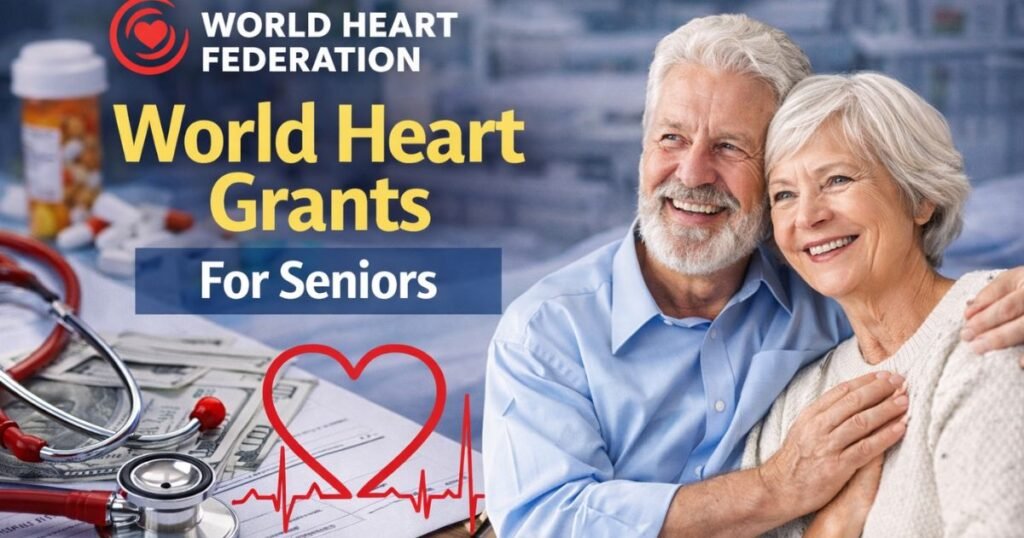
When it comes to global health, few organizations stand as prominently as the World Heart Federation (WHF). Established to fight against cardiovascular diseases (CVDs), WHF is a unifying body that represents more than 200 organizations across 100+ countries. Its mission is to reduce the burden of heart disease and stroke, which remain the world’s leading cause of death. While its programs are diverse, one of the most impactful initiatives is the World Heart Grants program, particularly designed to empower communities and individuals especially elderly who are at higher risk of heart-related conditions.
The Federation not only focuses on awareness campaigns, but also provides real money opportunities for the ground level organizations. By creating such grants, WHF empowers healthcare providers, NGOs and community leaders to take heart health initiatives that can save life. Seniors often find themselves at the center of these efforts, as they represent the group most vulnerable to cardiovascular conditions.
In this article, we’ll dive deep into the purpose, structure, and benefits of the World Heart Federation’s World Heart Grants for Seniors. We’ll also explore eligibility, the application process, real-life success stories, and practical ways seniors can maintain a heart-healthy lifestyle.
History and Mission of WHF
The World Heart Federation detects its roots in the middle of the 20th century when health professionals felt the growing global burden of heart diseases. Over time, it developed as a central authority dedicated to united scientific, medical and advocacy organizations under a banner. Today, WHF plays an important role in funding projects aimed at influencing health policies, supporting research and stopping and managing heart conditions.
Its mission is directly powerful: to create a world where everyone can last long, remain free from healthy heart disease and stroke. To achieve this, WHF works at several levels that educate individuals about preventive measures, strengthens healthcare providers with resources, and advocate governments to prioritize heart health in the national agenda.
Perhaps the most relatable aspect of their mission is how it touches the lives of ordinary people. From running global campaigns like World Heart Day to providing localized grants for senior programs, WHF ensures that the fight against CVD isn’t just left in the hands of policymakers but involves communities directly.
Understanding the World Heart Grants Program
The World Heart Grant Program is a major initiative designed to strengthen heart health projects worldwide. Unlike traditional funding, which often advocates large -scale research institutes, these grants focus on community effects. They are intentionally accessible to grassroots organizations, local NGOs and senior-centric groups that want to create meaningful changes.
For seniors, this program is a lifeline. Many elderly people live with limited access to healthcare or lack knowledge to manage their conditions effectively. Free screening camps, drug awareness sessions, exercise workshops and even for old adults grants funds such as nutrition guidance programs.
What makes the World Heart Grants program particularly powerful is its inclusivity. It doesn’t limit itself to a single type of project but supports a range from advocacy campaigns that raise awareness about high blood pressure, to pilot projects that test innovative heart-monitoring technologies for seniors.
READ MORE: Free Dental Implants for Seniors
Eligibility for World Heart Federation’s World Heart Grants
For seniors and the organizations that serve them, understanding eligibility is the first step in reaching the opportunities provided by WHF. Unlike many funding programs in favor of educational institutions or large hospitals, the World Heart Grant is designed to be inclusive and community-centered. The eligibility criteria ensure that the grants reach the people and places where they’re needed most.
Who Can Apply?
Applications for World Heart Grants are generally open to:
- Non-Governmental Organizations (NGOs): Especially those working in community health or elderly care.
- Healthcare Institutions: Clinics, hospitals, or health centers aiming to run senior-focused heart health projects.
- Community Groups: Grassroots organizations that can mobilize local seniors and families.
- Senior Associations: Groups specifically serving older adults and retirees.
- Academic and Research Institutions: Universities and health research groups focusing on innovative senior care solutions.
Regional and Global Eligibility
The World Heart Federation is a global organization, and its grants reflect that access. Money opportunities are available in various fields, including:
- High-Income Nations: Where projects can focus on innovation, technology or policy advocacy.
- Middle-Income Countries: Often targeting urban-rural health gaps, ensuring seniors outside major cities receive proper care.
- Low-Income Nations: Where attention is on basic access, medicines and awareness campaigns for the elderly population with limited resources.
Key Requirements for Applicants
To qualify for funding, applicants must demonstrate:
- Impact: A clear plan showing how the project will improve heart health among seniors.
- Feasibility: The given resources and ability to implement the project within the time limit.
- Sustainability: Long -term capacity for the project to continue beyond the initial grant fund.
- Community Engagement: Evidence that seniors and their families are actively involved.
- Monitoring and Evaluation: A system for tracking outcomes, such as the number of seniors screened or improvements in knowledge and lifestyle practices.
READ MORE: Overnight Care for Elderly | In-Home & Assisted Care Options
Application Process for Seniors and Organizations
Applying for a World Heart Grant can feel overwhelming at first, but WHF provides guidance to make the process transparent and accessible. Steps are designed to ensure that there is a proper opportunity to get support in organizations with real intentions and impressive thoughts.
Step-by-Step Guide to Application
- Check for Grant Announcements: WHF typically announces funding opportunities on its official website and partner networks.
- Review Eligibility: Ensure that the applying organization meets the criteria and has a senior-focused project idea.
- Prepare a Proposal: Outline the goals, target audience, expected outcomes, and budget. The proposal should highlight how seniors will benefit.
- Submit Application: Complete the official online form provided by WHF, attaching necessary documents.
- Evaluation: WHF reviews applications, often with input from a panel of experts in cardiovascular health and senior care.
- Approval and Funding: Successful applicants receive notification, followed by financial support to begin project implementation.
Documents and Proposals Required
Applicants generally need to provide:
- A project proposal with clear objectives and timelines.
- Budget breakdowns showing how funds will be allocated.
- Background information about the organization and its past work.
- Letters of support or endorsements from local partners.
- An eyeing and evaluation plan to track the project’s effectiveness.
Timeline and Approval Process
The grant cycle typically follows an annual schedule:
- Application Phase: Several weeks for organizations to submit proposals.
- Review Phase: WHF experts assess applications based on merit, sustainability, and impact.
- Selection and Announcement: Successful projects are chosen and publicly announced.
- Implementation: Funding is disbursed, and projects begin within the set timeframe (often 6–12 months).
- Reporting: Organizations submit progress and final reports to demonstrate outcomes and accountability.
READ MORE: Best Medical Alert Systems for Seniors | Top Picks & Reviews
Types of Programs Funded by World Heart Grants
The World Heart Grant of the World Heart Federation for seniors is not limited to the same type of initiative. Instead, they expand a variety of projects that all share a common goal: improve heart health and quality of life for older adults. These programs vary depending on the needs, resources and challenges of the local community. By supporting diverse approaches, WHF ensures that seniors worldwide receive care and education to suit their realities.
Community-Based Heart Health Programs
One of the most common areas of funding includes community-operated programs. These initiatives are vested in the local neighborhood and the goal is to reach the seniors where they live. Examples include:
- Free Screening Camps: Offering blood pressure, cholesterol, and blood sugar tests for older adults who may not otherwise have access.
- Exercise Groups: Organizing senior-friendly activities such as walking clubs, tai chi sessions, or chair aerobics.
- Nutritional Counseling: Teaching seniors about heart-healthy diets that reduce salt, sugar, and unhealthy fats.
- Support Groups: Creating a safe place where senior people can share experiences, can learn a copy strategy and get colleagues incentive.
Research and Innovation Projects
The World Heart Grants also fund research-focused initiatives that explore new ways of addressing senior cardiovascular health. Some projects test innovative tools such as:
- Wearable Heart Monitors: Such tools that allow seniors to track their heart rate and blood pressure at home.
- Telemedicine Programs: Helping seniors consult doctors remotely, especially important in rural or underserved regions.
- Medication Adherence Apps: Digital tools that remind seniors to take their prescribed medicines on time.
Awareness and Advocacy Campaigns
Another important category of funding focuses on raising awareness. Seniors often underestimate their risks or dismiss early symptoms of heart disease as “just aging.” To counter this, WHF funds campaigns that:
- Educate seniors and their families about warning signs of heart attacks or strokes.
- Advocate for governments to provide better healthcare coverage for elderly populations.
- Encouraging lifestyle changes by sharing the motivational stories of the superiors who improved their heart health.
Impact of World Heart Grants on Seniors
The real measure of success for the World Heart Grant lies in their concrete influence on the lives of senior citizens. From better healthcare access to healthy lifestyle habits, these grant form the waves of change that are spread beyond the person.
Real-Life Success Stories
Across the globe, World Heart Grants have supported countless projects that changed lives. For example:
- In India, a grant funded mobile heart clinics that traveled to remote villages, providing screenings for elderly residents who had never seen a cardiologist before.
- In Latin America, seniors joined community walking groups that not only improved physical fitness but also reduced loneliness.
- In Africa, grants supported training for community health workers who now regularly visit seniors’ homes to monitor blood pressure and provide guidance.
Challenges in Implementing Heart Health Grants
While the World Heart Federation’s World Heart Grants for Seniors have proven highly impactful, implementing these initiatives is not without its challenges. From financial constraints to cultural barriers, many obstacles must be addressed to ensure the long-term success and sustainability of these programs.
Financial and Resource Limitations
One of the most pressing challenges is funding. Although the WHF provides financial support, grants are often limited in size and duration. This can create difficulties for local organizations that want to sustain projects beyond the grant period.
In addition, many senior-focused programs require specialized resources such as:
- Medical equipment for screenings and monitoring.
- Trained healthcare professionals with expertise in geriatric cardiology.
- Transportation services for seniors living in remote areas.
Cultural and Educational Barriers
Another challenge lies in cultural perceptions around health. In some areas, senior people may assume that heart disease is only a natural part of aging and therefore indispensable. This mentality can discourage them by participating in screening or adopting preventive habits.
Educational barriers also play a role. Seniors with limited literacy may struggle to understand medical information or follow complex treatment plans. Language differences in multicultural societies further complicate outreach efforts.
To address these challenges, WHF encourages programs that use simple, relatable communication methods such as visual aids, storytelling, or local community leaders as advocates. These approaches ensure that messages about prevention and treatment are accessible to all seniors, regardless of background.
READ MORE: Best Landline Phone Service for Seniors (2026) | Plans, Costs & Reviews
Solutions for Sustainable Impact
Despite these hurdles, many solutions exist to strengthen grant-based programs. Key strategies include:
- Community Ownership: Training seniors themselves to become health ambassadors ensures continuity after funding ends.
- Government Integration: Encouraging policymakers to adopt successful pilot programs into public health systems.
- Technology Use: Leveraging mobile apps, SMS reminders, or telehealth to reach seniors more efficiently.
- Capacity Building: Training local healthcare workers so that knowledge remains within the community.
Conclusion
The World Heart Grants of the World Heart Federation for seniors are more represented by financial assistance they are a lifeline for elderly communities worldwide. By funding programs promoting awareness, prevention, innovation and advocacy, these grants empower the seniors to live long, healthy and more full life.
From Community Walking Club to Telemedicine programs, WHF initiative proves that small steps can cause monumental changes. Focus on superiors is not only necessary, but also necessary, given the growing global aging population and inconsistent burden of heart disease among chronic adults.
FAQs
1. What is the World Heart Federation’s mission?
The WHF’s mission is to create a world where everyone, regardless of income or geography, can live longer, healthier lives relived from cardiovascular disease.
2. Who qualifies for World Heart Grants for seniors?
Non-profits, healthcare organizations, senior groups, and academic institutions working on senior heart health projects are eligible to apply.
3. How can communities benefit from these grants?
Community preventive screening, awareness campaigns, senior exercise programs and better health services.
4. What types of projects are usually funded?
WHF funds a wide range of projects including awareness campaigns, senior-friendly exercise programs, digital health tools, and innovative research.
5. How do these grants improve the quality of life for seniors?
By promoting prevention, improving access to healthcare, and encouraging social participation, senior achieve not only better health but also freedom and confidence.