For many of us, the sounds of a grandchild’s laughter, a bird’s song, or a favorite melody are the threads that weave our days together. But when hearing loss begins to pull at those threads, the world can feel increasingly quiet and isolated.
If you or a loved one are struggling to hear, you aren’t alone. Approximately one in three people in the United States between the ages of 65 and 74 has hearing loss, and nearly half of those older than 75 have difficulty hearing. Despite this, the high cost of hearing aids which can range from $1,000 to over $6,000 per pair remains a significant barrier.
The good news is that in 2026, there are more ways than ever to find financial support. From updated Medicare Advantage benefits and expanded Medicaid programs to veteran services and nonprofit grants, help is available. Lets deep dive into “Financial Support for Hearing Aids: A Practical Guide for U.S. Seniors”
READ MORE: Best Smart TV for Seniors in 2026: Easy to Use & Large Screen Picks
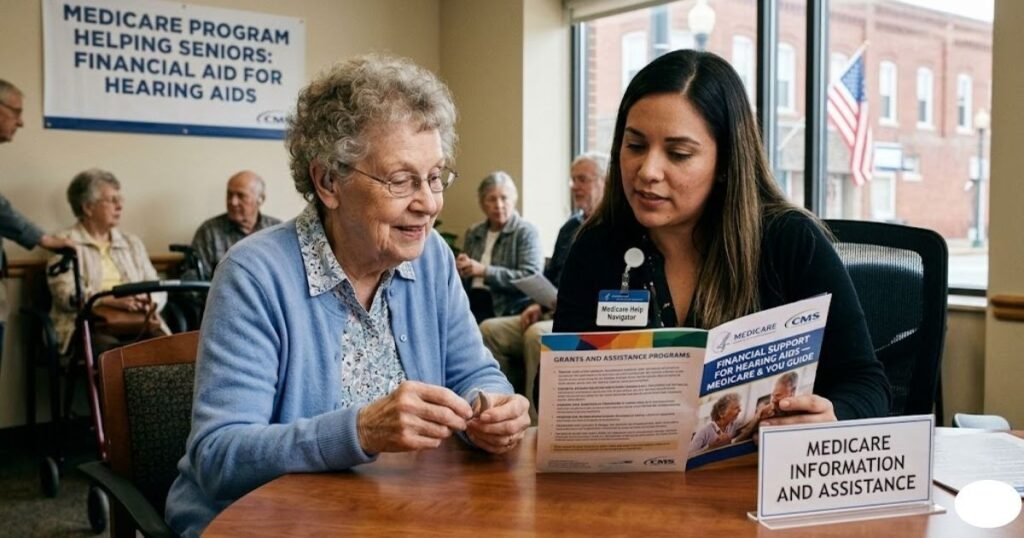
Quick Answer: Can I Get Help Paying for Hearing Aids?
Yes. While “Original Medicare” generally does not cover hearing aids, the majority of U.S. seniors can find support through other channels. Depending on your income, veteran status, and location, you may qualify for $0-cost devices or significantly discounted rates.
READ MORE: Best Affordable Hearing Aids Review
Financial Support for Hearing Aids: Most Common Support Channels
- Federal programs (Medicare covers diagnostic hearing exams in some cases but generally does not pay for hearing aids; Medicare Advantage plans sometimes offer hearing benefits).
- Medicaid (coverage for adults varies by state; children are protected under EPSDT rules).
- Veterans’ benefits (eligible veterans enrolled in VA health care can receive hearing aids and supplies at no additional cost).
- Nonprofits and charities (e.g., Lions Clubs and local foundations that recycle or subsidize hearing devices).
- Clinic payment plans, low-interest medical loans, manufacturer discounts, and refurbished/OTC devices.
If you need a one-sentence roadmap: get an up-to-date audiogram, call your insurance/Medicaid/VA office, and ask your audiologist for financial counseling and an itemized quote.
Start Here: The “Ready to Apply” Checklist
Before you call an agency or clinic, have this information written down:
- Proof of Income: Your most recent tax return or Social Security award letter.
- Insurance Cards: Both your red-white-and-blue Medicare card and any private/Advantage plan cards.
- Veteran Status: Your DD214 (discharge papers), if applicable.
- A Recent Audiogram: A professional hearing test (usually performed within the last 6 months).
READ MORE: Best Dental, Vision & Hearing Insurance for Seniors in 2026 | Affordable Coverage
Government Coverage: Hearing Aid Assistance Programs
Navigating government benefits can feel like learning a second language. However, these programs are often the first and most robust line of defense against high costs.
1. Medicare (Do Medicare Pay for Hearing Aids)
As of 2026, Original Medicare (Parts A and B) still does not cover the cost of hearing aids or the exams for fitting them. It does cover diagnostic hearing and balance exams if your doctor orders them to see if you need medical treatment.
The “Advantage” Alternative: Most Medicare Advantage (Part C) plans now offer some form of hearing coverage. This might include:
- A flat “allowance” (e.g., $500–$1,000 toward the cost of aids every two years).
- Set copayments for specific models (e.g., you pay $499 per ear for a “Standard” level device).
- Coverage for the hearing exam and follow-up fitting visits.
Action Step: Call your plan’s member services number on the back of your card and ask, “Does my plan include a ‘hearing aid benefit,’ and if so, is it an allowance or a fixed copay?”
READ MORE: Best Voice Assistant for Seniors 2026 — Safe, Simple & Senior-Friendly Picks
2. Medicaid (Medicaid Hearing Aid Coverage by State)
While federal law requires Medicaid to cover hearing aids for children (through the EPSDT program), coverage for adults varies by state.
- Comprehensive States: Some states, like California, New York, and Minnesota, offer robust hearing aid benefits for adults who meet income requirements.
- Limited States: Other states may only cover one hearing aid every few years or only cover repairs.
In 2026, many states have updated their “Vision and Hearing Services Handbooks” to include newer digital technologies. Check your state’s Medicaid website or the Hearing Loss Association of America (HLAA) state-by-state guide for the most current rules.
3. VA and Veterans’ Hearing Aid Benefits
The U.S. Department of Veterans Affairs (VA) is one of the largest providers of hearing aids in the country. If you are a veteran enrolled in VA healthcare, you are likely eligible for premium hearing aids, batteries, and repairs at no cost.
To qualify, you generally need to meet one of these criteria:
- Have a service-connected disability (of any kind).
- Be a former Prisoner of War or a Purple Heart recipient.
- Have a hearing loss severe enough to interfere with other VA-treated conditions.
How to start: Contact the audiology department at your local VA Medical Center to schedule an entrance exam.
READ MORE: 10 Best Hearing Aids in 2026 | Reviews, Prices & Buyer Guide
Hearing Aid Grants and Charities, Nonprofits, and Local Programs
If you don’t qualify for government help and your insurance is limited, nonprofits often step in to fill the gap.
National Foundations
- Lions Clubs International: Local Lions Clubs are famous for their “Affordable Hearing Aid Project.” They often collect used hearing aids, have them refurbished by manufacturers, and provide them to low-income seniors.
- Miracle-Ear Foundation: This program provides hearing aids to children and adults who have a significant hearing loss and limited income. You must apply through a local Miracle-Ear center.
- Audient (An Alliance for Accessible Hearing Care): Audient helps low-income individuals access highly discounted hearing aids from major manufacturers. They work with a network of over 3,000 providers nationwide.
- Starkey Hearing Foundation: Through their “Hear Now” program, they provide hearing assistance to U.S. residents with limited financial resources.
Local and State Resources
- State Vocational Rehabilitation: If you are still working (or want to return to work) and hearing loss is a barrier, your state’s vocational rehab office may pay for your hearing aids as “assistive technology.”
- Area Agencies on Aging (AAA): These local offices often have “flexible funds” or can point you toward local community grants specifically for seniors in your zip code.
READ MORE: Best Health Tracking Smartwatch for Seniors 2026 — Top 8 Picks Compared
Insurance, Payment Plans, and Lower-Cost Alternatives
Not everyone qualifies for a grant, but there are ways to make the “sticker price” more manageable.
Private Insurance and Retiree Benefits
Check your secondary or retiree insurance. Many union-backed or large-employer retiree plans (like those for teachers or federal employees) have hearing aid riders that pay for a significant portion of the cost every 3 to 5 years.
Medical Financing and Low-Interest Loans
Many audiology clinics partner with companies like CareCredit or Wells Fargo Health Advantage. These offer:
- Deferred Interest: No interest if paid in full within 12–18 months.
- Fixed Monthly Payments: Lowering a $4,000 bill into a $150 monthly payment.
- Caution: Always read the fine print; if you miss a payment, the “deferred” interest can be back-charged at a high rate.
Over-the-Counter (OTC) Hearing Aids (The 2026 Landscape)
Since the FDA authorized the sale of OTC hearing aids, the market has matured. In 2026, you can buy high-quality, AI-driven devices for $500 to $1,000 per pair at pharmacies like CVS or Walgreens, or online.
Is OTC right for you?
- Best for: Mild-to-moderate hearing loss.
- Not for: Severe hearing loss, or if you have “red flag” symptoms like drainage or sudden hearing loss in only one ear.
READ MORE: Cell Phones For Seniors With Dementia
Hearing Aid Financial Aid for Seniors: How to Apply A Step-by-Step Checklist
The application process can feel overwhelming, but taking it one step at a time makes it manageable.
- [ ] Get a Professional Audiogram: Even if you plan to buy OTC, a professional test tells you exactly how much help you need. This document is required for almost all grant applications.
- [ ] Verify Your Insurance: Call your provider. Use this script: “I have [Plan Name]. Does my policy include a hearing aid benefit? Is it a reimbursement, an allowance, or do I have to use a specific provider network?”
- [ ] Gather Income Documents: Keep a copy of your most recent Social Security statement and bank statements in a dedicated folder.
- [ ] Check Veteran Status: If you served, contact your local VA Enrollment Coordinator.
- [ ] Locate a “Hearing Helper” Clinic: Some audiology clinics have a dedicated staff member (often called a Patient Care Coordinator) who specializes in finding grants and financing. Ask, “Do you work with any foundations like the Lions Club or Audient?”
- If you’re on Medicare Advantage, request a copy of the plan’s Evidence of Coverage and look for hearing benefit limits and provider network rules.
Sample script for a phone call to a program:
“Hi — my name is [X]. I’m calling about hearing aid assistance. I have [Medicare/Medicaid/VA/none], my latest audiogram is from [date], and my annual income is [amount]. Do you have any programs for people like me, and what documents would you need to start an application?”
READ MORE: Salvation Army Free Car Program (Eligibility & How to Apply)
Cost-Saving Tips and Avoiding Scams
When looking for a deal, seniors are often targeted by “too good to be true” offers.
- Ask for “Unbundled” Pricing: Some clinics charge one “bundled” price for the aid and years of service. Ask for an itemized quote so you only pay for the services you actually use.
- The 30-Day Trial Rule: Most states require a mandatory trial period (usually 30–45 days). Never buy a hearing aid from a place that doesn’t offer a written return policy.
- Beware of “Free” Trials with Strings: If a “free trial” requires a non-refundable “fitting fee” of $500, it isn’t truly free.
- Verify “AI” Claims: In 2026, every manufacturer claims to have “AI.” Focus on the audiogram results and how the device feels in your ear, not the marketing buzzwords.
- Compare multiple quotes — prices and service levels vary.
- Ask for itemized pricing (device vs services vs warranty).
- Consider refurbished, certified pre-owned, or OTC options for mild losses — but verify fitting, warranty, and return options.
- Check warranties and return policies — reputable providers offer trial periods and repair warranties.
READ MORE: Is There Any Technology Grants for Senior Citizens?
Real-Life Examples: How Seniors Found Help
- The Veteran (Steve Smith, 72): John assumed he didn’t qualify because his hearing loss wasn’t “combat-related.” After applying for VA healthcare, he discovered his 10% disability rating for a knee injury made him eligible for top-tier hearing aids at $0 cost.
- The Fixed-Income Couple (kite, 68): Mary’s Original Medicare offered nothing. She contacted her local Lions Club, which directed her to a state foundation. After providing her Social Security statements, she received a pair of refurbished digital aids for a $100 processing fee.
- The Savvy Shopper (Robert, 65): Robert had mild hearing loss. He skipped the $5,000 clinic aids and bought a pair of Jabra OTC hearing aids for $800. He used his HSA (Health Savings Account) funds to pay for them tax-free.
Does Medicare pay for hearing aids for seniors?
Original Medicare (Part A and B) generally does not cover hearing aids or fitting exams. However, many Medicare Advantage (Part C) plans offer hearing benefits, such as allowances or fixed copays. Verify your specific coverage with your plan provider.
Can Medicaid help pay for hearing aids for adults?
Yes, but it depends on your state. While all states cover children, adult coverage varies. Check your state’s Medicaid portal or the HLAA website for a “state-by-state” breakdown of hearing aid benefits.
Do veterans get free hearing aids through the VA?
Most veterans enrolled in the VA health system can receive hearing aids, batteries, and repairs at no cost. You do not necessarily need a “service-connected” hearing injury to qualify. Contact a VA audiology clinic to begin the enrollment process.
What nonprofits offer hearing aid assistance for seniors?
Key organizations include Lions Clubs International, the Miracle-Ear Foundation, Audient, and the Starkey Hearing Foundation. Each has unique eligibility requirements based on income and the severity of hearing loss.
How can I find low-cost or refurbished hearing aids?
Ask your audiologist about “unbundled” pricing or refurbished models. You can also explore reputable OTC (Over-the-Counter) devices for mild-to-moderate loss, which are significantly cheaper than traditional prescription aids.
Your Next Steps
You don’t have to navigate this journey alone. To get started this week, we recommend these three actions:
- Call your primary doctor and ask for a referral for a professional hearing test (audiogram). This is the “ticket” you need for almost all support programs.
- Check your insurance card. Call the member services number and ask specifically about “Hearing Aid Benefits.”
- Find your local Lions Club. Search “[Your City] Lions Club” online and ask if they participate in the Affordable Hearing Aid Project.