Mental health is a vital part of overall wellness at every stage of life. However, across the United States, many communities face a critical shortage of accessible, affordable mental health care. Whether addressing the unique challenges of older adults, supporting teenagers, or providing a lifeline for rural families, community organizations are stepping up to bridge this gap.
To do this, they need funding. That is where grants for mental health counseling programs come in.
Grants provide essential financial support to healthcare providers, community organizations, nonprofits, and government agencies. This funding helps them hire qualified counselors, expand telehealth services, and keep counseling affordable for the populations they serve.
In this guide, we will explore what these grants are, who provides them, what types of programs qualify, and how to find legitimate funding opportunities. Lets deep dive into “Grants for Mental Health Counseling Programs: Where to Find Funding in the USA”
(Note: Grant availability, eligibility rules, award amounts, and deadlines change frequently. Always verify every opportunity using the current official Notice of Funding Opportunity (NOFO) directly from the granting agency.)
What Are Grants for Mental Health Counseling Programs?
In simple terms, a grant is a financial award given by an entity such as the federal government, a state agency, or a private foundation to help fund a specific project or program.
When applied to behavioral health, grants for mental health counseling programs are designed to support the infrastructure, staffing, and operations of mental health services. Governments and foundations provide this funding because they recognize that untreated mental health conditions impact the whole community, leading to higher healthcare costs, increased homelessness, and reduced quality of life.
Here are a few key things to understand about counseling grants:
- They are not loans: Unlike a bank loan, a grant does not need to be repaid, provided the organization uses the money exactly as outlined in their approved grant agreement.
- They are for organizations, not individuals: The vast majority of mental health grants are awarded to organizations, clinics, and nonprofits. They are not given directly to individual patients to pay personal medical bills.
- They are highly competitive: Grant funding is limited. Organizations must submit detailed, evidence-based proposals proving they have a strong plan to use the funds effectively.
READ MORE: Medical Grants for Seniors: Free Healthcare Financial Assistance
Who Can Apply for Mental Health Counseling Grants?
Eligibility rules are incredibly strict and depend entirely on the specific funding opportunity. A grant designed for a rural hospital will have completely different applicant requirements than a grant meant for a local youth mentorship charity.
Generally, individuals cannot apply for federal program grants to pay for their own therapy. Instead, the following types of organizations are the primary applicants for behavioral health grants:
- Nonprofit Organizations: Charities and community groups with official 501(c)(3) tax-exempt status.
- Healthcare Organizations: Federally Qualified Health Centers (FQHCs), hospitals, and behavioral health clinics.
- State, Local, and County Governments: Public health departments looking to expand regional services.
- Tribal Organizations: Federally recognized Native American tribes and tribal health groups.
- Educational Institutions: Universities, colleges, and sometimes K-12 school districts seeking to build student counseling centers or train new therapists.
- Community-Based Organizations: Local groups focused on specific populations, such as aging service agencies or veteran support centers.
Eligibility Comparison Table
| Applicant Type | Common Funding Opportunities | Important Considerations |
| 501(c)(3) Nonprofits | Private foundation grants, SAMHSA community grants, local government funding. | Must have official IRS tax-exempt status and a strong community track record. |
| State/Local Governments | Federal block grants, federal crisis-response funding. | Often requires matching state funds and extensive public health reporting. |
| Universities & Colleges | Workforce development grants, HRSA training grants, research grants. | Usually focused on training new mental health professionals rather than direct community care. |
| Individuals/Patients | Not eligible for program grants. | Must seek individual financial assistance, Medicare/Medicaid, or sliding-scale clinics instead. |
READ MORE: Grants for Seniors on Social Security: USA Guide
Types of Mental Health Counseling Programs That May Receive Funding
Funders want to invest in programs that address urgent needs. When searching for behavioral health grants, organizations will find that opportunities are often categorized by the specific population or issue the program addresses.
Community Mental Health Counseling
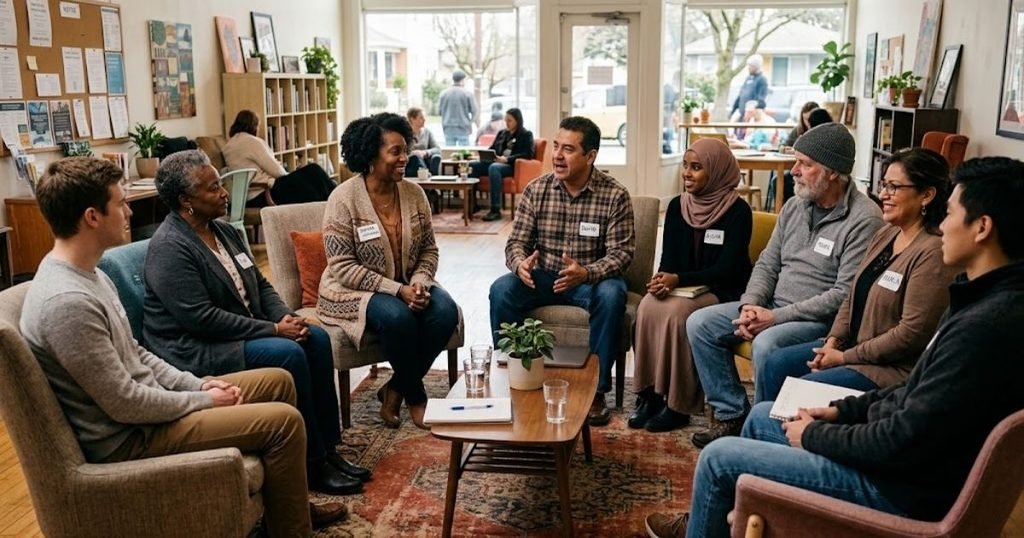
Many grants focus on funding broad community mental health services. These programs serve people who face barriers to traditional care, such as those without insurance, people experiencing homelessness, or lower-income families. Grants help these centers keep their doors open and offer sliding-scale fees.
Counseling for Older Adults and Seniors
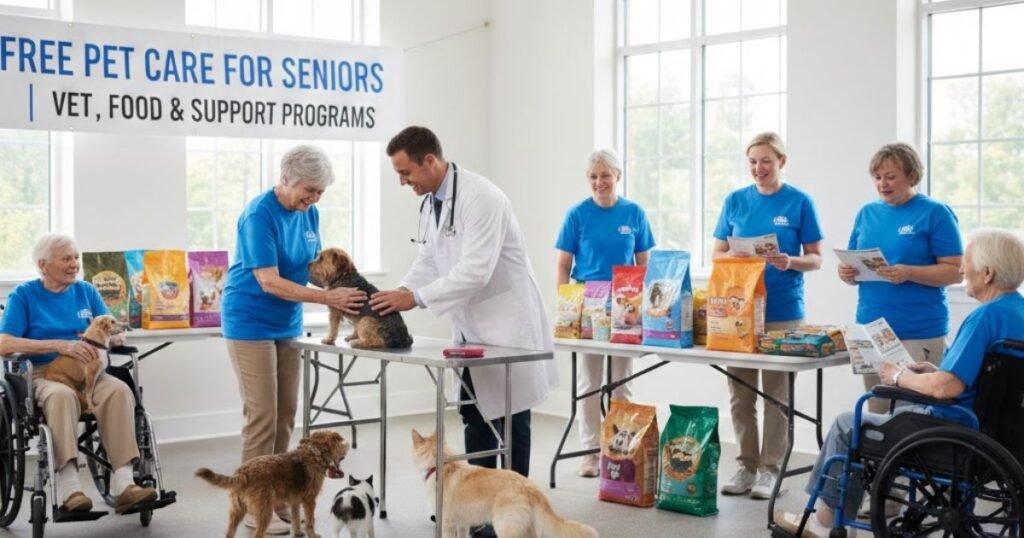
Older adults face unique mental health challenges, yet they are often overlooked. Grants for programs serving seniors may focus on providing counseling for grief, bereavement, life transitions, and caregiver stress (especially for those caring for spouses with dementia). Funding often supports programs that actively combat senior social isolation, or initiatives that provide in-home or telehealth counseling for older adults with mobility issues. (Note: These grants fund the community programs, which in turn help seniors; they do not automatically provide a senior with free private therapy.)
Youth and Family Counseling
Children and teenagers are experiencing unprecedented levels of anxiety and depression. Grants in this category support school-based counseling programs, family therapy initiatives, trauma-informed care for at-risk youth, and early intervention programs for toddlers and children.
Rural Mental Health Programs
People living in rural areas often have to drive hours to see a therapist. Rural behavioral health funding is highly prioritized by the federal government. These grants help clinics build telehealth infrastructure, recruit counselors to remote areas, and deploy mobile mental health crisis units.
Crisis and Behavioral Health Services
With the rollout of the 988 Suicide & Crisis Lifeline, there is a major focus on crisis intervention. Grants support 24/7 behavioral health hotlines, mobile crisis response teams, and crisis stabilization centers that provide immediate counseling and care to people in extreme distress.
Mental Health Workforce and Training Programs
The USA is facing a severe shortage of licensed counselors, social workers, and psychologists. Mental health workforce grants do not pay for patient therapy; instead, they provide funding to universities and teaching clinics to offer scholarships, internships, and specialized training to expand the future behavioral-health workforce.
READ MORE: How To Get Government Grants for Stroke Victims
Where Can You Find Grants for Mental Health Counseling Programs?
Finding the right grant requires knowing where to look. Funding generally comes from federal agencies, state governments, and private foundations.
SAMHSA Grants
The Substance Abuse and Mental Health Services Administration (SAMHSA) is the leading federal agency for behavioral health funding in the USA. SAMHSA provides grants that support community mental health services, substance-use treatment, workforce development, and specialized mental health initiatives.
When SAMHSA has funding available, they publish a Notice of Funding Opportunity (NOFO). Organizations must read these carefully to understand exactly who qualifies and what the funding priorities are for that specific fiscal year.
HRSA Grants
The Health Resources and Services Administration (HRSA) focuses on improving healthcare access for people who are geographically isolated or economically vulnerable. HRSA is a massive source of behavioral health workforce grants. They often fund universities and clinics that train clinical social workers and psychologists who commit to working in underserved communities.
Grants.gov
Grants.gov is the central database for all federal grant opportunities. It can be overwhelming, but it is the most comprehensive tool available. Organizations can use the search function to look for federal funding by typing in keywords such as:
- mental health
- behavioral health
- counseling
- mental health services
- workforce
State and Local Government Grants
Not all funding comes directly from Washington, D.C. The federal government often distributes “Block Grants” to individual states. The states then decide how to award that money to local communities. Organizations should frequently check their:
- State behavioral health agencies
- State departments of health and human services
- County government public health boards
- Local mental health authorities
Private Foundations and Charitable Organizations
Thousands of private foundations from large national organizations to small family trusts support community mental health. Foundation grants are sometimes more flexible than federal grants, but the application procedures vary significantly. Organizations should look into local community foundations, corporate philanthropic arms (like healthcare company foundations), and charities focused specifically on mental health or aging populations.
READ MORE: Medicare Telehealth Coverage Guidelines: Senior Guide
Federal Mental Health Grant Programs to Know About
While specific NOFOs open and close throughout the year, there are several overarching federal funding structures that organizations should be aware of.
(Reminder: Never assume a program you read about online is currently open. Always verify the current status, deadlines, and requirements on SAMHSA.gov or Grants.gov.)
- Community Mental Health Services Block Grant (MHBG): This is a massive pool of funding distributed to states by SAMHSA. States use this money to support comprehensive community mental health services for adults with serious mental illnesses and children with serious emotional disturbances. Local clinics often apply to their state for a piece of this funding, rather than applying directly to the federal government.
- Certified Community Behavioral Health Clinic (CCBHC) Grants: SAMHSA provides significant funding to help clinics establish themselves as CCBHCs. These clinics must meet strict criteria, including providing 24/7 crisis intervention and serving anyone regardless of their ability to pay.
- Mental Health Awareness Training (MHAT) Grants: These grants prepare community members such as teachers, first responders, and senior center staff to recognize the signs of mental illness and safely connect individuals with appropriate counseling services.
- Rural Health Care Services Outreach Grants: Managed by HRSA, these grants often support the integration of mental health counseling into rural primary care doctors’ offices.
If you are exploring a specific current funding opportunity, you must verify the program name, the granting agency, who specifically qualifies, what the funding supports, the award range, and the application deadline.
How to Find the Right Mental Health Counseling Grant
Applying for a grant takes a massive amount of time and resources. Organizations should not apply for every grant they find. Instead, follow a strategic, step-by-step process:
- Define the counseling program: Know exactly what you want to do before you look for money.
- Identify the population being served: Are you helping seniors? Teens? Rural farmers?
- Determine your organization’s eligibility: Are you a registered 501(c)(3)? A public university?
- Identify the geographic area: Some grants are restricted to specific counties, states, or zip codes.
- Search official government grant databases: Use Grants.gov and SAMHSA’s grant dashboard.
- Review the funding opportunity announcement (NOFO): Read it line by line.
- Check eligibility requirements immediately: Do not write a proposal if you do not strictly meet the applicant criteria.
- Review allowable expenses: Make sure the grant pays for what you actually need (e.g., salaries).
- Check application deadlines: Federal grants have strict cut-offs. Late applications are not reviewed.
- Prepare required documentation: Gather audits, board of directors lists, and resumes.
- Develop a realistic budget: Base costs on real-world estimates, not guesses.
- Submit through the required system: Applicants must often register early in systems like SAM.gov, Grants.gov, and eRA Commons. This registration process alone can take several weeks.
READ MORE: World Heart Federation’s World Heart Grants For Seniors
What Can Mental Health Counseling Grants Pay For?
Grants are highly restrictive. You cannot simply put grant money into a general bank account and spend it however you like. Allowable costs depend entirely on the specific grant rules, but potential categories often include:
- Counselor Salaries: Paying the wages of licensed therapists, social workers, or peer support specialists directly working on the project.
- Training and Certification: Costs to train staff in specific evidence-based therapies (e.g., trauma-informed care).
- Technology and Telehealth: Purchasing secure, HIPAA-compliant software, laptops for counselors, or tablets for rural patients to access virtual therapy.
- Community Outreach: Marketing materials to let the community (such as older adults) know that counseling services are available.
- Program Administration: A small, restricted percentage of the grant is sometimes allowed for indirect costs like rent or utilities.
- Program Evaluation: Paying for data software or outside evaluators to prove the counseling program is actually working.
Always remember: Not every grant permits every expense. Some strictly forbid using funds for construction, while others may not allow funding to be used for meals or transportation. Readers must follow the specific funding announcement.
How Much Money Can a Mental Health Counseling Grant Provide?
There is no single standard grant amount. Grants for mental health counseling programs can range from a few thousand dollars to millions of dollars. The amount depends on factors such as:
- The granting agency (local foundation vs. federal government)
- The scope of the project (local clinic vs. statewide initiative)
- The number of awards the agency plans to give out
- The total funding availability approved by Congress or the foundation’s board
- The duration of the project (one year vs. a five-year grant)
For example, current SAMHSA opportunities can have substantially different award structures. Some capacity-building grants might offer up to $200,000 annually, while large-scale systemic grants may have much higher award ceilings.
Never assume an organization will automatically receive the maximum amount allowed. Reviewers scrutinize budgets, and they will only award what they believe is genuinely necessary to accomplish the program’s goals.
Mental Health Grants for Programs Serving Seniors
Older adults are a rapidly growing demographic in the USA, and their behavioral health needs are highly specific. Organizations that serve seniors such as local Area Agencies on Aging (AAAs), senior centers, and geriatric healthcare clinics frequently seek funding to build specialized counseling programs.
Grants in this sector often focus on overcoming barriers. For example, many seniors face transportation barriers. Therefore, grants may fund in-home counseling or specialized telehealth access where a community health worker brings a tablet to a senior’s home so they can speak with a therapist.
Other key areas for senior-focused mental health funding include:
- Social Isolation: Programs that combine group therapy with social activities to combat loneliness, a major risk factor for depression in older adults.
- Caregiver Support: Counseling programs specifically designed for family members carrying the heavy emotional burden of caring for aging parents or spouses with Alzheimer’s disease.
- Grief and Bereavement: Support groups and counseling for older adults navigating the loss of spouses, friends, and independence.
- Rural Senior Services: Bringing behavioral health resources to older adults living in remote areas far from healthcare hubs.
It is critical to note that while an organization may receive a grant to help older adults, this does not mean an individual senior can personally apply to the government for a grant to pay for their private therapy.
READ MORE: Medicare vs Medicaid for Seniors: Differences & Eligibility
Grants for Nonprofit Mental Health Counseling Programs
Nonprofit organizations are the backbone of community mental health. However, applying for grants as a nonprofit requires serious preparation.
First, having official 501(c)(3) tax-exempt status from the IRS is non-negotiable for most private foundations and many federal grants. Without it, you generally cannot apply.
Second, federal eligibility rules vary; some grants are only open to state governments, while others are specifically set aside for nonprofits.
Finally, partnerships matter. Nonprofits can often increase their chances of winning a grant by partnering with local hospitals, school districts, or law enforcement agencies to create comprehensive, community-wide programs.
Pre-Application Checklist for Nonprofits
Before you spend weeks writing a proposal, make sure your organization has:
- [ ] Official eligible organization status (e.g., 501(c)(3) documentation).
- [ ] Active, up-to-date registrations in SAM.gov and Grants.gov.
- [ ] A clear, evidence-based project description.
- [ ] A localized community needs assessment proving the service is required.
- [ ] Specific, measurable project goals.
- [ ] A detailed, realistic budget.
- [ ] A qualified staffing plan.
- [ ] An evaluation plan to measure success.
- [ ] All required supporting documents (audits, board lists, letters of support).
How to Write a Strong Mental Health Grant Proposal
Grant writing is a professional skill. To stand out among hundreds of applicants, an organization’s proposal must be flawless, persuasive, and grounded in reality.
Clearly Explain the Problem
Do not just say, “Our community needs more counseling.” Show the need using credible, current evidence. Cite local public health data, waitlist times at local clinics, or regional suicide statistics. The funder needs to see exactly why the problem is urgent.
Describe the Counseling Program
Explain exactly what you will do. What evidence-based therapy models will your counselors use? Will you offer group therapy, individual therapy, or both? How many people do you expect to serve in year one? Detail builds trust.
Explain Measurable Outcomes
Funders view grants as investments, and they want a return on that investment. Discuss realistic ways to measure program performance. Instead of saying “patients will feel better,” state that “80% of program participants will show a reduction in depression symptoms as measured by the PHQ-9 assessment tool after 12 weeks.”
Create a Realistic Budget
Every dollar requested must connect directly to an activity in your proposal. If your program description never mentions telehealth, but you ask for $10,000 in tablets in your budget, the reviewers will reject the application.
Demonstrate Community Need (Avoid Assumptions)
Encourage your grant writing team to use reliable demographic and health data. Avoid making unsupported emotional claims. Use facts from the local health department or the US Census Bureau to paint a picture of the community you serve.
Explain Sustainability
Funders do not want to fund a program that will collapse the day the grant money runs out. Discuss how the program will continue after the grant ends. Will you transition to billing Medicare and Medicaid? Will local donors step in? Explain your long-term vision.
Common Mistakes to Avoid When Applying for Mental Health Grants
Even excellent organizations lose out on funding because of simple, avoidable errors. Make sure you do not make these common mistakes:
- Applying for a grant where your organization does not meet the strict eligibility rules.
- Missing the application deadline by even one minute (federal portals lock exactly on time).
- Using outdated grant information or NOFOs from previous years.
- Ignoring formatting instructions (e.g., using the wrong font size or exceeding page limits).
- Requesting unallowable expenses in the budget.
- Using national statistics when the funder asked for localized community data.
- Creating a generic budget that doesn’t align with the program description.
- Failing to register in required federal systems (like SAM.gov) weeks in advance.
- Assuming a grant is guaranteed just because you have received it in the past.
- Copying and pasting generic language instead of tailoring the proposal to the specific funder.
- Failing to clearly explain how you will track and measure patient progress.
Are There Grants That Help Individuals Pay for Mental Health Counseling?
This is one of the most misunderstood topics in behavioral healthcare funding.
Individuals cannot apply for government program grants to pay for their personal therapy.
Federal, state, and foundation grants are awarded to organizations to create or sustain programs. If a person is struggling to afford therapy, looking for a “grant” is the wrong approach and will only lead to frustration or potential scams.
Instead, people seeking affordable counseling should look for individual financial assistance, insurance coverage, or subsidized programs. Consider exploring:
- Community Mental Health Centers: These clinics (often funded by the grants discussed above) are required to serve people regardless of their ability to pay.
- Sliding-Scale Counseling: Many nonprofits and private therapists offer fees adjusted based on your income.
- Medicare and Medicaid: These government insurance programs provide significant behavioral health coverage for eligible individuals, including seniors and low-income families.
- Employee Assistance Programs (EAPs): Many employers offer a set number of free, confidential counseling sessions for their workers.
- University Counseling Clinics: Universities training future therapists often offer high-quality, supervised counseling to the public at very low costs.
Do not trust websites or individuals claiming they can get you a personal “mental health grant” from the federal government to pay your bills.
How Seniors Can Find Affordable Mental Health Counseling
For older adults and their caregivers, navigating the mental healthcare system can feel overwhelming. If a senior needs counseling but is worried about the cost, there are safe, practical options to investigate:
- Check Medicare Coverage: Medicare Part B covers many mental health services, including diagnostic evaluations, individual therapy, group therapy, and depression screenings. Check your specific Medicare Advantage plan if you have one, as provider networks vary.
- Contact the Area Agency on Aging (AAA): Every region in the USA has a local aging agency. They can connect seniors with local, affordable behavioral health programs, many of which are supported by community grants.
- Ask a Primary Care Doctor: Seniors should ask their regular doctor for referrals to affordable counselors or geriatric psychiatrists who accept Medicare.
- Ask About Telehealth: For older adults with mobility or transportation issues, many clinics now offer therapy over the phone or via video chat.
- Look for Nonprofit Aging Services: Charities such as local Alzheimer’s Association chapters or senior centers often host free, professionally facilitated support groups.
(Remember to always confirm current eligibility, out-of-pocket costs, and provider availability before beginning any medical or mental health services.)
Frequently Asked Questions
What grants are available for mental health counseling programs?
Grants are available through federal agencies like SAMHSA and HRSA, state behavioral health departments, and private foundations. Funding usually supports community clinics, youth programs, crisis services, workforce training, and programs targeting underserved populations like seniors or rural communities.
How can I get a grant for a mental health program?
To get a grant for a program, your organization must identify a specific community need, find an active funding opportunity that matches that need, ensure you meet the strict eligibility requirements, and submit a detailed, evidence-based proposal and budget before the deadline.
Does the government offer grants for mental health counseling?
Yes, the federal government offers billions of dollars in behavioral health funding annually. However, this money goes to state governments, healthcare organizations, universities, and nonprofits to run community programs. It does not go to private individuals to pay for personal therapy.
Can nonprofits get grants for mental health services?
Yes. Nonprofits with registered 501(c)(3) status are frequently eligible for both government grants and private foundation funding. Nonprofits must be able to prove their capacity to manage grant funds and deliver measurable results to the community.
Are there grants that help pay for counseling for individuals?
No, the government and major foundations do not offer personal grants to pay individual counseling bills. Individuals seeking affordable care should explore Medicare/Medicaid, sliding-scale community health clinics, Employee Assistance Programs (EAPs), and local nonprofit support services.
Final Thoughts
Grants for mental health counseling programs are essential lifelines that keep community behavioral healthcare functioning in the USA. While funding opportunities exist across federal, state, local, and private sources, the landscape is highly competitive and constantly changing.
For organizations seeking to expand their services, success requires defining your program clearly, rigorously researching current NOFOs, verifying eligibility, and building realistic, data-driven proposals. Never rely on outdated grant information or assume funding is guaranteed. Prepare early and use official government portals.
For individuals, seniors, and families seeking affordable counseling, it is vital to remember that program grants and personal financial assistance are entirely different. Do not waste time searching for personal grants; instead, explore healthcare insurance options, local sliding-scale clinics, and senior assistance programs in your community.
Mental health care should be accessible to everyone, and with the right funding, organizations can continue to make that a reality.
Sources:
When researching grants, always rely on official and trustworthy sources:
- SAMHSA (Substance Abuse and Mental Health Services Administration): samhsa.gov/grants
- Grants.gov: The primary database for all federal grant opportunities.
- HRSA (Health Resources and Services Administration): hrsa.gov/grants
- U.S. Department of Health and Human Services (HHS): hhs.gov
- Your local State Department of Health or Behavioral Health Agency.
Disclaimer: The information provided in this article is for educational and informational purposes only and does not constitute medical advice, diagnosis, or guaranteed financial guidance. Grant availability, application deadlines, eligibility criteria, and funding amounts change frequently. Always confirm grant details through the official funding agency or official Notice of Funding Opportunity (NOFO). If you or a loved one are experiencing a mental health crisis, please dial or text 988 in the USA to reach the Suicide & Crisis Lifeline.