Gardening is full of rewards-for the gardener and for his or her friends-and offers many health benefits including physical exercise, mental peace, and the company of others. However many seniors find that keeping their gardens is a taxing and difficult act due to age-related health factors, finances, and the lack of resources. There are however a plethora of free gardening assistance programs and services available in the country to encourage older adults in their effort to enjoy gardening.
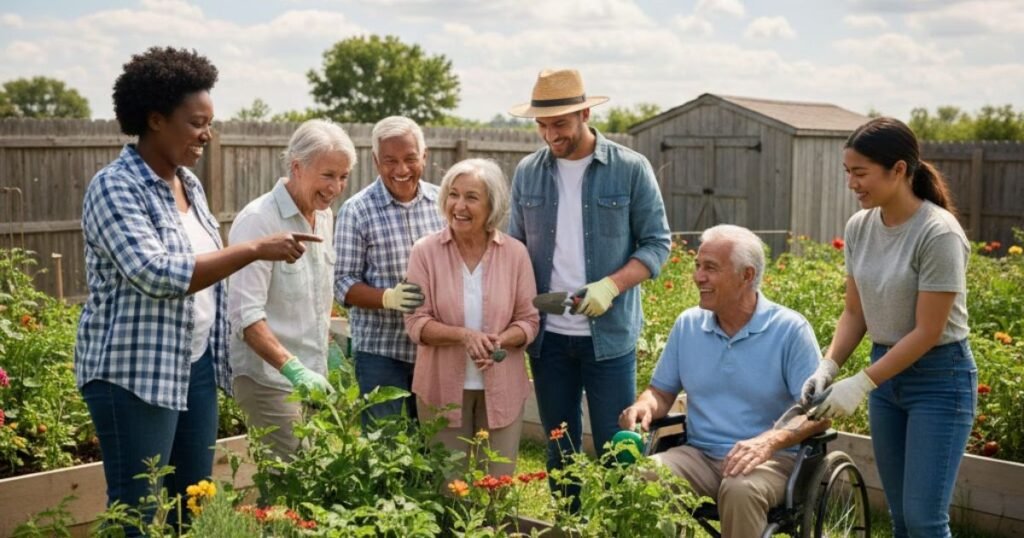
Benefits of Gardening For Seniors
1. Physical Health Benefits
- Keeps Mobility and Strength Up-The most wonderful and healthy thing about gardening activities, such as digging, planting, and weeding, is that it contributes to a flexible muscle strength maintenance.
- Encourages Exercise-Light to moderate physical activity refers to an activity level required to promote cardiovascular health and prevention of chronic diseases.
- Boosts Immunity-Open fresh air and sun lead to increased vitamin D levels that strengthen bones and boost the immune system.
- Joint Health-Entry movements lead to reduced stiffness and pain in the joints due to arthritis.
2. Mental & Emotional Well-Being
- A person reduces stress and anxiety-Something in outdoor living reduces the level of cortisol, making seniors feel relaxed.
- A mood-improvement through gardening makes one less depressed and just happy.
- A brain-kicking educating through plants’ cases and garden planning is a move towards brain-stimulating, and that halts any decline in one’s mind.
3. Social Benefits
- Encourages Community Engagement – Opportunities for social engagement through gardening clubs, community gardens, and local events.
- Places Outside the Home – Sharing gardening experiences creates a bond among family, neighbours, or friends.
4. Nutritional Benefits
- Access to fresh harvest – growing fruits and vegetables ensures a healthy diet and less dependence on processed food topped up with organic produce.
- Healthy food promotion – Food tastes better, which makes superiors eat more fruits and vegetables.
5. Sense of Purpose & Fulfillment
- Forms A Daily Schedule– Taking care of plants gives some structure and responsibility to the daily life.
- Builds Self-Esteem– Watching plants grow and perform brings a sense of achievement.
- Lifelong learning– Senior there ensure delving into gardening techniques and varieties into plants to gratify their minds.
6. Environmental Benefits
- Promotes Sustainability – Growing your own food reduces carbon footprints.
- Improves Air Quality – Plants absorb carbon dioxide and release oxygen and thus provide a good environment.
READ MORE: Free Car Repair for Seniors | Grants, Programs & Assistance
Government and Charity Support
1. USDA People’s Garden Initiative
Under this federal initiative, community gardens are supported, many of which offer free plots and resources for seniors.
2. Department of Local Park and Entertainment
Most local municipalities have community horticulture programs with beds and modified equipment elevated to senior levels.
3. Non-profit like GardenWorks and GreenThumb
Non -profit organizations provide free transplanting, hardware and horticulture lessons for seniors.
Community and Nonprofit Programs
1. Master Gardener
Many state universities conduct Master Gardener programs with free gardening education and volunteer services on behalf of senior citizens. These trained volunteers give advice and workshops and sometimes lend a helping hand.
2. Local cooperative expansion office
These offices are generally of the university and offer free consultation, horticulture workshops and expert advice to older adults.
3. AARP Living Community
AARP program-facilitated program supports community horticulture programs and helps the seniors attain horticulture.
4. Senior center and community garden
Most local seniors centers and community garden clients provide free-off-charge shared equipment, gardens and assistance.
Volunteer and Peer Support Programs
1. Neighbor-to-neighbor
Some local volunteer organizations can match up young gardeners with the older senior who wish to help some with their garden.
2. Religion-based group
Many churches and faith-based charities offer free horticultural ministries to their older members.
3. Nextdoor and Community Social Networks
It often happens that volunteers registered in local social platforms, such as Nextdoor and Facebook community groups, are willing to lend their efforts to help seniors with whatever they may need to make their garden flourish.
READ MORE: Free government money for seniors over 60
Online & Educational Resources for Free Gardening Help
A plethora of free gardening resources are available online to seniors for the purpose of learning and improving their skills:
1. YouTube Gardening Channels
Tutorials are available on the website for activities such as planting, composting, and taking care of the garden.
2. Gardening Websites and Blogs
Gardening websites such as the National Gardening Association and American Horticultural Society provide free gardening guides and gardening advice.
3. University Extension Websites:
Some American universities, for example-USDA Extension Program provide seniors with horticulture evidence-based information.
4. Senior Centers and Local Library:
Access to the books and magazines for elderly with common issues daily need in horticulture as well as free online workshops.
5. Social Media and Gardening Forums
Facebook groups, Reddit forums, and gardening apps connect seniors to expert gardeners and fellow garden enthusiasts.
Accessible Gardening Solutions
Various organizations lend support to seniors wishing to garden independently by providing adaptive tools such as raised beds or ergonomic gardening solutions. Some nonprofits provide funds or donations for adaptive appliances including:
- Raised garden beds take away the need for a lot of bending.
- Lightweight tools with ergonomic grips, which a user can comfortably manipulate.
- Self-watering containers to lessen upkeep burden.
READ MORE: Free Home Repair for Seniors | Grants, Programs & Help Near You
Final Verdict:
Senior can call their local cooperative expansion office, visit local centers, inquire at community gardens, or inquire at non-profit and confidence-based initiative for free horticulture advice. On the internet, the National Gardening Association’s site and the AARP Community Forum are full of valuable resources.
The horticulture experience must still be an enjoyment and must not pay taxes on senior citizens either. With proper assistance, older adults can continue to nurture their love for plants and nature without putting too much strain on their bodies or finances.
FAQs
1. Can seniors get free gardening help?
Yes! Many local nonprofits, community volunteer programs, and senior centers offer free gardening assistance, especially for seniors with limited mobility or low income.
2. Where can seniors find free gardening services?
Seniors can find help through community volunteer groups, local churches, neighborhood associations, and senior centers. National programs or local initiatives often connect volunteers with seniors in need.
3. Are there programs that provide free yard work for seniors?
Yes, certain programs specifically target seniors, offering assistance with planting, mowing, weeding, and general yard maintenance. Faith-based charities and volunteer organizations frequently run these services.
4. How can seniors apply for free gardening help?
Applications usually involve contacting local senior centers, nonprofits, or volunteer programs. Some programs have online forms, while others accept phone calls or in-person requests.
5. Is free gardening help available for seniors with physical limitations?
Absolutely! Many programs focus on seniors who have mobility challenges or health issues, providing volunteers to handle heavy tasks like lifting, pruning, and landscaping.
6. Are there government programs that provide free gardening help for seniors?
Yes. Some local and state programs support seniors with home maintenance, including gardening. These programs often assist low-income or physically limited seniors through community service or aging agencies.
7. Can volunteers help seniors with their gardens for free?
Yes! Volunteer organizations, student groups, and local churches often provide free gardening assistance, helping seniors with tasks like mowing, planting, weeding, and seasonal yard cleanup.
8. How can seniors find free gardening help near me?
Check with local senior centers, community centers, libraries, and nonprofits. Searching online for “free gardening help for seniors near me” along with your city or zip code usually brings up programs currently available.
9. What kind of gardening tasks do free programs help seniors with?
Volunteers typically assist with mowing, planting flowers or vegetables, pruning bushes, weeding, leaf cleanup, and other light landscaping tasks that may be difficult for seniors to manage alone.
10. Do seniors need to qualify for free gardening help?
Some programs require eligibility based on age, income, or physical limitations, while others provide assistance to any senior in need, depending on volunteer availability.