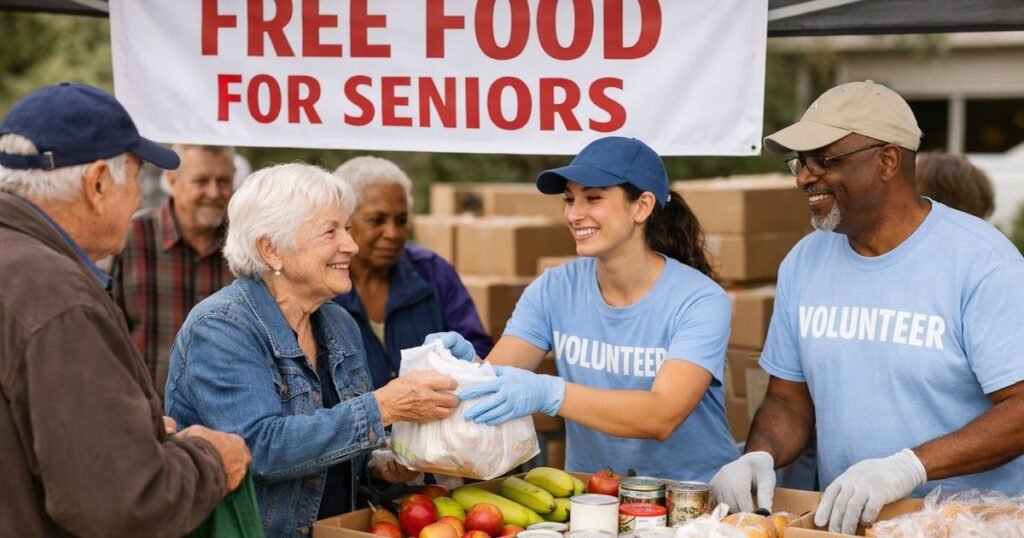
Above everything else, seniors rely on healthy sources of nutrition to keep them healthy, as they age. The majority of which includes difficulty ensuring that older adults are provided with such facilities because of the lack of means to acquire proper nutrition mobility constraints and other barriers. Luckily, states across the U.S. provide many government and nonprofit programs through which free food is shared among the senior population.
Government Assistance Programs
1. Supplemental Nutrition Assistance Program (SNAP formerly known as Food Stamps)
SNAP was created to provide income to needy people, especially senior citizens, who are assisted in buying food. Elderly beneficiaries receive benefit payments electronically through an Electronic Benefits Transfer (EBT) card, which may be used at supermarkets, farmers’ markets, and some meal programs. Most states have adopted simplified application processes specific to seniors so that those aged “old and sick” could have a better time getting benefits.
Eligibility & Applying Process: SNAP benefits allow individuals to afford food at nearly 250,000 participating grocery stores and other retailers across the country. SNAP eligibility requires applicants to satisfy detailed income and asset level requirements that are tied to the federal poverty level (FPL) and updated annually.
In just most States in 2024, a household size of two people can gross $2,137 a month of income and potentially qualify for SNAP. In fact, households will include other members who are at least 60 years of age (or disabled) and have assets not able to be counted for as high as $4,250, cash, bank account money, and certain vehicles.
People can apply online through state SNAP websites or in person at local offices of social services. Getting services from these organizations will also be through the senior advocate organizations.
READ MORE: Free government money for seniors over 60
2. Meals on Wheels
Meals on Wheels is among the most instantly recognizable organizations offering free or low-cost meal delivery for homebound seniors, with a network of over 5,000 programs. Each program has different ways of preparing and delivering nutritious meals into the hands of those not able to cook or shop for themselves, thus ensuring the seniors receive proper nutrition every day and have social interaction.
Eligibility & Applying Process: Above all, eligibility criteria are based basically on chronological age (60+ years) along with an inability to prepare one’s own meals. Seniors or their caregivers may apply through local chapters of ‘Meals on Wheels,’ that can be tracked down online as well as via local senior service agencies.
3. Commodity Supplemental Food Program (CSFP)
CSFP is basically a federal program granting low-income seniors 60 years of age and over with nutritious packaged food. Typical contents of the food package may include staple fruits and vegetables canned, dairy products, cereals, or sources of protein. Food banks, local agencies, and community organizations typically distribute all of these.
Eligibility & Applying Process: The applicants must be 60 years or older. Their income must fall below the income guidelines set by the USDA. Applications are available at local food banks, senior centers, or through departments of health for their states.
4. Senior Farmers’ Market Nutrition Program (SFMNP)
This program also helps seniors. With the vouchers, seniors can go to farmers’ markets or roadside stands to buy fresh fruits, vegetables, and herbs grown close to home.
Eligibility and Application Procedure: You must be 60 years old and income eligible. Application processes vary; most are processed through state departments of agriculture, centers for senior citizens, and local farmers’ market programs.
5. The Emergency Food Assistance Program (TEFAP)
The TEFAP is the Emergency Food Assistance Program for the delivery of free food to low-income individuals and families who are in the need for such services. It is a federal program administered by the USDA and distributed through state agencies.
TEFAP supplies food into food banks, soup kitchens and other shelters, as those are eligible ones that give it out to individuals. TEFAP does not provide any money for purchasing food; it collects staple items from canned vegetables and fruits, meat products, pasta and milk (in powdered or liquid form). Generally speaking, eligibility for this program is based on an income level; there are some instances where an individual may need to prove their financial hardship to access that TEFAP provides.
Eligibility and Application Procedure: TEFAP eligibility determination is based on income, usually up to 185% of the federal poverty level, although the specifications change with each state. Some states grant automatic eligibility to anyone on SNAP, SSI, or any other form of public assistance with no asset limits imposed. Food banks, pantries, and meal programs distribute food, not an application process per se. To apply, individuals can contact either their state or local food banks, check the USDA’s Food and Nutrition Service website, or visit any participating site along with proof of income, if required, to find a local TEFAP distributor.
READ MORE: Free Government Phone for Seniors | Eligibility & How to Apply
6. Area Agencies on Aging
Area Agencies on Aging (AAAs) are government-set up organizations that provide an array of services to seniors aged 60 and over, including food assistance. AAAs operate on both state and local levels under the Older Americans Act (OAA) and receive federal funding.
Through AAAs, food assistance is provided to older persons in accessing nutritious meals by providing programs such as:
Congregate Meals – free or low-cost meals at senior centers, community centers, or churches.
Home-Delivered Meals (Meals on Wheels) – for homebound seniors in need of food assistance.
SNAP Application Assistance – helping seniors to apply for SNAP benefits.
To find AAA services in your local area, people may visit the Eldercare Locator website or call their state’s aging agency.
7. Get food assistance through Medicare
Medicare flex cards may be issued if you have Medicare Advantage (Part C) insurance. The card is a benefit provided by certain insurers, not by the government. This card is like a food allowance card for seniors, which is also used for paying utility bills, transportation to medical appointments, and more. Flex cards are not offered by all Medicare Advantage insurance plans.
If you now have a Medicare Advantage plan, call your insurance company to find out whether or not they issue flex cards.
Community and Nonprofit Programs
1. Local Food Banks and Pantries
Many food banks and community pantries provide free food to needy seniors. Organizations such as Feeding America work with local agencies to distribute food and prepared meals to seniors at risk of hunger.
Eligibility & How to Apply: Most food banks will serve anyone in need, and some may require income verification. Online directories and social organizations can also help seniors find local food banks.
2. Congregate Meal Programs
These are meal programs offered free or at little cost to seniors in group settings like senior centers, churches, and community centers. Congregate meals are opportunities for the elderly to nourish themselves and socialize with one another, minimizing isolation or loneliness.
Eligibility & How To Apply: Generally, seniors aged 60 and above can qualify for the program, regardless of their income. Registration for participation may be required at senior centers, churches, or community centers in the locality that provide the service.
3. Soup Kitchens & Meal Programs
People struggling with food insecurity, be they the homeless, the underprivileged, or the elderly, can eat nutritious warm meals free of charge at the soup kitchens and meal programs. These programs are run predominantly by nonprofit organizations, religious groups, and community organizations and function as outreach stations from churches, shelters, and community centers.
Eligibility & Application Process: Most soup kitchens do not have any formal eligibility requirements or applications—any person in need can just walk in at serving times. Some meal programs might want proof of age, disability, or income, particularly if they are intended for seniors or homebound. Lonely Lifeliners are advised to call the United Way (211) or check with local food banks or other neighborhood support services for a nearby soup kitchen.
4. Community Gardens & Urban Farms
Community Gardens and Urban Farms supply fresh, locally grown produce to low-income individuals and families while promoting sustainable agriculture. Typically run by nonprofit organizations, local governments, or neighborhood group initiatives, programs allow participants to either grow their food or obtain fresh produce for free or at very low cost.
Eligibility & Participation: Many community gardens are open, while some require that the participant either live in the area or pay a small membership fee. Urban farms may offer free distributions of foods or work-exchange programs. Checking with local nonprofits, city parks departments, or food justice organizations will help anyone find community gardens near them.
5. Religious and Charitable Organizations
Most of the churches, synagogues, mosques, and other religious organizations also organize food assistance programs specifically designed for senior citizens. Various charitable organizations like the Salvation Army and Catholic Charities provide meal services as well as food pantries to offer relief in meals for needy senior citizens.
Eligibility Criteria and Application Process: Most religious places offer food assistance without imposing strong eligibility criteria. Seniors can ask local religious institutions about this program directly or visit their websites to know more.
Assistance seekers could contact United Way’s 211 service, visit the websites of food banks, or even just ask some community centers and religious institutions.
READ MORE: Free Home Repair for Seniors | Grants, Programs & Help Near You
How Seniors Can Access Free Food Assistance
Eligibility Check: It is advised that senior citizens check the qualifications for federal programs such as SNAP, CSFP, and SFMNP.
Local Agencies: There are food assistance programs available through local senior centers, social service agencies, and non-profit organizations to assist seniors in applying for these programs.
Use the Web: Benefits.gov, Feeding America, and Meals on Wheels America can help seniors find food assistance programs available in their ZIP code.
Ask for Help: Family members, caregivers, and community volunteers can support seniors in applying for food assistance programs available to them.
Final Verdict:
Getting access to good food is a necessity even among seniors who are often face some health or financial problems. Luckily, there are government programs, nonprofits, and community initiatives that provide free food assistance to help the elderly in the USA. Under these resources, noteworthy elderly people can live healthy lives, improve their quality of life, and help reduce food insecurity.
FAQs
What free food for seniors programs are available?
Free food for seniors is commonly offered through Meals on Wheels (home-delivered meals), congregate meal sites at senior centers, food banks and pantries, the Commodity Supplemental Food Program (CSFP) in the U.S., faith-based/community meal programs, and occasional local emergency or holiday distributions.
How can low-income seniors apply for free food for seniors programs?
Start by calling your local Area Agency on Aging or dialing 2-1-1 to locate programs. Many providers require a short application or registration and basic documents (photo ID, proof of age, proof of income/residency). You can also apply for SNAP benefits online or by phone to get grocery assistance in addition to free food programs.
Are there free home-delivered meal options for homebound seniors?
Yes — free home-delivered meals for seniors are available through Meals on Wheels affiliates and local aging services for homebound or mobility-limited seniors. Contact your Area Agency on Aging or local senior services to request an intake assessment and arrange regular deliveries.
Can seniors get free groceries from food banks and pantries?
Absolutely. Food banks and pantries frequently have senior-focused distributions, mobile pantries, or senior boxes (like CSFP in the U.S.). Seniors usually register once with the pantry, show ID, and receive scheduled grocery pick-ups or deliveries based on local availability.
Where do I find free food for seniors during emergencies or holidays?
During emergencies or holidays, free food for seniors is often provided by local food banks, faith-based groups, community centers, and municipal emergency assistance programs. Check with 2-1-1, your Area Agency on Aging, or local nonprofit websites for up-to-date pop-up distributions and sign-ups.