In recent years, wearable health technology has undergone a massive transformation, shifting from complex tech gadgets for athletes into invaluable wellness partners for older adults. Today, finding the best health tracking smartwatch for seniors is one of the most proactive steps you or your loved ones can take toward maintaining independent living and ensuring long-term peace of mind.
Seniors and their caregivers want one thing above all: confidence. In 2026, the best health tracking smartwatch for senior models do more than count steps; they offer clinically validated ECGs, blood oxygen (SpO2) monitoring, automatic fall detection, and emergency calling. This guide cuts through the noise and compares eight top models by safety features, ease of use for older wrists and eyes, battery life, and real U.S. prices so you can pick the right watch with confidence. Let’s deep dive into “Best Health Tracking Smartwatch for Seniors 2026 — Top 8 Picks Compared.”
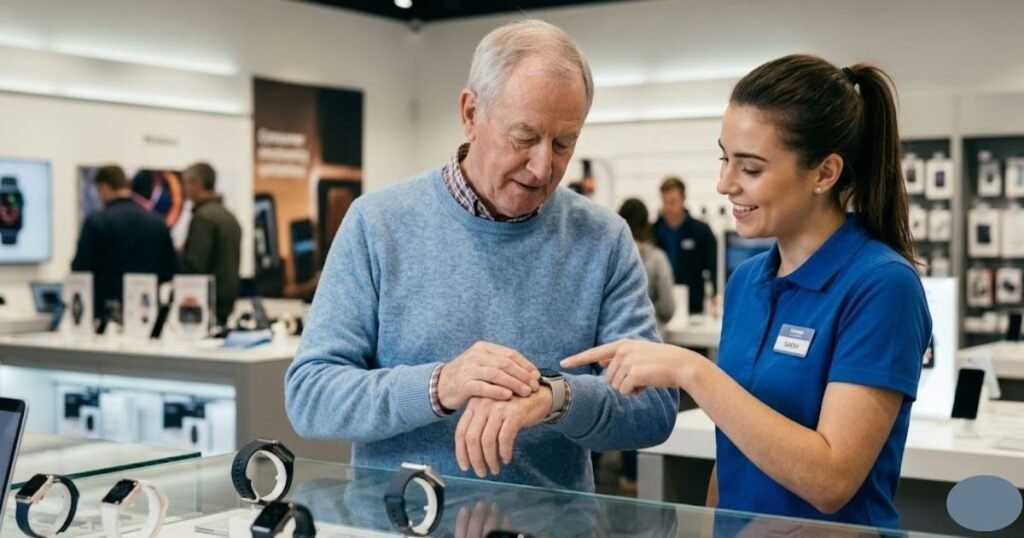
Why Seniors Should Use a Health Tracking Smartwatch
A dedicated health monitoring smartwatch offers far more than just a convenient way to tell time or view text messages. It serves as a continuous companion that helps older adults build healthier daily habits while providing a crucial safety net.
Here are the primary benefits that make these wearable devices an excellent investment for seniors:
- Continuous Heart-Rate Monitoring: The watch continuously tracks your heart rate throughout the day and night, immediately alerting you if your pulse goes unusually high or low while you are resting.
- Automatic Fall Detection: Advanced built-in sensors can detect the sudden acceleration and impact of a hard fall. If you are unresponsive, the watch can automatically notify emergency services and your designated emergency contacts.
- Emergency SOS & GPS Location Sharing: With a simple press and hold of a button, you can instantly call for help. The watch transmits your precise live GPS coordinates to dispatchers or family members, which is incredibly helpful if you get lost or need immediate medical attention.
- Sleep Tracking & Quality Analysis: Wearable devices track your sleep cycles (light, deep, and REM sleep), helping you identify patterns or disturbances that might affect your daily energy levels and long-term cognitive health.
- Medication Reminders: You can configure subtle on-wrist vibrations and screen alerts to ensure you never miss a critical daily prescription dose or health check.
- Daily Step Counting & Gentle Activity Reminders: Instead of intimidating gym metrics, these devices encourage simple, consistent movement by tracking daily steps and prompting you to stand up and stretch if you have been sitting too long.
- Family Peace of Mind: Many modern companion smartphone apps allow caregivers or adult children to view shared daily health trends, step counts, and safety alerts remotely, drastically reducing everyday anxiety.
How We Chose the Best Smartwatches
To compile this definitive list of top recommendations, we evaluated dozens of devices against the specific everyday realities of older adults. We know that a feature is only useful if it is easy to access and comfortable to wear.
Our core evaluation criteria focused heavily on the following aspects:
- Health Sensors & Medical Clearances: We prioritized devices equipped with highly accurate sensors, giving extra weight to watches that possess FDA-cleared features for detecting conditions like irregular heart rhythms.
- Ease of Use & Software Simplicity: We looked for intuitive interfaces, straightforward menus, and clear layouts that do not require an advanced degree in computer science to navigate.
- Display Readability: A bright, high-contrast, large display that can accommodate enlarged text sizes is absolutely mandatory for seniors dealing with age-related vision changes.
- Battery Life Reliability: We assessed how long the device lasts on a single charge under normal operation, highlighting watches that require less frequent charging to minimize user maintenance.
- Everyday Comfort: Weight, skin-friendly materials, and strap style play a major role in whether an older adult will actually wear the watch consistently, including while sleeping.
- Smartphone Compatibility: We checked how well each device integrates with iOS and Android ecosystems to prevent frustrating pairing issues down the line.
- Emergency Safety Infrastructure: Devices earned higher rankings if they featured robust emergency calling capabilities, seamless cellular connectivity options, and highly responsive fall detection algorithms.
- Overall Value: We weighed the upfront hardware price against ongoing monthly subscriptions (if any) to ensure you receive genuine, long-term value for your money.
READ MORE: Best Medical Alert Systems for Seniors | Top Picks & Reviews
Best Health Tracking Smartwatch for Seniors 2026 — Top 8 Picks Compared
1. Apple Watch Series 11 — The Safety Gold Standard
The Apple Watch Series 11 continues to lead the market in life-saving technology. Its fall detection is widely considered the industry benchmark, capable of distinguishing between a hard fall and a sudden movement. If a senior is unresponsive for 60 seconds after a fall, the watch automatically calls emergency services and notifies pre-set emergency contacts with a GPS location.
- Top Health Features: FDA-cleared ECG app, irregular heart rhythm notifications (AFib), blood oxygen monitoring, and new advanced sensors for respiratory rate.
- Pros: Seamless iPhone integration, best-in-class emergency SOS, highly readable 42mm/45mm displays.
- Cons: Requires an iPhone to set up; battery life still requires daily charging (~24 hours).
- Price: $399 MSRP for 42mm GPS (Price as of March 2026). Recent deals at retailers like Best Buy have seen this drop to $299.
Senior Setup Tip:
- Open the Watch App on the iPhone.
- Go to Emergency SOS.
- Ensure Fall Detection is toggled to “Always On.”
- Add your primary caregiver as an Emergency Contact in the Health app.
Verdict: The absolute best choice for seniors who already use an iPhone and want the most reliable fall detection system.See Today’s Discount (Before it goes up)-
![Apple Watch Series 11 [GPS 42mm] Smartwatch with Jet Black Alumin...](https://m.media-amazon.com/images/I/41s72HIk5TL._AC_.jpg)
2. Amazfit Balance 2 — Best Value with a Large Screen
The Amazfit Balance 2 offers a massive 47mm display, making it one of the easiest watches to read for those with declining vision. Unlike Apple or Samsung, the Balance 2 can last up to two weeks on a single charge, which is vital for seniors who might forget a nightly charging routine. It uses Zepp OS, which is compatible with both Android and iPhone.
- Top Health Features: Dual-band GPS for accurate location, heart rate monitoring, SpO2, and a unique “Readiness Score” that tells the wearer if they should rest or be active.
- Pros: Incredible 14-day battery life, very lightweight, budget-friendly price point for the features offered.
- Cons: Fewer medical-grade clinical validations compared to Apple; the app ecosystem is smaller.
- Price: $299.99 (Manufacturer U.S. listing as of March 2026).
Senior Setup Tip:
- Download the Zepp App.
- Go to Watch Settings > Display > Font Size and set to “Large.”
- Enable “Morning Updates” to get a summary of sleep and heart health every day upon waking.
Verdict: An excellent choice for seniors who want a large, readable screen and hate charging their watch every day. Check Below-

3. Samsung Galaxy Watch 8 — Best for Android Users
The Galaxy Watch 8 is sleek and comfortable, available in a 40mm size that fits smaller wrists well. It features Samsung’s “BioActive Sensor,” which combines three powerful health sensors into one chip. This allows for quick ECG readings and “Sleep Coaching,” which provides actionable tips to improve rest—a common concern for the elderly.
- Top Health Features: ECG monitoring, body composition analysis, sleep apnea detection (where available/cleared), and continuous heart rate tracking.
- Pros: Crisp AMOLED screen, very comfortable bands, excellent microphone for taking calls on the wrist.
- Cons: Some premium health features require a Samsung Galaxy smartphone; battery life is typically 1.5 to 2 days.
- Price: $349.99 for 40mm (Samsung U.S. listing as of March 2026).
Senior Setup Tip:
- Open Samsung Health Monitor on the watch to calibrate the ECG.
- Go to Settings > Safety and Emergency > Hard Fall Detection and turn it on.
- Set the “Press Side Key” shortcut to call a family member immediately.
Verdict: The top all-around health watch for seniors in the Samsung ecosystem, offering deep insights into sleep and heart health. Check Below-

4. Withings ScanWatch 2 — The Best Medical-Style Hybrid
The ScanWatch 2 looks like a traditional analog timepiece with moving hands, but it hides a small digital screen for health data. It is widely praised by doctors because Withings focuses heavily on clinical validation. It can perform a medical-grade 1-lead ECG and monitor baseline body temperature shifts, which can be an early indicator of illness.
- Top Health Features: 1-lead ECG, SpO2, 24/7 temperature tracking, and respiratory scan.
- Pros: 30-day battery life, elegant stainless steel design, very simple interface.
- Cons: The small digital inset can be hard to read for some; no GPS for independent walking maps.
- Price: $369.95 (Withings U.S. price as of March 2026).
Senior Setup Tip:
- Use the Withings App to set up “Notifications.”
- Enable “High/Low Heart Rate Alerts” to be notified if the pulse goes outside a safe range.
- Use the side crown to scroll through features—it’s easier for arthritic fingers than swiping a screen.
Verdict: Perfect for seniors who want a “real watch” look with professional-grade health monitoring and a month-long battery. Check Below-

5. Garmin vívoactive® 6 — Best for the Active Senior
Garmin is famous for accuracy, and the vívoactive 6 is no exception. Its standout feature for seniors is the “Body Battery,” which uses heart rate variability to show how much energy the wearer has left for the day. This helps prevent overexertion. It also has a bright AMOLED screen that is easy to read even in direct sunlight.
- Top Health Features: Body Battery energy monitoring, advanced sleep scores, hydration tracking, and pulse oximeter (SpO2).
- Pros: Very durable, 11-day battery life, works perfectly with both iPhone and Android.
- Cons: Fall detection requires a connected phone nearby; ECG features are more limited than Apple/Samsung.
- Price: ~$299.99 (Major U.S. retailers as of March 2026).
Senior Setup Tip:
- In Garmin Connect, set up “Incident Detection.”
- Add up to three emergency contacts who will receive a text and email if the watch senses an impact.
- Customize the “Watch Face” to show the date and heart rate in the largest possible font.
Verdict: A rugged, reliable choice for seniors who enjoy walking, golf, or swimming and want to track their energy levels. Check Below-

6. CARBINOX Blaze — Best Rugged & Budget Choice
The CARBINOX Blaze is built to military standards (IP69K). It is virtually indestructible and can withstand water, dust, and high-impact drops. While it lacks the medical-grade ECG of the Apple Watch, it provides the basics—heart rate and blood oxygen—at a fraction of the cost.
- Top Health Features: 24/7 heart rate, SpO2, and basic sleep tracking.
- Pros: Extremely low price, nearly unbreakable, very loud speaker for phone calls.
- Cons: No FDA-cleared ECG; the software is less polished than major brands.
- Price: $139.95 (Typical sale price as of March 2026).
Senior Setup Tip:
- Ensure the Da Fit app is allowed to run in the background on your phone to keep the connection stable.
- Turn the Brightness to maximum in the watch settings for outdoor visibility.
Verdict: A “tank” of a watch for seniors who do manual work, gardening, or are prone to bumping their watch against furniture. Check Below-

7. Google Pixel Watch 4 — Best for Google/Fitbit Fans
The Pixel Watch 4 (especially the 45mm version) features a beautiful domed glass display that is very responsive. It integrates the entire Fitbit health suite, which many seniors find more user-friendly than other health apps. It also has some of the best voice-to-text capabilities, allowing seniors to reply to messages simply by speaking.
- Top Health Features: Fitbit heart rate tracking, ECG app, irregular rhythm notifications, and “Daily Readiness” scores.
- Pros: Beautiful design, great integration with Google Maps and Calendar, highly accurate heart rate sensor.
- Cons: Glass dome is more prone to scratches; battery life usually requires a daily charge.
- Price: $449.99 MSRP (Price as of March 2026; look for carrier bundles from Verizon/AT&T).
Senior Setup Tip:
- Log in with a Google Account to sync Fitbit data.
- Enable Google Assistant so the senior can say “Hey Google, call my daughter” in an emergency.
- Check the Safety Signal feature (if subscribed) which allows for emergency calls even without a phone plan.
Verdict: A premium, stylish option for seniors who want the best of Google’s assistant and Fitbit’s famous health tracking. Check Below-
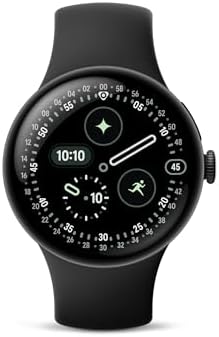
8. Fitbit Versa 4 — Best for Simple, No-Fuss Tracking
The Fitbit Versa 4 is thin, light, and focuses on the essentials. It doesn’t have a million apps to get lost in. Instead, it provides a clear view of steps, heart rate, and sleep quality. It’s an excellent choice for elderly users who are intimidated by more complex technology.
- Top Health Features: Continuous heart rate, sleep profile (monthly analysis), SpO2, and stress management scores.
- Pros: Very comfortable for sleeping, simple one-button navigation, 6+ day battery life.
- Cons: No ECG feature; very limited “smart” features (cannot take calls directly on the watch without a phone).
- Price: $199.95 (Fitbit/Google Store price as of March 2026).
Senior Setup Tip:
- Tap the Profile Icon in the Fitbit app.
- Go to Activity & Wellness > Heart Settings to turn on “High/Low Heart Rate Notifications.”
- Set a “Step Goal” that is realistic for the senior to encourage daily movement.
Verdict: The best entry-level smartwatch for seniors 2026 who want basic health data without a complicated interface. Check Below-

Top Smartwatches for Seniors (2026) Comparison Table
If you are in a hurry to find a smartwatch for seniors 2026, use this quick-reference table for the top-rated models currently available in the U.S.
| Product (case size) | Key health features | Typical US price (Mar 3, 2026) | Battery | Notes (OS / compatibility) |
| Apple Watch Series 11 — GPS (42mm) | ECG, irregular rhythm alerts, fall detection, advanced heart sensors | $399 MSRP (42mm GPS) — deals near $299. (price as of Mar 3, 2026). | ~24 hrs (daily) | Best with iPhone for full features; LTE options exist. |
| Amazfit Balance 2 — 47mm | Heart rate, SpO₂, dual-band GPS, long battery | $299.99 (manufacturer US listing). (price as of Mar 3, 2026). | Up to 21 days (mixed use) | Android + iOS support; great screen size. |
| Samsung Galaxy Watch 8 (40mm) | ECG, sleep coaching, fall detection | $349.99 (40mm). (price as of Mar 3, 2026). | 1–2 days | Best with Samsung/Android for full experience; Wear OS. |
| Garmin vívoactive® 6 (42mm) | Continuous HR, GPS, Body Battery, advanced fitness metrics | ~$299.99 (retailer). (price as of Mar 3, 2026). | Up to 11 days | Superb battery/fitness data; less focus on ECG/fall-detection. |
| Withings ScanWatch 2 (38/42mm) | 1-lead ECG, SpO₂, temperature, hybrid analog look | $369.95 (Withings US). (price as of Mar 3, 2026). | Days–weeks (hybrid) | Clinically focused sensors, long battery; minimal smart features. |
| CARBINOX Blaze | Rugged (IP69K), GPS, large display, 170+ sports modes | $139.95 (sale/retailer). (price as of Mar 3, 2026). | Up to 14 days (claimed) | Budget-rugged choice; fewer clinical validations. |
| Google Pixel Watch 4 (45mm) | ECG, Fitbit health integration, HR, SpO₂ | $449.99 MSRP (retailer prices vary). (price as of Mar 3, 2026). | ~30–40 hrs | Best Pixel/Android integration; Fitbit-backed health data. |
| Fitbit Versa 4 | Daily Readiness, HR, GPS, sleep & stress tracking | $199.95 (typical). (price as of Mar 3, 2026). | ~6 days | Great sleep insights, simple UI; no ECG or automatic fall-calling. |
READ MORE: Best Smart TV for Seniors in 2026: Easy to Use & Large Screen Picks
Essential Health Features Seniors Should Look For
When shopping for an easy-to-use smartwatch for elderly parents or yourself, it helps to understand exactly what these technical features do in plain English.
Here is a breakdown of the most critical health and safety features available in 2026:
1. Heart-Rate Monitoring and Irregular Rhythm Notifications
At its core, a smartwatch uses tiny green lights on the back of the case to track how fast your heart is beating throughout the day. Beyond simple counting, premium watches can quietly analyze the spacing between beats. If the watch detects an irregular rhythm that looks like Atrial Fibrillation (AFib) a common heart condition characterized by an irregular and often rapid heart rate it will send an alert so you can consult your doctor.
2. Electrocardiogram (ECG)
An ECG smartwatch for seniors allows you to take an on-demand reading of your heart’s electrical activity. By placing your finger on the watch’s crown or button for 30 seconds, the device generates a waveform graph of your heart rhythm. This data can be downloaded as a PDF report to share directly with your cardiologist during your next checkup.
3. Blood Oxygen Saturation (SpO₂)
A smartwatch with a blood oxygen monitor measures the percentage of oxygen traveling in your red blood cells. This metric is incredibly helpful for older adults managing chronic respiratory conditions like COPD, asthma, or sleep apnea, providing a helpful baseline reading of how well your lungs are functioning during rest.
4. Sleep Tracking and Architecture Analysis
Good health relies heavily on restorative rest. Modern senior health tracking wearables monitor your movement and heart rate variability overnight to map out how much time you spend in light sleep, deep sleep, and REM cycles. The companion apps translate this complex data into an easy-to-understand daily sleep score.
5. Automatic Fall Detection and Emergency SOS
This is arguably the most important safety feature for older adults living independently. Using internal sensors called accelerometers and gyroscopes, the watch can identify the distinct signature of a hard physical fall. If the device detects a sudden impact followed by a full minute of zero movement, it initiates a loud countdown alarm. If you do not dismiss the alarm, the watch automatically dials emergency services and sends text alerts with your real-time GPS coordinates to your family.
Hard Fall Detected ➔ 60-Second Countdown & Loud Alarm➔ [No Response From User ➔ Emergency Call Dialed + Live GPS Sent to Family
6. Medication and Hydration Reminders
Instead of relying on easily misplaced paper checklists or loud kitchen timers, seniors can configure custom, silent vibration alerts on their wrist. These reminders prompt them to take specific prescriptions at precise times throughout the day, or to drink a glass of water to avoid dehydration.
READ MORE: 10 Best Hearing Aids in 2026 | Reviews, Prices & Buyer Guide
Features Seniors Don’t Really Need
When comparing options, it is easy to get swept up in fancy features that drive up the price tag but add zero value to an older adult’s daily routine.
Save your money and ignore these excessive extras:
- Advanced Athletic Performance Metrics: Metrics like VO2 Max, training load adjustments, and multi-sport triathlon tracking are designed for competitive athletes, not everyday health maintenance.
- Wrist-Based Gaming: Tiny, complicated games on a watch screen drain the battery quickly and are incredibly frustrating to navigate.
- Complex Custom App Ecosystems: Having hundreds of third-party apps on your wrist sounds impressive, but it usually just results in cluttered menus and confusing accidental button presses.
- Intricate Custom Complications: Avoid devices that force you to navigate deeply layered menus just to change a clock face or adjust standard settings.
Smartwatch vs. Medical Alert Device
A very common dilemma faced by family members is deciding between a standard commercial health tracking smartwatch and a traditional, dedicated medical alert device. Both options offer great utility, but they serve fundamentally different needs.
| Feature / Capability | Consumer Smartwatch (Apple, Samsung, Garmin) | Dedicated Medical Alert Watch (Medical Guardian) |
| Upfront Hardware Cost | Moderate to High ($150 – $499) | Low to Moderate ($99 – $199) |
| Ongoing Monthly Fees | None (unless adding a separate cellular plan) | Mandatory ($35 – $55 every month) |
| Emergency Response | Dials local 911 directly | Connects to a private, trained dispatch center |
| Automatic Fall Detection | Highly advanced, built-in on top models | Often requires a specific monthly add-on fee |
| Battery Maintenance | High maintenance (requires daily or weekly charging) | Low maintenance (often lasts several days) |
| General Health Metrics | Extensive (ECG, Sleep tracking, Step counters) | Minimal (usually limited to a basic step counter) |
| Smartphone Requirement | Almost always requires a paired smartphone | Fully independent; operates via built-in cellular |
Which Option is Best for You?
- Choose a Consumer Smartwatch if: You are relatively active, comfortable with basic smartphone technology, want to closely monitor daily wellness metrics like sleep and heart rhythms, and want a stylish device without a mandatory monthly bill.
- Choose a Monitored Medical Alert Watch if: Safety is your absolute, single highest priority, you experience frequent dizziness or significant balance issues, you do not want to deal with smartphones, and you want the absolute certainty of speaking to a live, professional operator during an emergency.
Buying & Setup Guide: Getting It Right the First Time
Before you click “buy,” consider these logistical points that often trip up seniors and their families:
- Phone Compatibility: Does the senior have an iPhone or Android? An Apple Watch cannot be used with an Android phone. Samsung and Pixel watches work best with their respective brands.
- LTE vs. Bluetooth: A “Bluetooth” watch must be within 30 feet of the phone to make calls. An “LTE” (Cellular) watch has its own connection and can call 911 even if the senior leaves their phone at home. LTE versions usually cost $50–$100 more and require a ~$10/month carrier fee.
- HSA/FSA Eligibility: Many smartwatches with ECG features are now eligible for purchase using Health Savings Account (HSA) or Flexible Spending Account (FSA) funds. Check with your provider, as this can save you 20-30% in taxes.
- The “Strap” Factor: Many seniors struggle with traditional buckle straps due to arthritis. Look for “Velcro” or “Magnetic” loop bands that are easier to put on with one hand.
Common Mistakes When Buying a Smartwatch
Avoid these frequent pitfalls to ensure your investment does not end up sitting forgotten in a drawer:
- Buying an Incompatible Device: Always double-check smartphone operating systems. Buying an Apple Watch for a parent who uses a Samsung phone—or vice versa—results in a device that cannot even be activated.
- Underestimating Battery Life Hassle: If a senior struggles with fine motor skills or memory lapses, a watch that requires daily charging can quickly become an exhausting chore. A long battery life option like Garmin or Fitbit might be a far better practical choice.
- Forgetting LTE Cellular Plan Requirements: If you want the watch to make emergency calls and share GPS locations while the senior is out walking without carrying their smartphone along, you must buy the more expensive LTE/Cellular hardware version and add a line to your wireless phone plan (usually $10 to $15 per month).
- Overpaying for Unnecessary Styles: Do not pay a massive premium for high-end titanium finishes or designer leather straps unless the user genuinely wants them. Standard aluminum cases and soft silicone bands are lighter, highly durable, and much easier to clean.
Tips to Get the Most Accurate Health Readings
Consumer smartwatches are incredibly smart, but they rely on clean contact with your skin to gather accurate information.
Use these simple tips to ensure you get the best data possible:
- Achieve the Correct Fit: The watch band should be snug but perfectly comfortable. If the watch is too loose and slides around on the wrist, the optical light sensors cannot consistently read your pulse or blood oxygen levels.
- Wear it Above the Wrist Bone: Place the watch about one finger-width above your prominent wrist bone. This positions the sensors over thicker, more consistent blood vessels for much cleaner data collection.
- Keep the Back Sensor Clean: Sweat, body lotions, and dead skin cells can slowly build up on the glass underside of the watch over time, blocking the light sensors. Wipe the back of the watch case weekly with a soft, damp microfiber cloth.
- Understand Technical Limitations: Always keep in mind that consumer smartwatches are excellent tools for identifying broad, long-term health trends, but they are not medical-grade diagnostic equipment.
Which smartwatch is best for seniors with heart conditions?
For seniors managing heart health, prioritize devices with FDA-cleared ECGs and irregular rhythm alerts, such as the Apple Watch Series 11 or the Withings ScanWatch 2. These watches can detect Atrial Fibrillation (AFib), a common cause of stroke.
Do smartwatches detect falls and call 911 automatically?
Yes, but only if the feature is enabled. The Apple Watch and Samsung Galaxy Watch have the most reliable automatic fall detection. If a hard fall is detected and the user is motionless for about a minute, the watch will countdown, sound a loud alarm, and then call 911.
Which smartwatch has the best battery life for seniors who forget to charge?
If daily charging is a burden, the Withings ScanWatch 2 is the winner with up to 30 days of life. For a full-screen smartwatch, the Amazfit Balance 2 offers a strong 14-day battery.
Will these smartwatches work with my parent’s phone?
Apple Watch requires an iPhone 8 or later. Samsung Galaxy Watches work best with Samsung phones but can work with most Androids. Fitbit, Garmin, and Withings are “platform agnostic,” meaning they work equally well on both iPhone and Android.
Are smartwatches HIPAA-compliant or suitable for medical monitoring?
While many features are FDA-cleared, consumer smartwatches are not officially HIPAA-compliant medical devices. They are designed for “wellness and information.” They should supplement, not replace, professional medical equipment or caregiver supervision. They are especially useful for tracking trends over time rather than single data points.
READ MORE: Salvation Army Free Car Program (Eligibility & How to Apply)
Final Recommendation: Which One Should You Buy?
Choosing the best health tracking smartwatch for senior 2026 depends on the user’s tech comfort and their phone:
- The “Safety-First” Senior: Get the Apple Watch Series 11 (LTE). It has the most reliable safety net.
- The “I Want a Real Watch” Senior: Go with the Withings ScanWatch 2. It looks beautiful and tracks the heart with medical precision.
- The “Tech-Savvy Android” Senior: The Samsung Galaxy Watch 8 offers the best health ecosystem.
- The “I Hate Charging” Senior: The Amazfit Balance 2 or CARBINOX Blaze will serve them best.